Yes, you need a power plug travel adapter for sockets type A in Japan if your devices use three-prong plugs. Landing in Tokyo only to realize your laptop charger won’t fit the wall outlet is a common frustration for modern travelers. This mismatch can leave you stranded without navigation or communication tools in a foreign land. Carrying a versatile adapter ensures your electronics remain powered throughout your journey across the archipelago.
Do I need a japan power adapter for Type A sockets?
You will definitely need a japan power adapter if your electronic devices feature a grounded three-prong plug. While Japan uses the same physical Type A and Type B shapes as North America, many Japanese buildings only provide Type A sockets which lack the grounding hole. Without an adapter, you will be unable to plug in standard US laptop chargers or high-powered appliances.
Most travelers find that while their two-prong phone chargers work fine, their larger gear is completely incompatible. This discrepancy creates a significant hurdle for business travelers and digital nomads. It is always safer to pack a dedicated solution rather than relying on hotel availability.
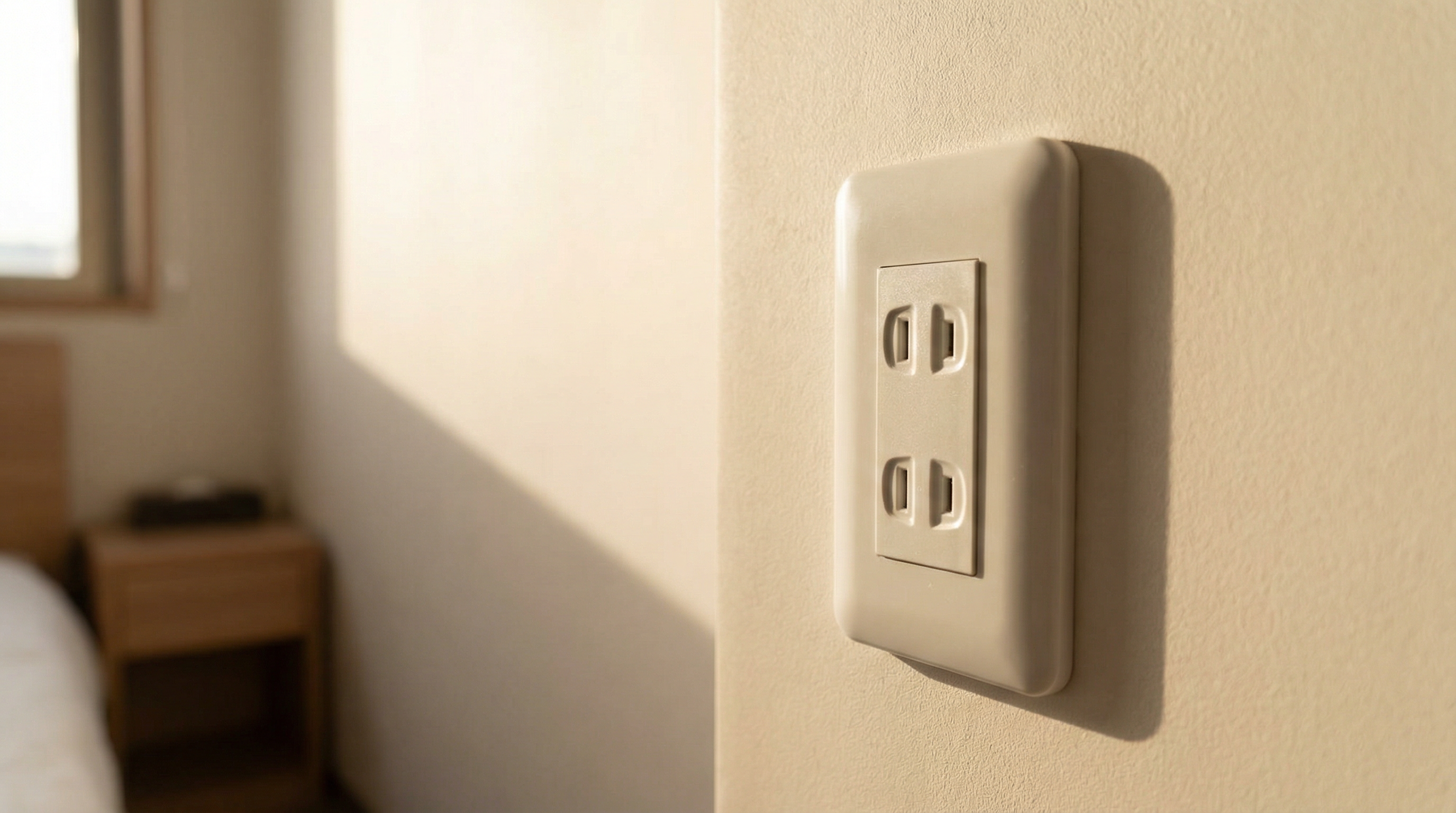
Key TakeawayYou must have an adapter to convert 3-prong US plugs into the 2-prong Japanese Type A standard.
| Feature | Japanese Type A | US Type B | Compatibility | |
|---|---|---|---|---|
| Pin Count | 2 | 3 | No | |
| Shape | Flat Parallel | Flat + Round Ground | Partial | |
| Grounding | No | Yes | Required |
Will a japan power adapter fit my Type B 3-prong plugs?
A high-quality japan power adapter is designed specifically to accept your Type B 3-prong plugs and convert them for use. These adapters act as a bridge, allowing the two flat pins to pass through while providing a bypass for the grounding pin. This is the most efficient way to ensure your professional gear remains functional.
Using a 3-to-2 prong converter is a standard practice for international visitors in Japan. It prevents the need to buy entirely new cables for every device you carry. However, you should ensure the adapter is rated for the wattage your specific device requires.
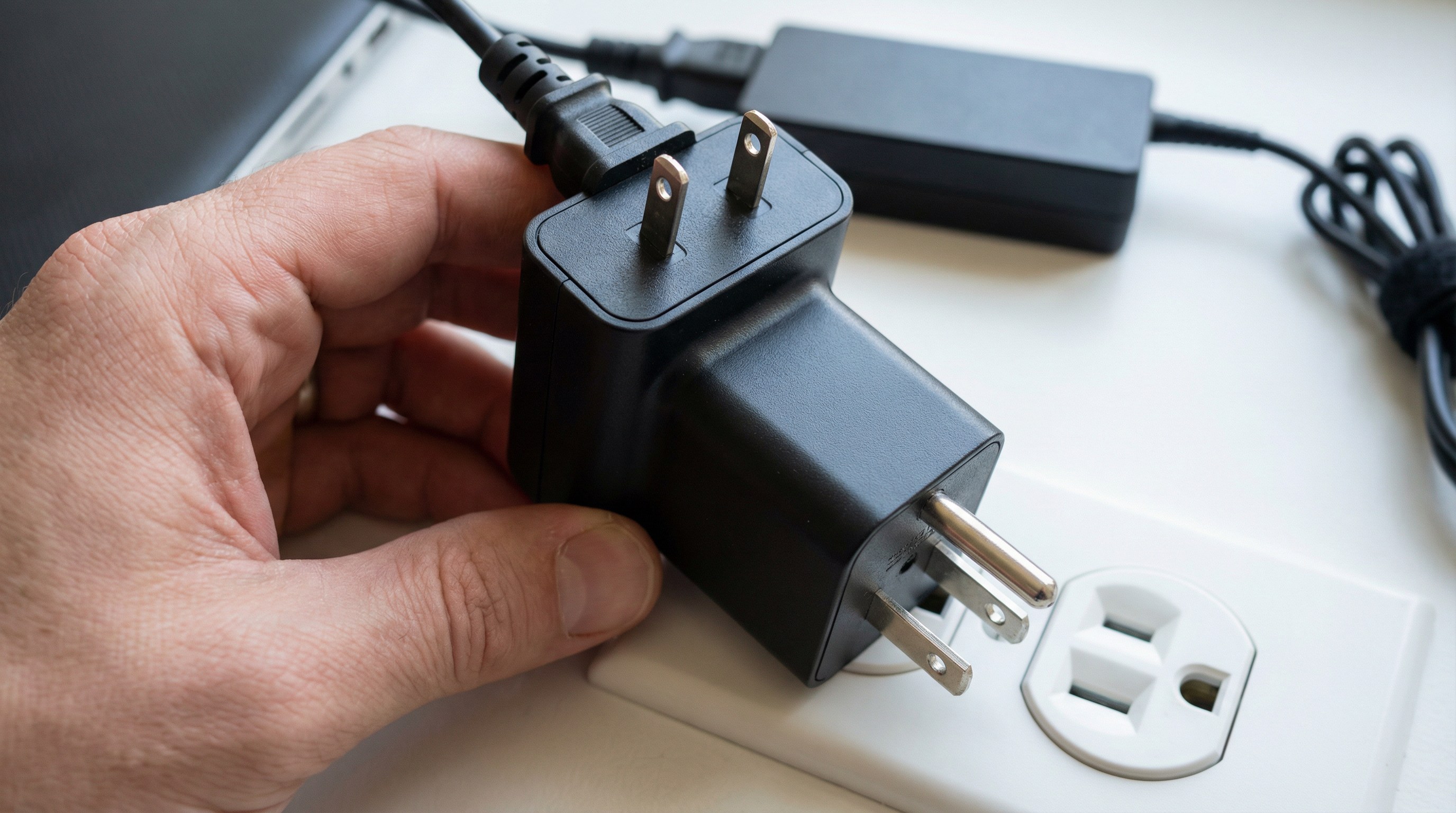
Key TakeawayQuality adapters safely bridge the gap between US 3-prong plugs and Japanese 2-prong outlets.
| Adapter Type | Input Support | Output Pins | Grounding | |
|---|---|---|---|---|
| 3-to-2 Prong | Type B | Type A | Bypassed | |
| Universal | Global | Type A/B | Variable | |
| Multi-Tap | Multiple Type B | Type A | Bypassed |
Is 100V safe without a japan power adapter converter?
Using a japan power adapter without a voltage converter is usually safe for modern electronics like laptops and smartphones. Japan operates on 100 volts, which is slightly lower than the 120 volts standard in the United States. Most digital devices are “dual voltage” or “universal,” meaning they can handle a range from 100V to 240V automatically.
However, simple heating appliances or motorized tools may struggle with the lower voltage. Hair dryers might run slower or not get as hot as they do back home. For these specific items, a voltage transformer might be necessary to prevent long-term damage to the internal motors.
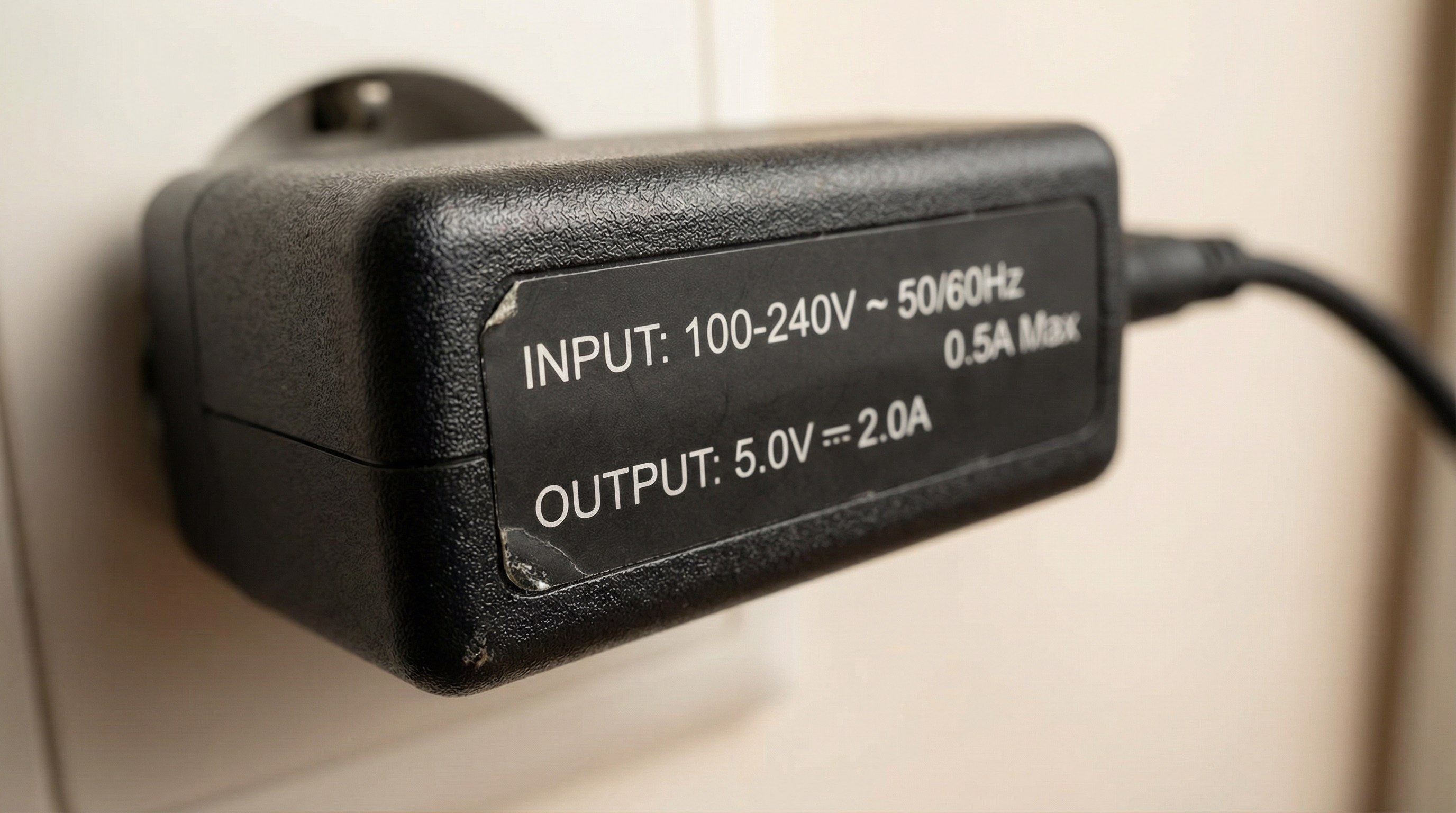
Key TakeawayCheck your device labels for “100-240V” to confirm they only need a physical adapter.
| Device Type | Voltage Label | Converter Needed? | |
|---|---|---|---|
| Laptop/Phone | 100-240V | No | |
| US Hair Dryer | 120V Only | Yes | |
| Electric Shaver | 100-240V | No |
Does the frequency affect my japan power adapter needs?
The frequency in Japan is unique and may influence how you use your japan power adapter. Unlike the US, which uses a uniform 60Hz, Japan is split: Eastern Japan (Tokyo) uses 50Hz, while Western Japan (Osaka) uses 60Hz. Most modern switching power supplies are rated for 50/60Hz and will work perfectly with just a physical adapter.
The problem arises with devices that rely on the power line frequency for timing. Older alarm clocks, some kitchen appliances, and certain power tools may run fast or slow depending on which city you are in. It is vital to check your equipment if you are traveling between regions like Kanto and Kansai.
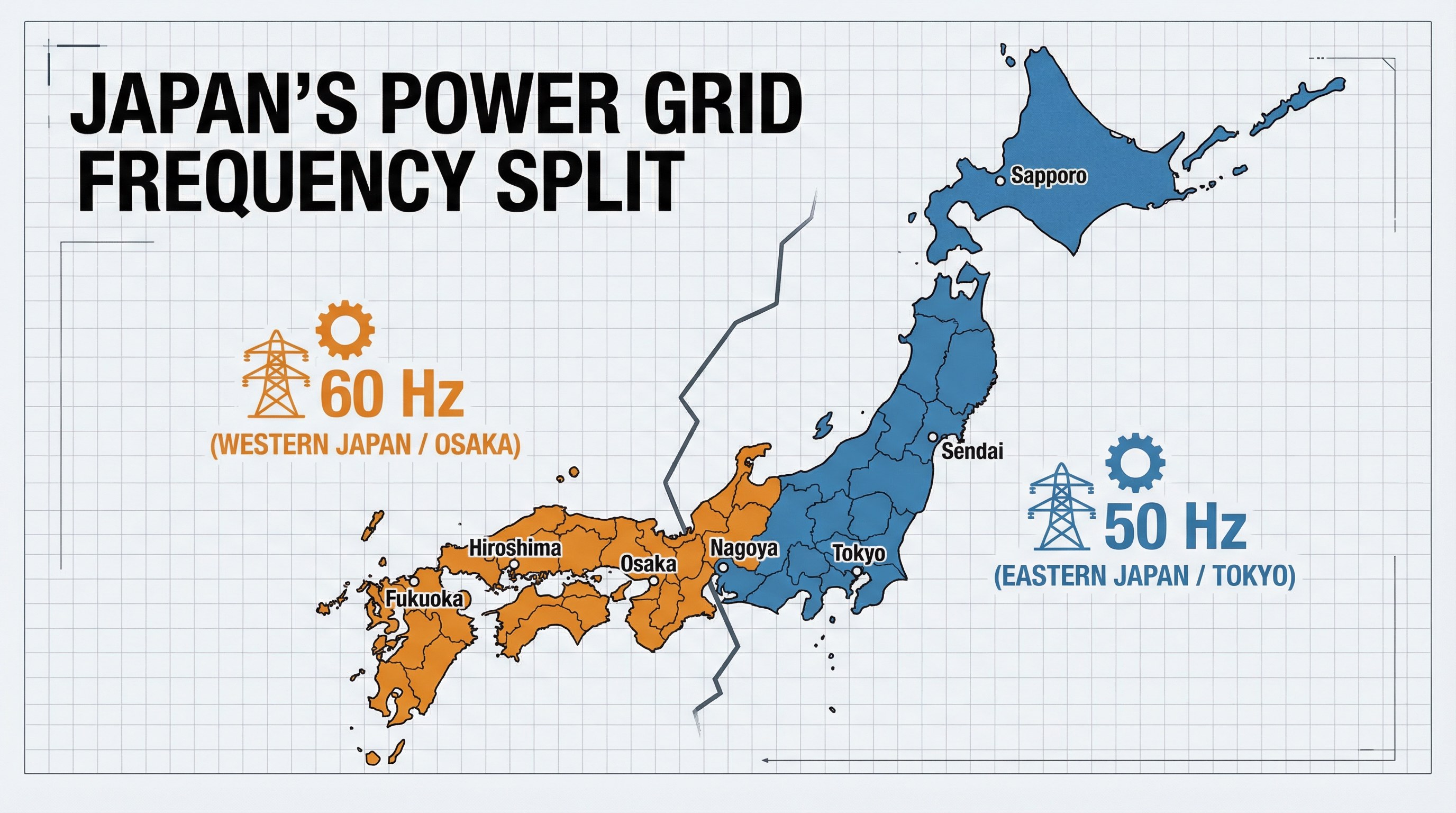
Key TakeawayVerify your devices are rated for 50/60Hz to ensure they work in both Tokyo and Osaka.
| Region | Frequency | Major Cities | |
|---|---|---|---|
| Eastern Japan | 50 Hz | Tokyo, Yokohama | |
| Western Japan | 60 Hz | Osaka, Kyoto | |
| United States | 60 Hz | All Cities |
Can I use a japan power adapter for medical equipment?
Using a japan power adapter for sensitive medical devices requires extreme caution and prior verification. Devices such as CPAP machines or nebulizers often have universal power supplies, but they must be checked for 100V compatibility. Because medical equipment is critical for health, relying on a cheap travel adapter is not recommended.
For high-stakes health needs, you should look for a medical adapter that meets strict safety certifications. These units are designed to handle voltage fluctuations and provide stable power. Always contact your equipment manufacturer before taking medical devices to Japan.
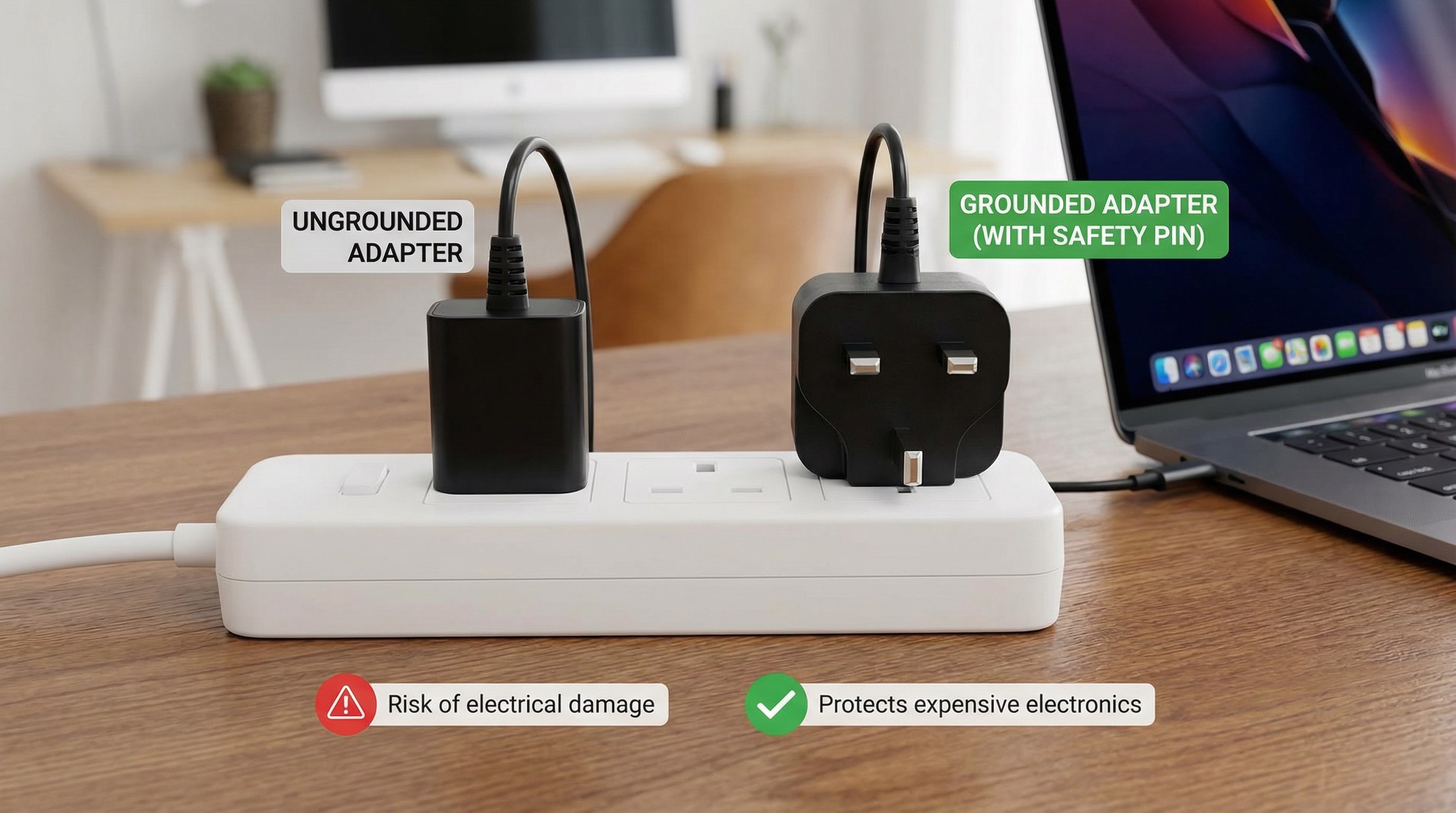
Key TakeawayOnly use certified medical-grade adapters for healthcare devices to ensure safety and stability.
| Device Type | Power Rating | Adapter Requirement | |
|---|---|---|---|
| CPAP Machine | 100-240V | Physical Adapter Only | |
| Hospital Pump | Specialized | Medical Grade Unit | |
| Nebulizer | 100-120V | Verified Adapter |
Where can I buy a reliable japan power adapter for travel?
You can purchase a high-quality japan power adapter from reputable online electronics retailers or specialized travel stores. Buying before you depart is the best strategy to avoid the “airport tax” and limited selection. Online platforms offer a wide variety of multi-port and high-wattage options that are often unavailable in physical shops.
If you are already in Japan, stores like Yodobashi Camera or Bic Camera carry an extensive range of power solutions. These “electronics cathedrals” have entire floors dedicated to cables and adapters. However, finding an adapter that converts a US 3-prong to a Japanese 2-prong might be slightly harder to find locally than the reverse.
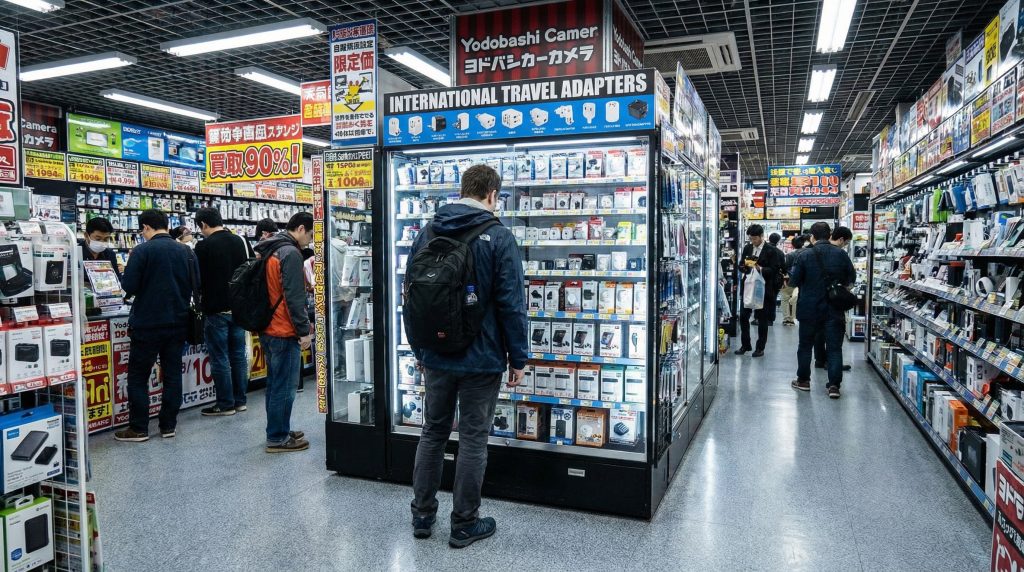
Key TakeawayBuy your adapters online before you travel to ensure the best price and specific compatibility.
| Purchase Location | Price Range | Selection Quality | Recommendation | |
|---|---|---|---|---|
| Online (E-commerce) | 10−25 | Excellent | Best Choice | |
| Japan Retail Stores | 15−40 | Good | Great for Emergencies | |
| Airport Shops | 30−60 | Poor | Avoid if possible |
Which japan power adapter works for communication tech?
Selecting the right japan power adapter for routers, hubs, and modems is essential for staying connected. Communication equipment often requires stable DC power, and a poor-quality adapter can cause signal drops or hardware resets. When setting up a temporary office, ensure your power source is rated for continuous use.
For professionals setting up infrastructure, using a dedicated information and communication power solution is the safest route. These adapters are built to handle the heat of 24/7 operation. They provide the steady voltage required to keep high-speed data flowing without interruption.
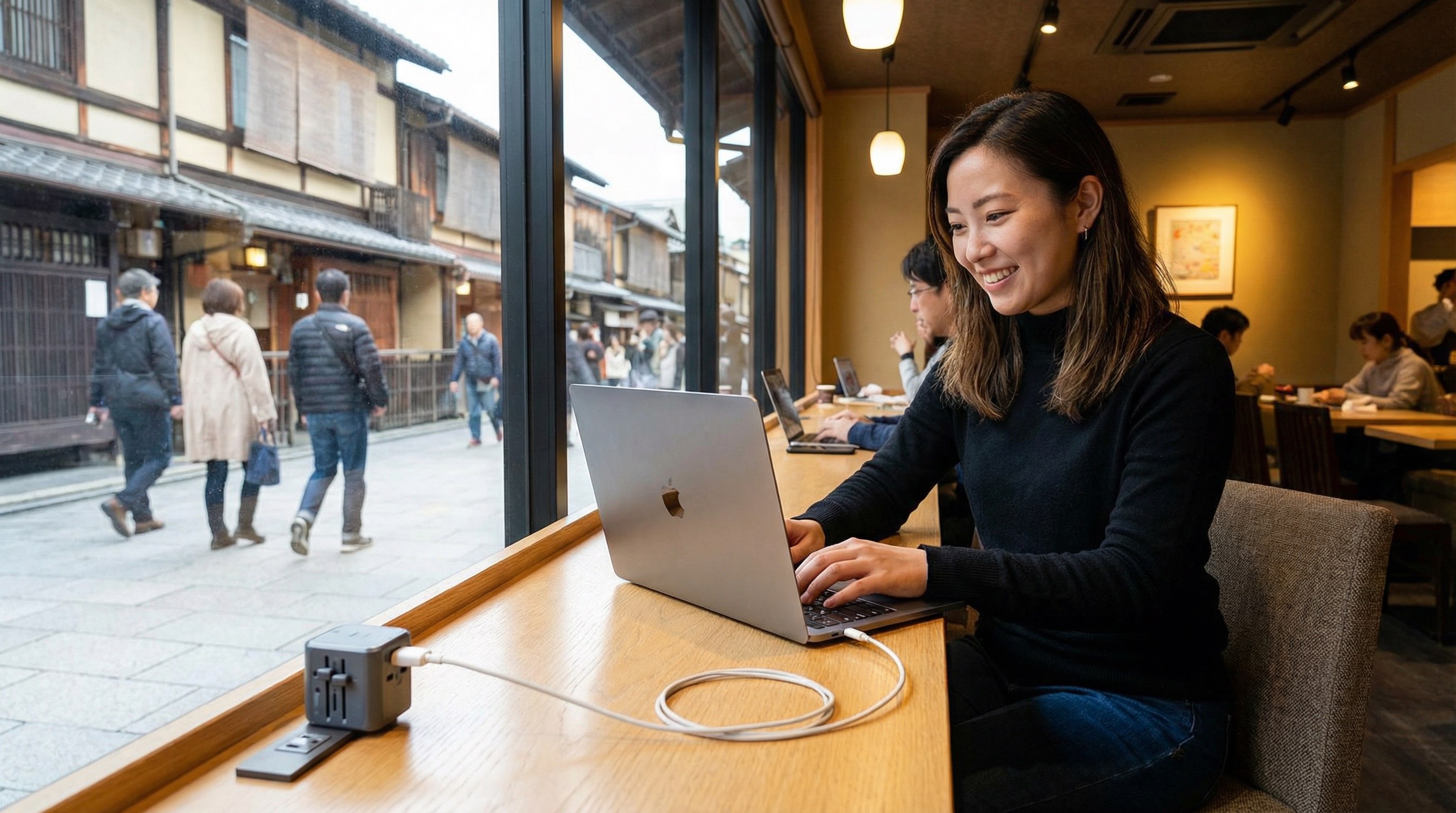
Key TakeawayUse regulated and certified power adapters to maintain high-speed data integrity and device uptime.
| Equipment | Power Sensitivity | Recommended Adapter | |
|---|---|---|---|
| Wi-Fi Router | High | Regulated DC Adapter | |
| Network Switch | Medium | Desktop Power Supply | |
| IP Phone | High | PoE or Certified Adapter |
Should I use a japan power adapter with USB-C chargers?
A modern japan power adapter with built-in USB ports is the most efficient way to charge mobile devices. Instead of carrying multiple power bricks for your phone, tablet, and watch, you can use a single wall unit. USB-C has become the global standard, and Japanese outlets handle these chargers exceptionally well.
Using a dedicated usb-charger designed for international travel can save significant luggage space. These devices often feature interchangeable plugs or a foldable Type A/B design. They allow you to charge multiple items simultaneously from a single Japanese socket.
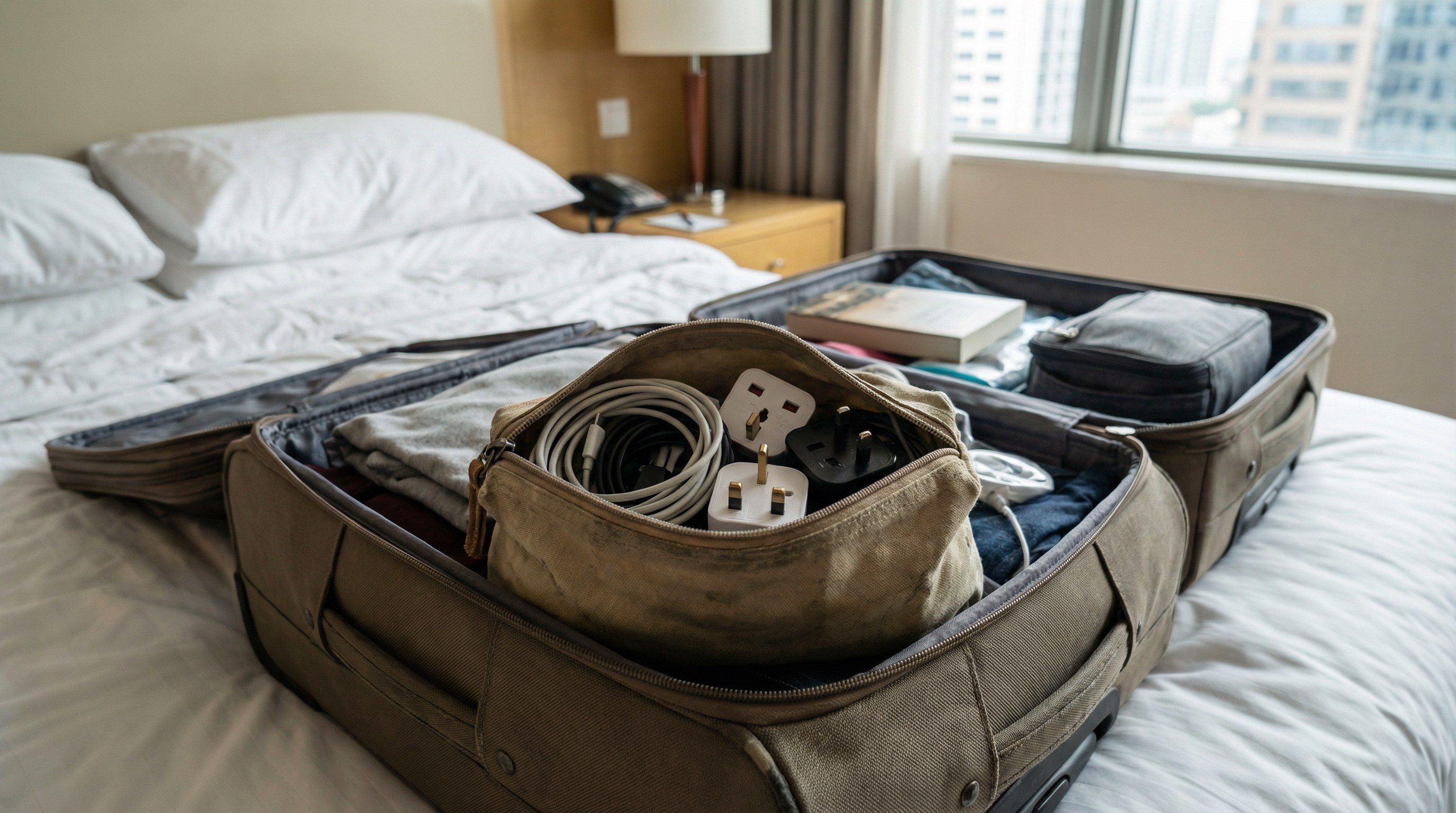
Key TakeawayIntegrated USB-C chargers are the most convenient and space-efficient way to power your mobile tech in Japan.
| Charger Type | Port Count | Max Output | Best For | |
|---|---|---|---|---|
| Single USB-C | 1 | 20W – 30W | Smartphones | |
| Multi-Port Hub | 4+ | 65W – 100W | Multiple Devices | |
| Travel Adapter | 2+ | 15W – 45W | Minimalist Travel |
Is a japan power adapter necessary for high-speed PD?
For the fastest charging speeds, a japan power adapter that supports Power Delivery (PD) is a must-have. PD technology allows for much higher power transfer over USB-C cables than standard chargers. When you are on a tight sightseeing schedule in Japan, being able to charge your phone to 50% in 30 minutes is a lifesaver.
To get the best results, you should use a dedicated pd-charger that is compatible with the Japanese 100V system. These chargers are engineered to maintain high efficiency even at lower input voltages. This ensures your devices charge at their maximum rated speed without getting excessively hot.
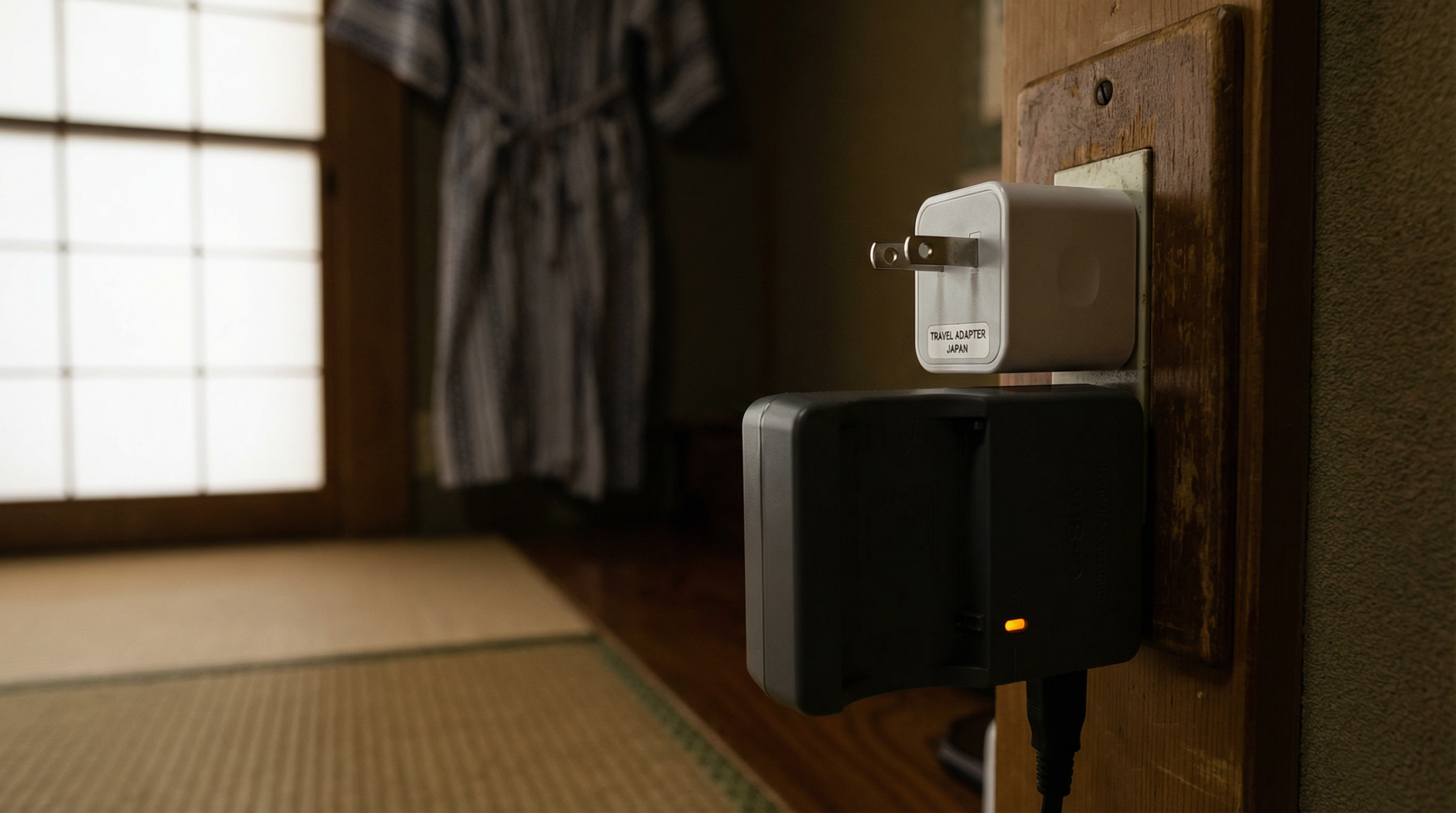
Key TakeawayInvest in a PD-capable charger to enjoy the fastest possible charging speeds during your Japanese adventure.
| Tech Type | Standard USB | Power Delivery (PD) | Speed Increase | |
|---|---|---|---|---|
| Voltage | Fixed 5V | Variable (up to 20V) | 3x – 4x Faster | |
| Max Wattage | 10W – 12W | 18W – 100W+ | Significant | |
| Connector | USB-A / C | USB-C Only | Required |
How do I select the right japan power adapter for Japan?
Choosing the correct japan power adapter requires a quick audit of your travel gear. Start by counting how many 3-prong devices you have and checking their total wattage. If you only have a phone and a camera, a simple 2-pack of plug adapters is sufficient. For power users, a multi-port charger with a built-in Type A plug is the superior choice.
Always look for products with global safety certifications to ensure they won’t damage your electronics or cause a fire. Avoid the cheapest “no-name” adapters found in discount bins, as they often have poor contact points. A solid, well-reviewed adapter provides peace of mind while you explore the wonders of Japan.
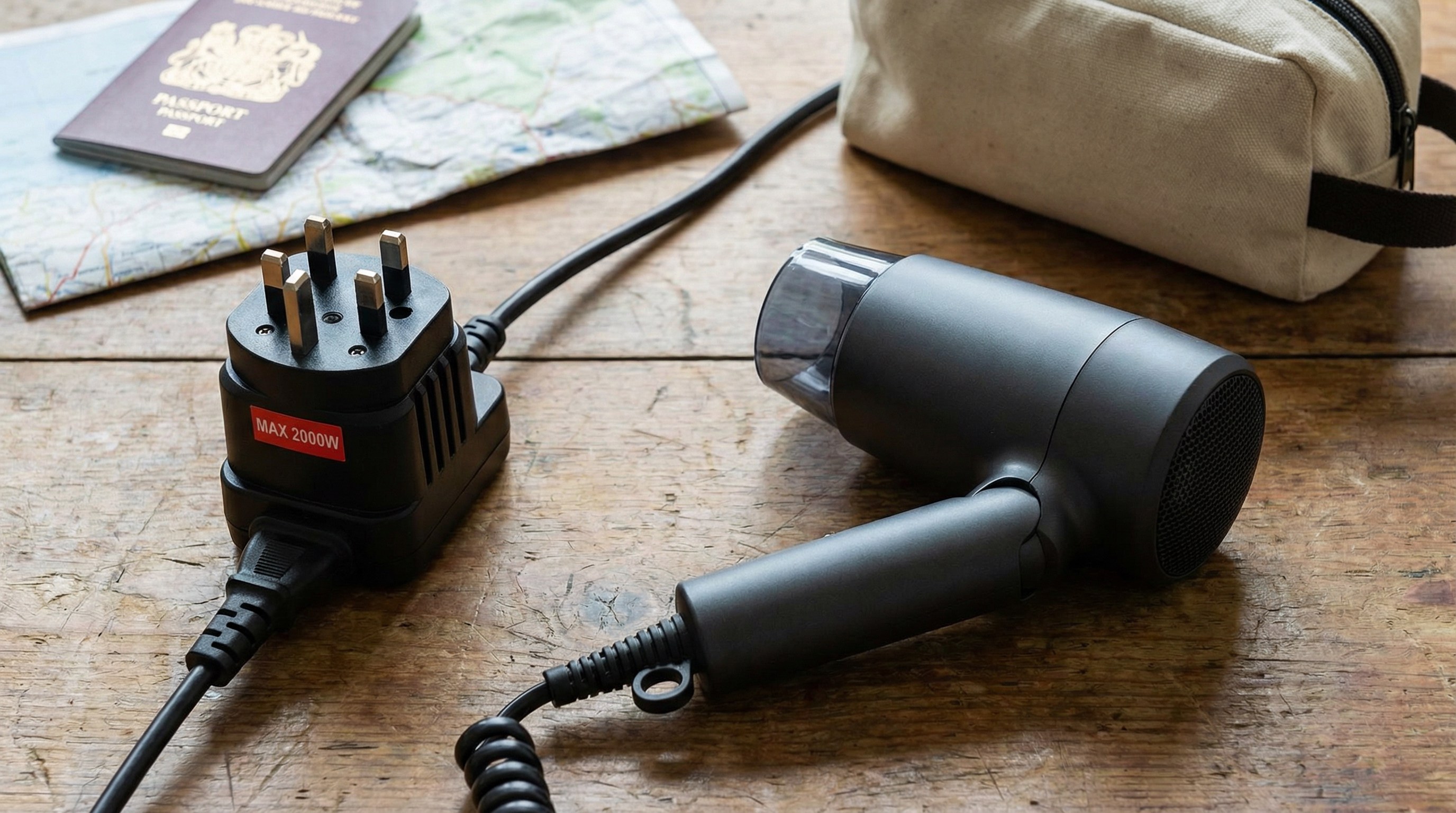
Key TakeawaySelect an adapter that matches your highest-wattage device and offers multiple ports for convenience.
| Step | Action | Why? | |
|---|---|---|---|
| 1 | Count Prongs | Determine if you need a Type A adapter. | |
| 2 | Check Voltage | See if a transformer is required. | |
| 3 | Pick a Brand | Ensure safety and high-quality components. |
Conclusion
Navigating Japan’s unique electrical landscape doesn’t have to be complicated. By securing the right physical adapter and verifying your device voltages, you ensure a seamless transition from the airport to the city. Whether you need a high-speed charger for your phone or a certified solution for medical equipment, preparation is the key to a stress-free journey. If you need professional-grade power solutions or bulk orders for your business travel needs, contact us today for expert guidance and high-quality manufacturing.
FAQ
Can I use my US iPhone charger in Japan?Yes, US iPhone chargers use a two-prong Type A plug and are universal voltage (100-240V), so they work perfectly without any adapter.
What’s the best adapter for a US laptop in Tokyo?A 3-to-2 prong adapter or a dedicated USB-C PD charger is best, as most Japanese outlets do not have the third grounding hole.
Can I use a hair dryer from the US in Osaka?You can, but since Osaka is 100V (lower than the US 120V), it will likely run slower and provide less heat than usual.
Do I need a voltage converter for my electric toothbrush?Usually no, as most modern electric toothbrushes are rated for 100-240V, but you should check the bottom of the charging base to be sure.
Will my 3-prong power strip work in a Japanese hotel?Only if you use a 3-to-2 prong adapter to connect the strip to the wall, and you must ensure the total wattage doesn’t exceed the outlet’s limit.