The primary certification required for a medical grade power adapter is the IEC 60601-1 global safety standard. Standard consumer power adapters lack the rigorous safety mechanisms required for healthcare environments, creating a dangerous gap in reliability. Using non-compliant power supplies for medical devices can lead to catastrophic electrical failures, interference with sensitive diagnostics, or even direct harm to patients and staff.
In a medical setting, the margin for error is zero because a single surge or excessive leakage current can cause life-support monitors to glitch. Manufacturers who overlook specific certifications risk not only legal liability and regulatory rejection but also the safety of the individuals relying on their technology. This is why selecting a certified medical grade power adapter is non-negotiable for any modern healthcare application.
What defines a medical grade power adapter for healthcare?
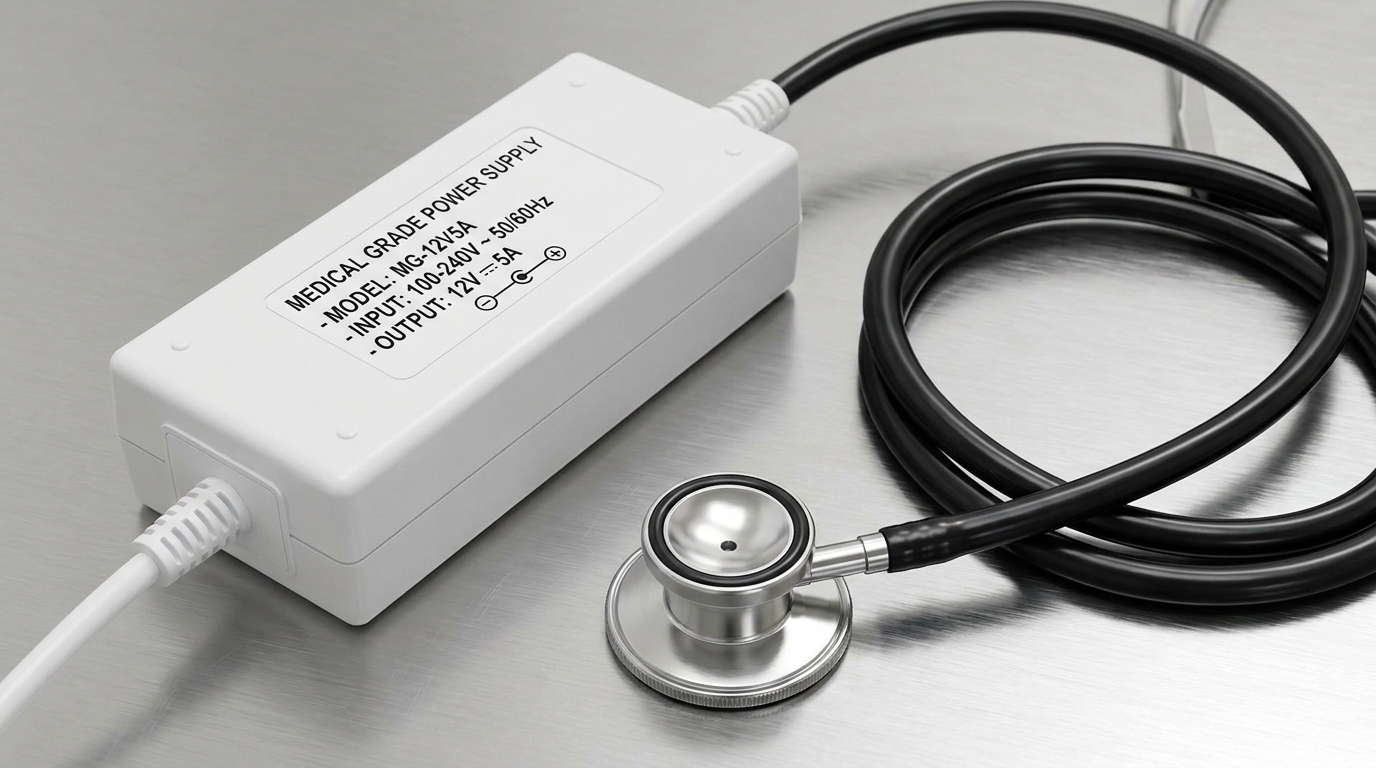
A medical grade power adapter is defined by its ability to provide high-level galvanic isolation and extremely low leakage current. These units are engineered to operate in close proximity to patients, where even a tiny electrical discharge could be fatal. You will notice that their internal construction uses higher-grade insulation and specialized components compared to standard office electronics.
Specialized internal design and components
The internal architecture of these adapters focuses on redundant safety paths and robust thermal management. Engineers prioritize “creepage and clearance” distances to ensure that high-voltage areas are physically separated from user-accessible parts. You see, this structural integrity is what prevents short circuits in humid or high-pressure clinical environments.
- Reinforced Insulation: Prevents electrical breakdown between primary and secondary circuits.
- High-Quality Capacitors: Designed to withstand voltage spikes without failing.
- Thermal Cut-offs: Automatically shut down the unit if internal temperatures exceed safety limits.
- Shielded Transformers: Minimize electromagnetic interference with nearby diagnostic tools.
| Feature | Medical Grade | Consumer Grade | |
|---|---|---|---|
| Isolation Level | 2xMOPP (Double) | Basic | |
| Leakage Current | < 100µA | > 500µA | |
| Operating Life | 5+ Years | 1-2 Years |
High-spec components are essential because they ensure the power supply remains stable under the 24/7 duty cycles typical of hospital equipment.
Key Takeaway: Medical adapters are life-safety components, not just power converters, requiring specific internal barriers to protect human life.
Why is the IEC 60601-1 standard a global requirement?
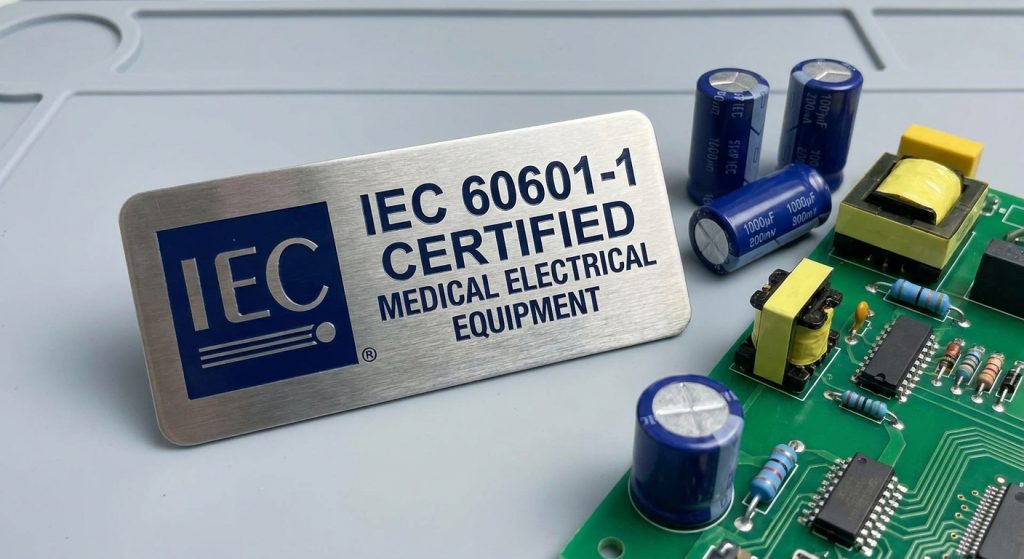
The IEC 60601-1 standard is the global requirement because it harmonizes safety and performance criteria for all medical electrical equipment. For any medical grade power adapter, this certification is the “passport” needed to enter international markets. It ensures that the device has undergone stringent safety testing to mitigate risks like fire, mechanical failure, and electrical shock.
Essential performance and safety criteria
Think about it: a ventilator cannot afford to lose power due to a simple adapter malfunction. The standard mandates that the adapter must maintain “essential performance” even during electrical disturbances. This means the unit must be resilient against power sags, surges, and transient voltages without failing.
- Dielectric Strength: Testing the ability of the insulation to resist high voltage.
- Mechanical Strength: Ensuring the casing won’t crack or expose wires if dropped.
- Risk Management: Manufacturers must provide a formal file detailing how they mitigated every possible failure mode.
- Labeling Accuracy: Strict rules on how safety warnings and ratings are printed on the device.
| Standard Version | Focus Area | Impact on Design | |
|---|---|---|---|
| 3rd Edition | Risk Management | Requires formal Hazard Analysis | |
| 4th Edition | EMC/EMI | Stricter interference limits | |
| Amendment 2 | Technical Updates | Improved safety margins |
The shift from simple safety checks to comprehensive risk management in modern standards has significantly reduced device-related patient injuries.
Key Takeaway: IEC 60601-1 is the foundational document that guarantees a device is legally and technically fit for clinical use.
How do medical grade power adapter units ensure patient safety?
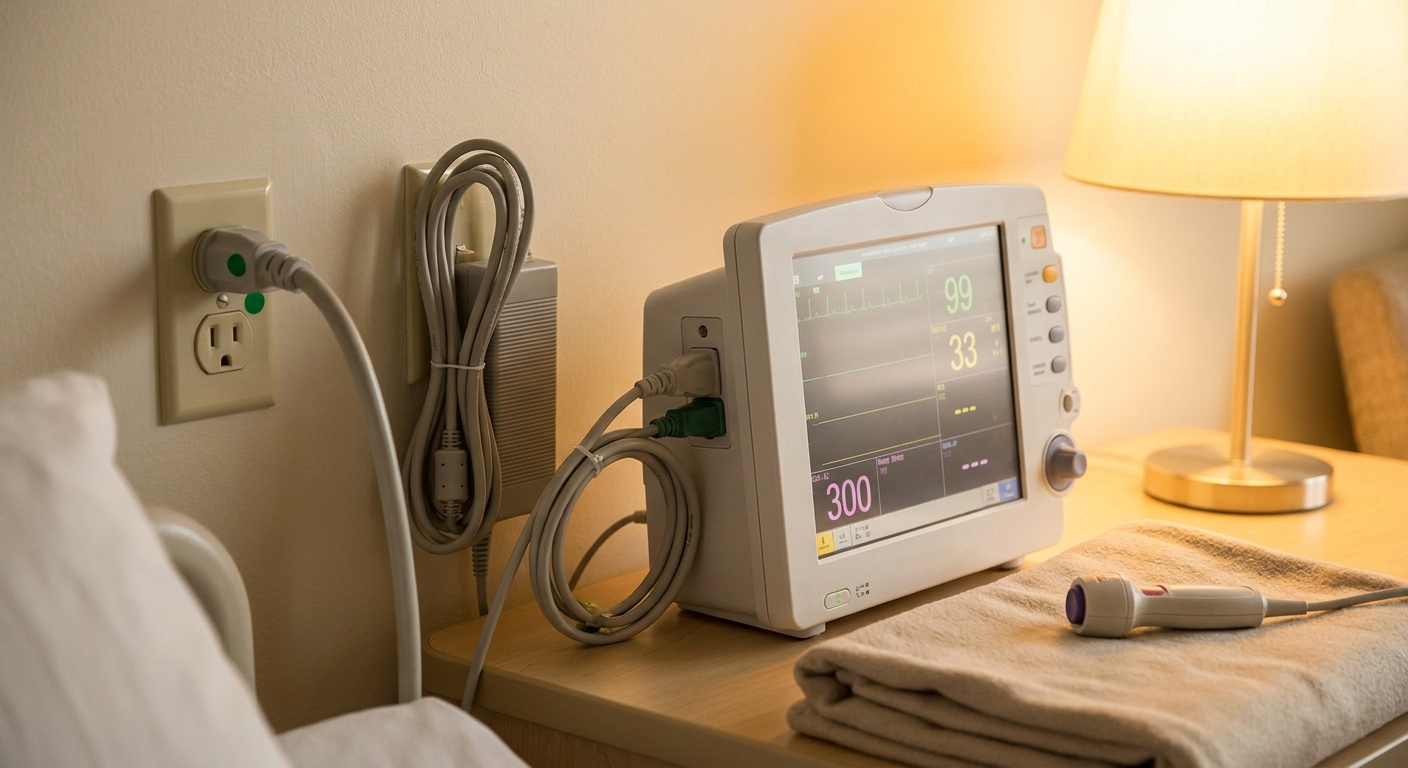
A medical grade power adapter ensures patient safety primarily by keeping leakage currents below a threshold that the human heart can tolerate. In a hospital, patients are often weakened or have internal probes that make them highly susceptible to electric micro-shocks. By utilizing advanced filtering and isolation, these adapters create a “safe zone” around the medical equipment.
Strict leakage current limitations
Here is the deal: standard adapters often allow enough current to leak through the casing to cause a painful “tingle.” In a clinical setting, that same amount of current could cause cardiac arrhythmia if it enters the body through a catheter. These adapters use low-leakage capacitors and precision grounding to keep these levels safely under 100µA.
- Earth Leakage Current: Current flowing from the mains to the protective earth.
- Touch Leakage Current: Current that could flow through a person touching the adapter’s case.
- Patient Leakage Current: The most critical metric, measuring current flowing through the patient connection.
- Enclosure Insulation: Fire-retardant plastics that prevent the spread of internal electrical fires.
| Measurement Type | Safety Limit (NC) | Safety Limit (SFC) | |
|---|---|---|---|
| Earth Leakage | 500 µA | 1000 µA | |
| Patient Leakage | 100 µA | 500 µA | |
| Touch Leakage | 100 µA | 500 µA |
Maintaining low leakage values is the single most important factor in preventing unintentional electrocution in patient-contact scenarios.
Key Takeaway: Safety is achieved through invisible electrical barriers that prevent minute currents from reaching the patient.
What are the specific isolation levels for medical adapters?
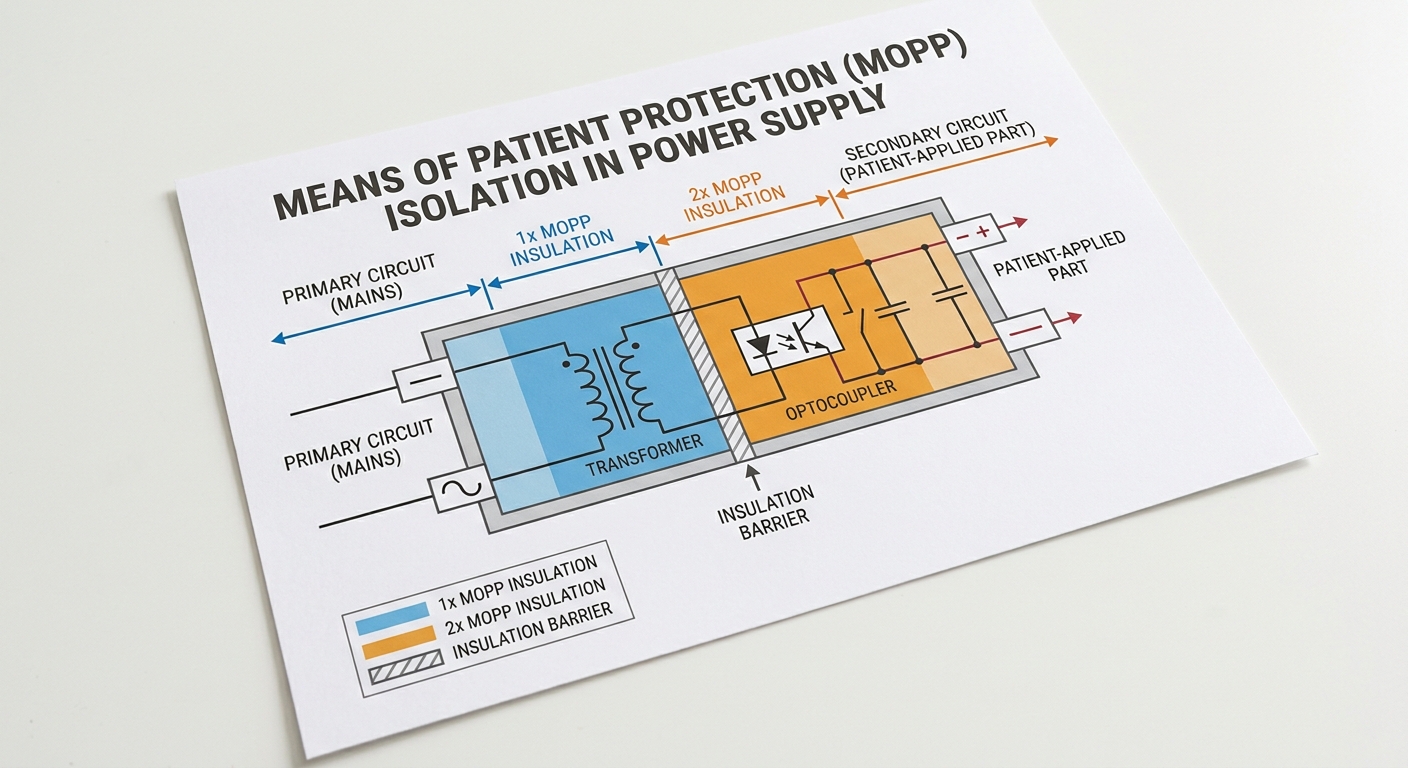
Isolation levels for a medical grade power adapter are categorized as MOPP (Means of Patient Protection) or MOOP (Means of Operator Protection). This distinction is vital because patients are often more vulnerable than the healthy medical staff operating the equipment. Most top-tier medical devices require the 2xMOPP standard, which represents a “double layer” of isolation for maximum safety.
Understanding MOPP versus MOOP levels
You see, 2xMOPP requires the highest creepage distances and dielectric test voltages. If a device has a “patient-applied part,” like an ECG lead, the adapter feeding that device must meet these extreme isolation rules. This ensures that even if one safety barrier fails, a second one remains to prevent high voltage from reaching the patient.
- Creepage Distance: The shortest path along the surface of the insulation between two conductive parts.
- Clearance Distance: The shortest distance through air between two conductive parts.
- Dielectric Testing: 2xMOPP requires withstanding up to 4000VAC for one minute.
- Component Redundancy: Using two optocouplers or transformers to ensure a fail-safe circuit.
| Level | Isolation Distance | Test Voltage | |
|---|---|---|---|
| 1xMOOP | 4.0 mm | 1500 VAC | |
| 2xMOOP | 8.0 mm | 3000 VAC | |
| 2xMOPP | 8.0 mm | 4000 VAC |
The 2xMOPP standard offers a “fail-safe” architecture that is essential for any equipment making direct contact with a patient’s skin or internal organs.
Key Takeaway: Choose 2xMOPP certified adapters whenever the device will be used in the immediate vicinity of a patient.
Which regional safety certifications are strictly required?
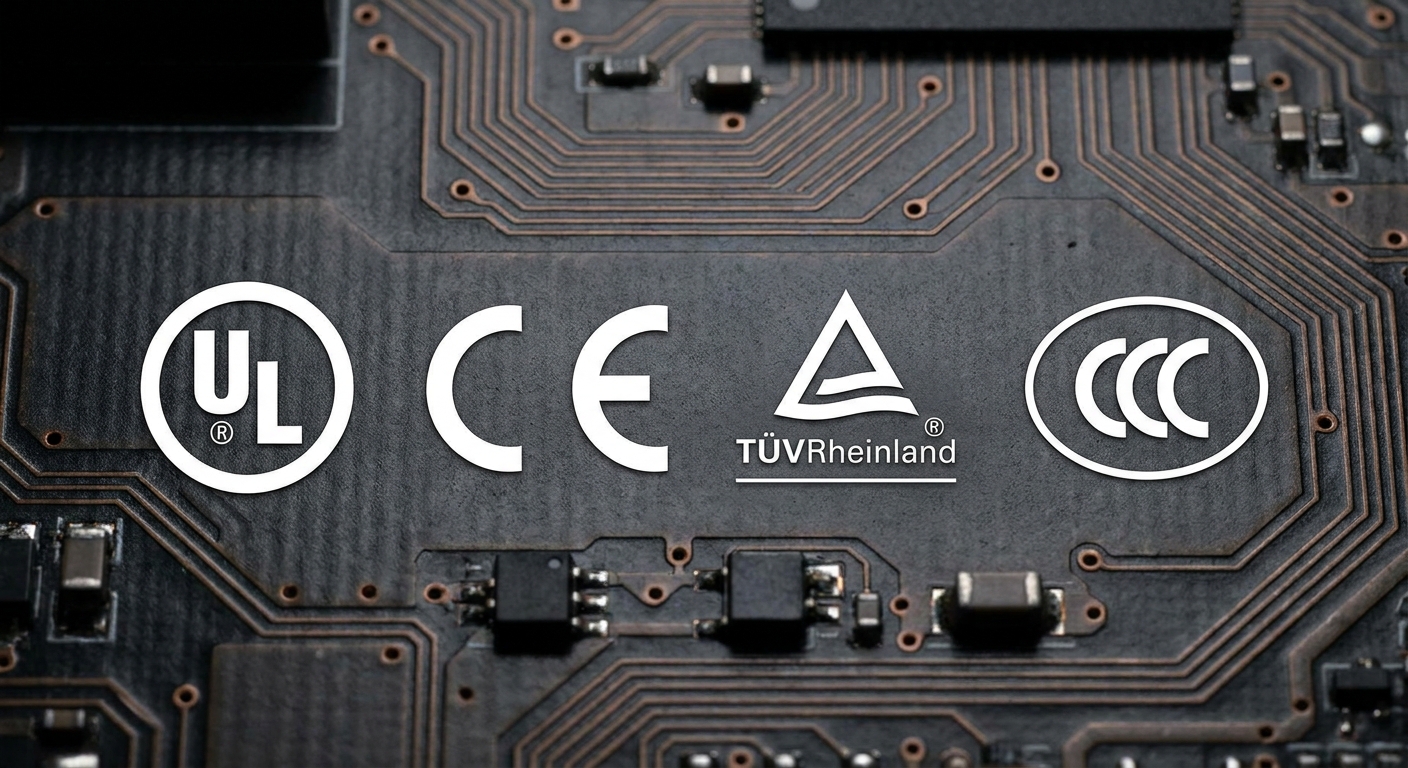
Regional certifications for a medical grade power adapter include UL/cUL for the United States and Canada, and CE or TUV for the European Union. While IEC 60601-1 is the international framework, each region has its own local deviations and legal requirements. Failing to have the correct “mark” on your adapter can result in your shipments being seized by customs.
North American UL and European CE standards
In the US, UL 60601-1 is the primary reference, focusing on fire safety and electrical shock prevention. For the European market, the CE mark signifies compliance with the Medical Device Regulation (MDR). It is common for high-quality manufacturers to provide comprehensive medical adapters that carry all these marks simultaneously for global versatility.
- UL/cUL: Essential for entry into the US and Canadian medical markets.
- CE Mark: Mandatory for selling medical devices within the European Economic Area.
- TUV/GS: A German safety mark that carries high prestige and trust globally.
- CCC: Required for medical products being sold in mainland China.
| Region | Primary Certification | Focus | |
|---|---|---|---|
| USA | UL 60601-1 | Fire and Shock Safety | |
| Europe | CE (MDR) | Clinical Performance | |
| China | CCC (Medical) | National Standards |
Regulatory marks are visual proof that the adapter has been independently verified by a third-party laboratory for safety.
Key Takeaway: Global compliance requires a multi-certified adapter to avoid the cost and complexity of stocking different units for every country.
How does EMC compliance affect a medical grade power adapter?
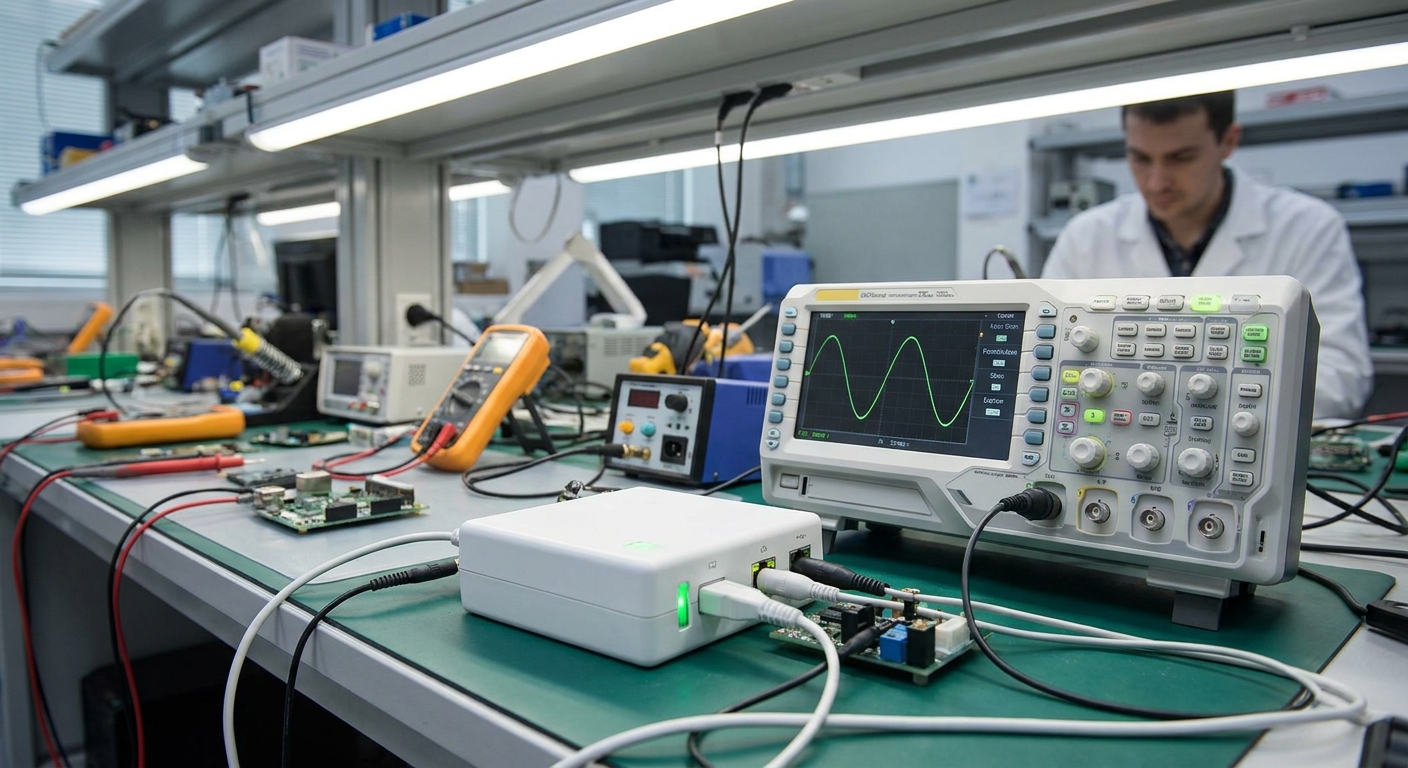
EMC compliance ensures that a medical grade power adapter does not emit electromagnetic noise that could disrupt other hospital equipment. Hospitals are filled with sensitive wireless signals and high-precision sensors that can be easily “confused” by electrical interference. Without proper EMC shielding, an adapter could cause a bedside monitor to show a false alarm or a surgical robot to lose precision.
Minimizing electromagnetic interference
The best part? Modern medical adapters are designed with active filtering components that suppress both conducted and radiated emissions. You must also consider immunity, which is the adapter’s ability to keep working even when nearby devices emit their own interference. This bidirectional protection is governed by the IEC 60601-1-2 collateral standard.
- Radiated Emissions: Preventing the adapter from acting like a radio transmitter.
- Conducted Emissions: Stopping noise from flowing back into the building’s power lines.
- ESD Immunity: Protecting the adapter from static shocks common in hospital environments.
- Magnetic Field Resistance: Ensuring the unit works near MRI machines or other high-field devices.
| Test Type | Standard | Purpose | |
|---|---|---|---|
| CISPR 11 | Emissions | Protects wireless signals | |
| IEC 61000-4-2 | ESD | Resists static electricity | |
| IEC 61000-4-5 | Surge | Protects against lightning |
Rigorous EMC testing guarantees that the power supply is a “silent” partner in the medical environment, never interfering with critical data.
Key Takeaway: EMC compliance is just as important as electrical safety for maintaining the integrity of diagnostic data.
What quality management standards must manufacturers follow?
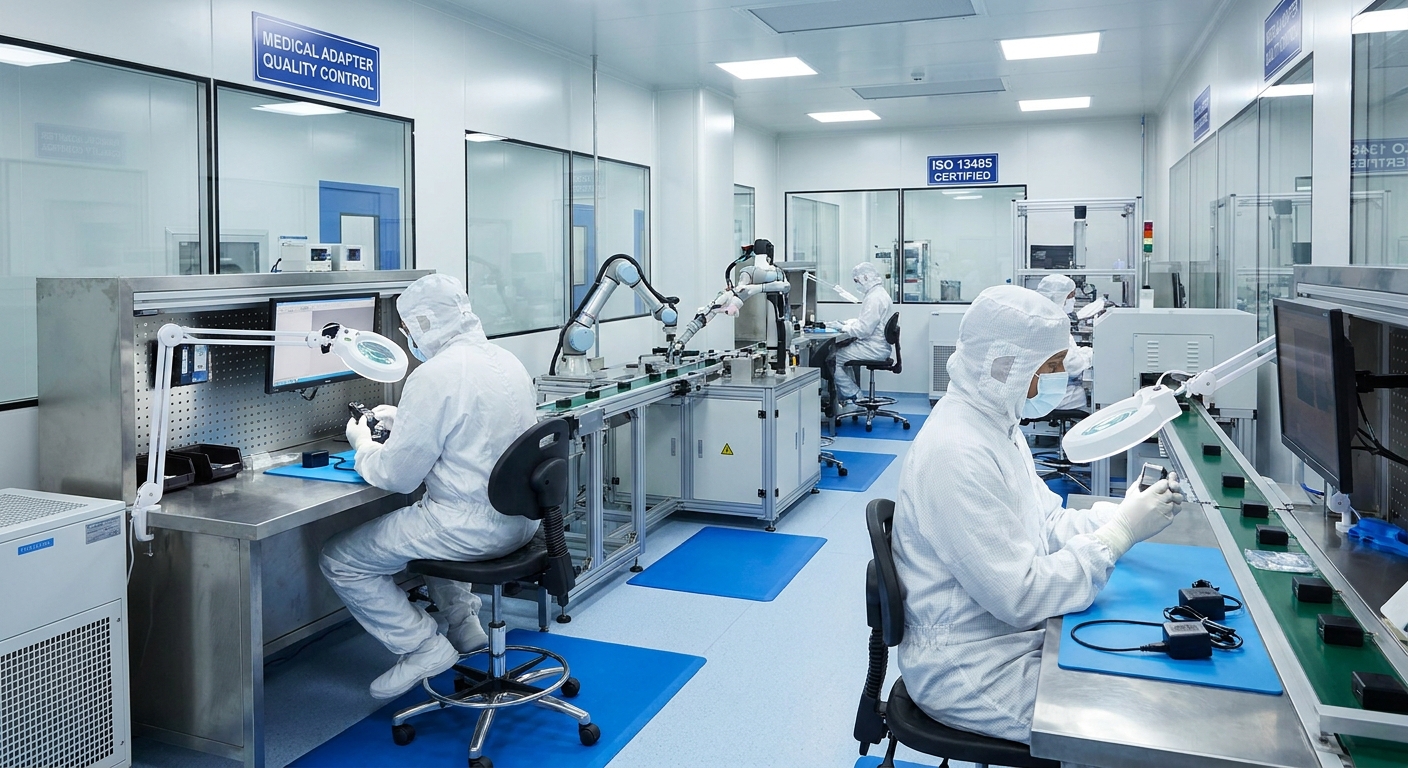
Manufacturers must adhere to the ISO 13485 standard, which is specific to the medical device industry’s quality management. Unlike general manufacturing, medical equipment power supplies require strict traceability for every component used. This ensures that if a batch of capacitors is found to be defective, the manufacturer can identify exactly which adapters they were installed in.
The importance of ISO 13485 certification
Think of ISO 13485 as the blueprint for consistency. It requires rigorous factory aging tests, where every single unit is run at full load for several hours before leaving the plant. This “burn-in” process weeds out “infant mortality” failures, ensuring that the adapter you receive is ready for high-stakes clinical use.
- Full Traceability: Detailed records of raw materials and assembly personnel.
- Change Control: Any design changes must be re-validated to ensure safety is maintained.
- Batch Testing: Constant monitoring of production quality to prevent drifts.
- Post-Market Surveillance: A system for tracking and reporting any field failures.
| ISO Standard | Type | Requirement | |
|---|---|---|---|
| ISO 9001 | General Quality | Customer satisfaction focus | |
| ISO 13485 | Medical Quality | Regulatory and safety focus | |
| ISO 14971 | Risk Management | Hazard mitigation focus |
Adopting medical-specific quality standards ensures that every unit coming off the assembly line meets the exact same safety specifications.
Key Takeaway: Quality certifications prove that the manufacturer has the infrastructure to produce reliable, safe products consistently.
How to choose the best medical grade power adapter for your device?
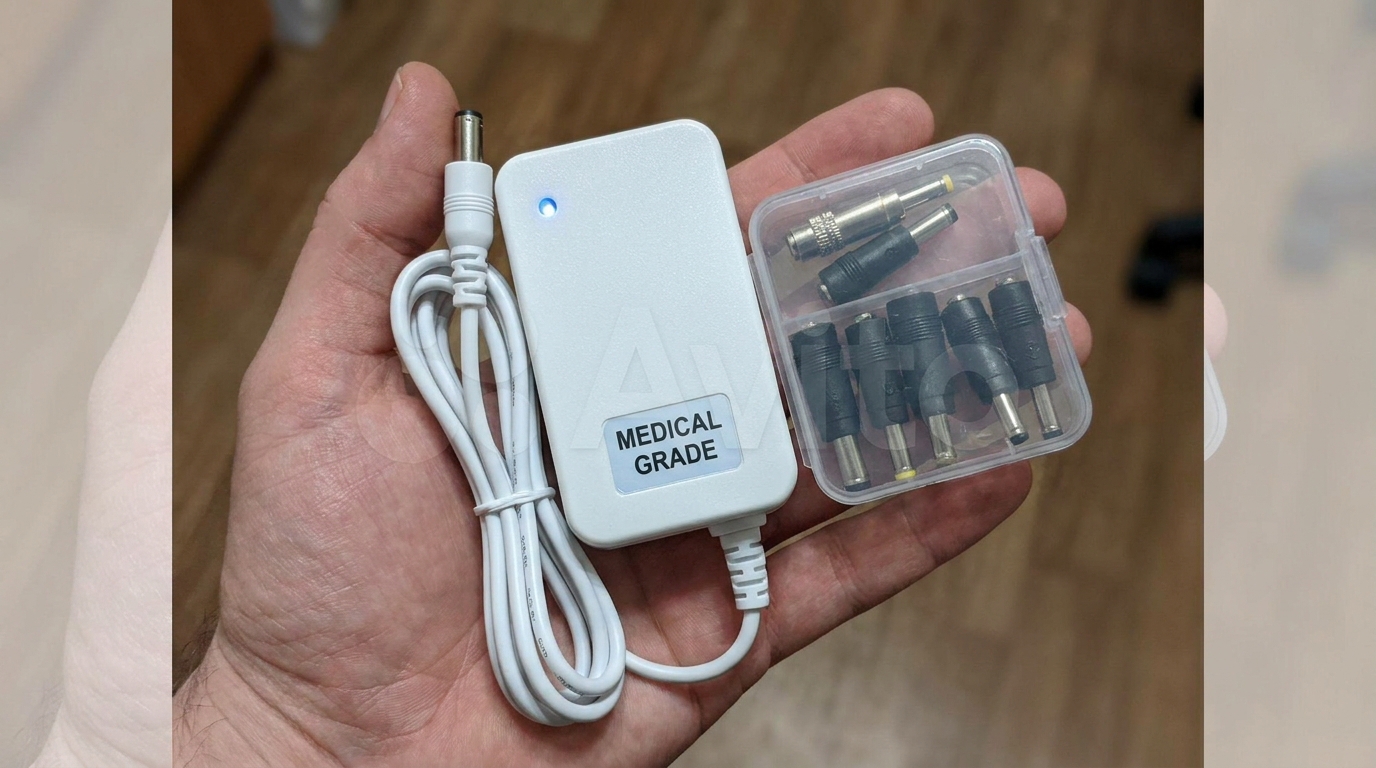
Choosing the best medical grade power adapter requires matching the precise voltage and current requirements while considering the device’s environment. For instance, a portable device used by emergency responders needs a much more rugged casing than a desktop monitor in a quiet clinic. You should always look for a compact 15W power adapter or similar rated units that offer high efficiency to reduce heat.
Matching technical specifications
Don’t just look at the wattage; check the connector type and the output ripple. Many medical sensors require a “clean” DC signal to provide accurate readings. If the adapter produces too much electronic noise, your device’s performance will suffer, regardless of how many certifications the power supply holds.
- Output Stability: The ability to maintain voltage even as the device’s load changes.
- Connector Durability: Medical cables are often pulled and flexed; they must be robust.
- IP Rating: Protection against liquid ingress, critical for devices that need frequent cleaning.
- Power Factor Correction: Improves electrical efficiency and reduces strain on the hospital’s power grid.
| Consideration | Desktop Adapter | Wall-Mount Adapter | |
|---|---|---|---|
| Portability | Low | High | |
| Power Output | Up to 400W | Up to 65W | |
| Best Use | Patient Monitors | Handheld Diagnostics |
Choosing the right form factor ensures that the power supply integrates seamlessly with the user’s workflow without becoming a hindrance.
Key Takeaway: Always prioritize the electrical environment and the specific needs of the end-user when selecting an adapter.
Why are low-ripple medical grade power adapter designs essential?
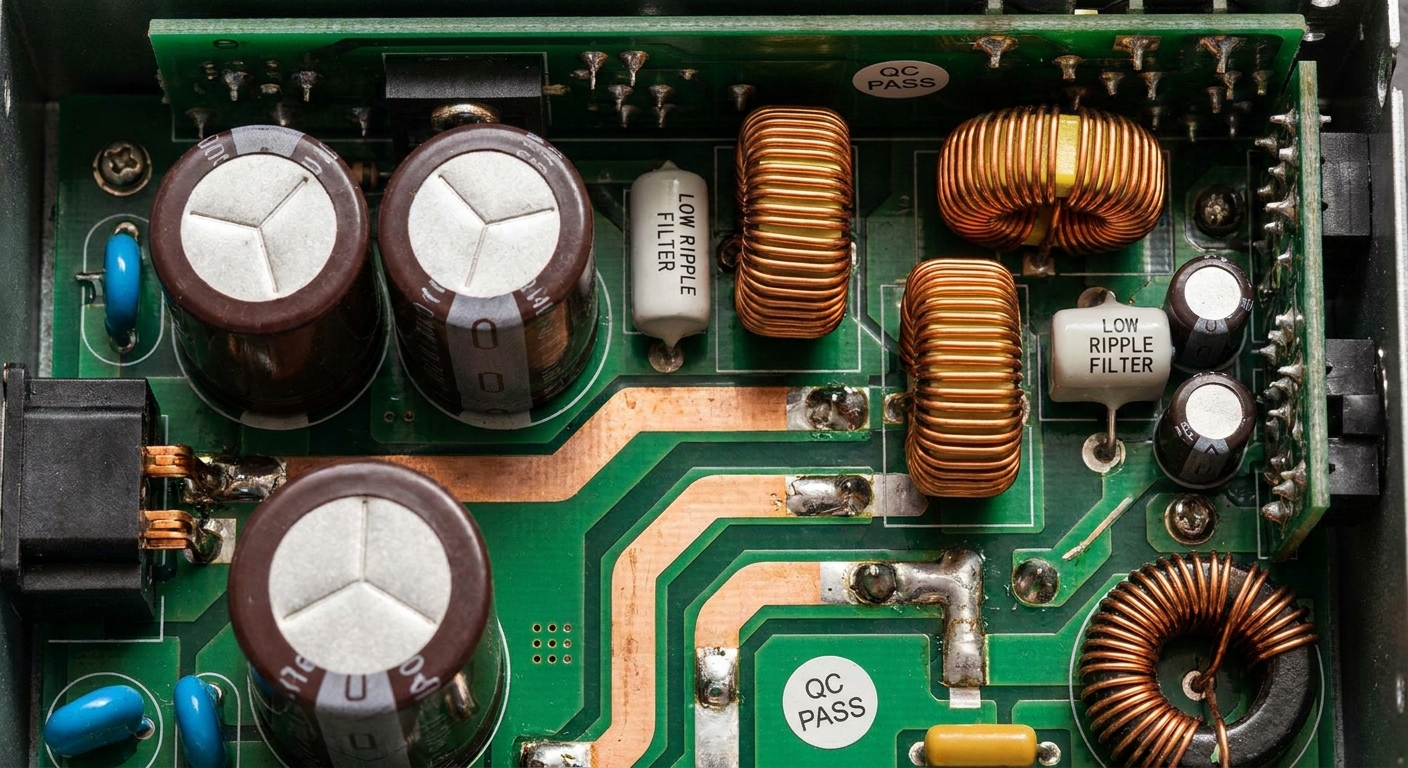
Low-ripple designs are essential for a medical grade power adapter because they protect sensitive diagnostic electronics from signal degradation. Ripple refers to the tiny fluctuations in the DC output voltage. In a high-resolution ultrasound or ECG machine, high ripple can manifest as “snow” on the screen or inaccurate spikes in a patient’s heart rate data.
Protecting sensitive diagnostic components
Advanced filtering stages are built into these adapters to smooth out the power delivery. You see, a “clean” power source extends the lifespan of the medical device’s internal components by reducing heat and electrical stress. This is why specialized desktop power adapters are often preferred for stationary diagnostic equipment.
- Precision Filtering: Multi-stage LC filters that remove high-frequency noise.
- Voltage Regulation: Keeping the output within +/- 2% of the target value.
- Load Transient Response: How quickly the adapter reacts when the device turns on a motor or a bright screen.
- Input EMI Filtering: Prevents the adapter from being affected by “dirty” power from the wall outlet.
| Performance Metric | Medical Standard | Consumer Standard | |
|---|---|---|---|
| Ripple & Noise | < 50mVp-p | 100-200mVp-p | |
| Voltage Accuracy | +/- 1% | +/- 5% | |
| Efficiency | Level VI (90%+) | Level V (80%+) |
Low ripple is the “silent” specification that determines whether a medical device provides a clear, reliable diagnostic result or a noisy, unusable signal.
Key Takeaway: A clean power signal is mandatory for any device that measures or visualizes delicate biological data.
What environmental certifications apply to medical adapters?
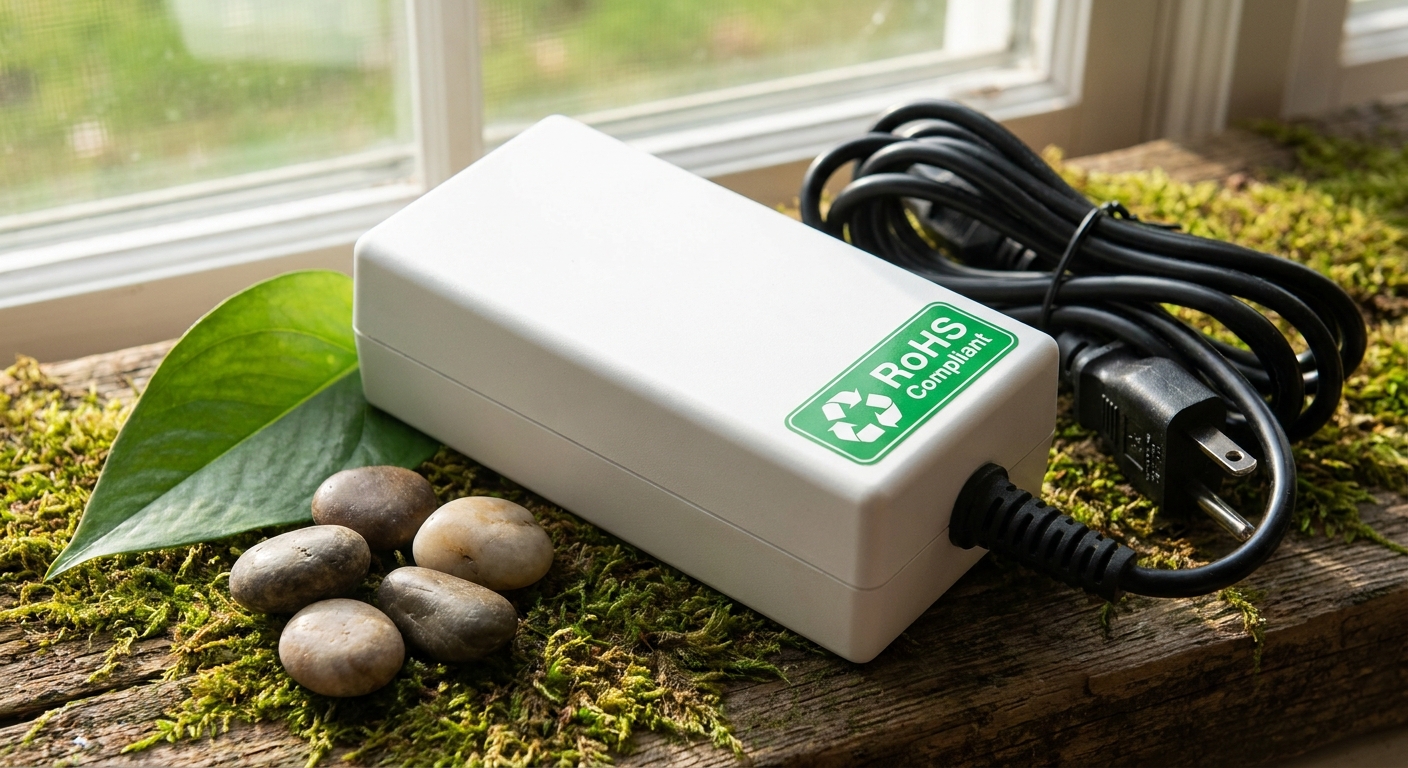
Environmental certifications for a medical grade power adapter include RoHS and REACH, which restrict the use of hazardous substances. Because medical devices are often used in sterile environments, it is vital that the materials used in the power supply don’t “outgas” toxic chemicals. Additionally, high energy efficiency ratings (like Level VI) are now required to minimize the carbon footprint of healthcare facilities.
RoHS compliance and hazardous material rules
RoHS (Restriction of Hazardous Substances) ensures that the lead, mercury, and cadmium found in older electronics are eliminated. This is particularly important for home healthcare devices that might be handled by children or elderly patients. Manufacturers are also moving toward halogen-free materials to further improve the safety profile of their products.
- RoHS Compliance: Guaranteed absence of 10 restricted heavy metals and chemicals.
- REACH Regulation: Monitoring and controlling the use of all chemical substances.
- WEEE Directive: Rules for the responsible recycling of electronic waste.
- Energy Efficiency VI: Maximizing power conversion while minimizing “vampire” power draw.
| Regulation | Scope | Benefit | |
|---|---|---|---|
| RoHS | Toxic Materials | Safer patient contact | |
| Energy Level VI | Efficiency | Lower operating costs | |
| REACH | Chemical Content | Better environmental health |
Environmental compliance is no longer just an “extra”; it is a core part of the regulatory approval process for modern medical equipment.
Key Takeaway: Sustainable and non-toxic materials are critical for ensuring the power supply is safe for both the patient and the planet.
Frequently Asked Questions
Can I use a high-quality industrial adapter for a medical device?No, industrial adapters do not meet the 2xMOPP isolation or the strict leakage current limits required for patient safety. Using them can lead to regulatory failure and significant safety risks.
Can I get a custom connector for my medical device?Most medical-grade manufacturers offer OEM/ODM services where they can customize the DC tip, cable length, and even the casing color to match your specific branding and device needs.
How do I know if an adapter is truly 2xMOPP certified?You should always request the formal “CB Report” and the safety certificates from the manufacturer. True medical adapters will also have the specific IEC 60601-1 certification mark printed clearly on their label.
Do medical power adapters require special maintenance?While the adapters themselves are maintenance-free, they should be inspected periodically for cable fraying or casing cracks, as these can compromise the safety isolation barriers over time.
What is the “Aging Test” mentioned in medical manufacturing?It is a process where the adapter is run at 100% capacity in a high-temperature chamber for several hours. This ensures the unit can handle the thermal stress of real-world hospital operation without failing.
Power Your Innovation Safely
Selecting the right power partner is the most critical decision in your product development lifecycle. At Merryking, we specialize in high-reliability power solutions that meet every global medical standard, ensuring your technology is as safe as it is effective. If you are ready to secure a compliant, high-performance power solution for your next project, please contact us today for expert guidance.