The power plugs and sockets of the world form a complex, fragmented web of over 15 distinct electrical standards, requiring precise manufacturing compatibility to prevent global device failures and customs delays. For B2B importers and hardware engineers, sourcing a reliable power supply for specific regions can be an administrative and technical minefield.
A single uncertified shipment can lead to devastating consequences like cargo seized at customs, expensive product recalls, or catastrophic field failures. Partnering with an experienced, ISO-certified manufacturer to secure a custom-engineered thailand power adapter eliminates regulatory friction and streamlines your international supply chain. This comprehensive technical guide analyzes global plug dynamics, focusing on Southeast Asian standards to ensure your next bulk procurement is fully optimized and compliant.
Why choose a Thailand power adapter?
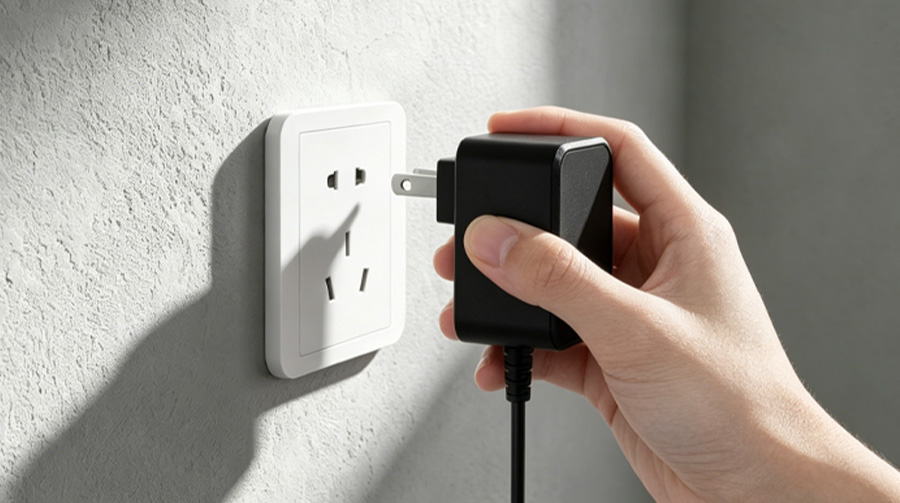
Choosing a certified thailand power adapter guarantees absolute electrical compatibility and seamless power delivery across the unique grid infrastructure of Southeast Asia. Selecting a localized power source ensures your commercial systems do not face sudden voltage irregularities. This engineering choice is critical if you are looking to secure a foothold in rapid-growth markets.
What are the unique Thailand plug standards?
You need to understand how the standard Type O configuration has taken over Thailand’s modern grid system. This grounded 3-pin setup is specifically designed to fit hybrid sockets that also accept older Type A and Type C plugs.
Think about it:
- Type O: Grounded 3-pin configuration rated up to 16A with safety sleeves.
- Type A & B: Legacy configurations with flat pins that lack modern insulation.
- Type C: European ungrounded dual round pins used in low-power setups.
You must verify the exact pin diameter and spacing before finalizing bulk orders. This avoids dangerous loose connections and potential electrical arcing.
Compatibility with global voltage levels
You can easily protect your expensive hardware from power surges by matching Thailand’s standard grid conditions of 220V at 50Hz. If your equipment is engineered for different global standards, ensuring proper compatibility is vital.
Here is the thing:
- Voltage Level: 220V AC with nominal fluctuations of ±10%.
- Grid Frequency: 50Hz requiring specific internal transformer winding designs.
- Tolerances: Dielectric withstand thresholds must handle Southeast Asian grid spikes.
You should ensure your manufacturer uses dual-voltage components to maintain operating stability in the field. Failing to plan for these factors can lead to overheating or dielectric breakdowns inside your systems.
What drives B2B demand in Southeast Asia?
You will discover that the rapid industrialization of Thailand’s digital infrastructure is creating a critical bottleneck in the supply of high-efficiency power converters. Sensitive networking systems require stable voltage to operate without sudden downtime.
But that is not all:
- Industrial Automation: Modern PLCs require clean, low-ripple power lines.
- Smart City Upgrades: Sourcing external certified power adapters for public IoT sensors.
- Data Infrastructure: Huge spikes in B2B demand for highly reliable desktop power bricks.
You should act quickly to secure your adapter supplies before local market shortages affect your timelines.
Key Takeaway: Sourcing adapters that natively handle 220V/50Hz with dual-compatibility pin structures is vital to capturing the fast-growing Southeast Asian industrial market.
| Technical Metric | Value/Standard | Industrial Significance | |
|---|---|---|---|
| Grid Voltage | 220V AC (±10% Tolerance) | Dictates the dielectric withstand voltage thresholds. | |
| Standard Frequency | 50 Hz | Impacts transformer coil sizing and magnetic core selection. | |
| Primary Plug Type | Hybrid Type O / Type B | Mandates specific contact pin safety sleeves. |
This critical market gap demonstrates that local digital upgrades require highly efficient power converters designed specifically for regional grid constraints.
Where to source a Thailand power adapter?
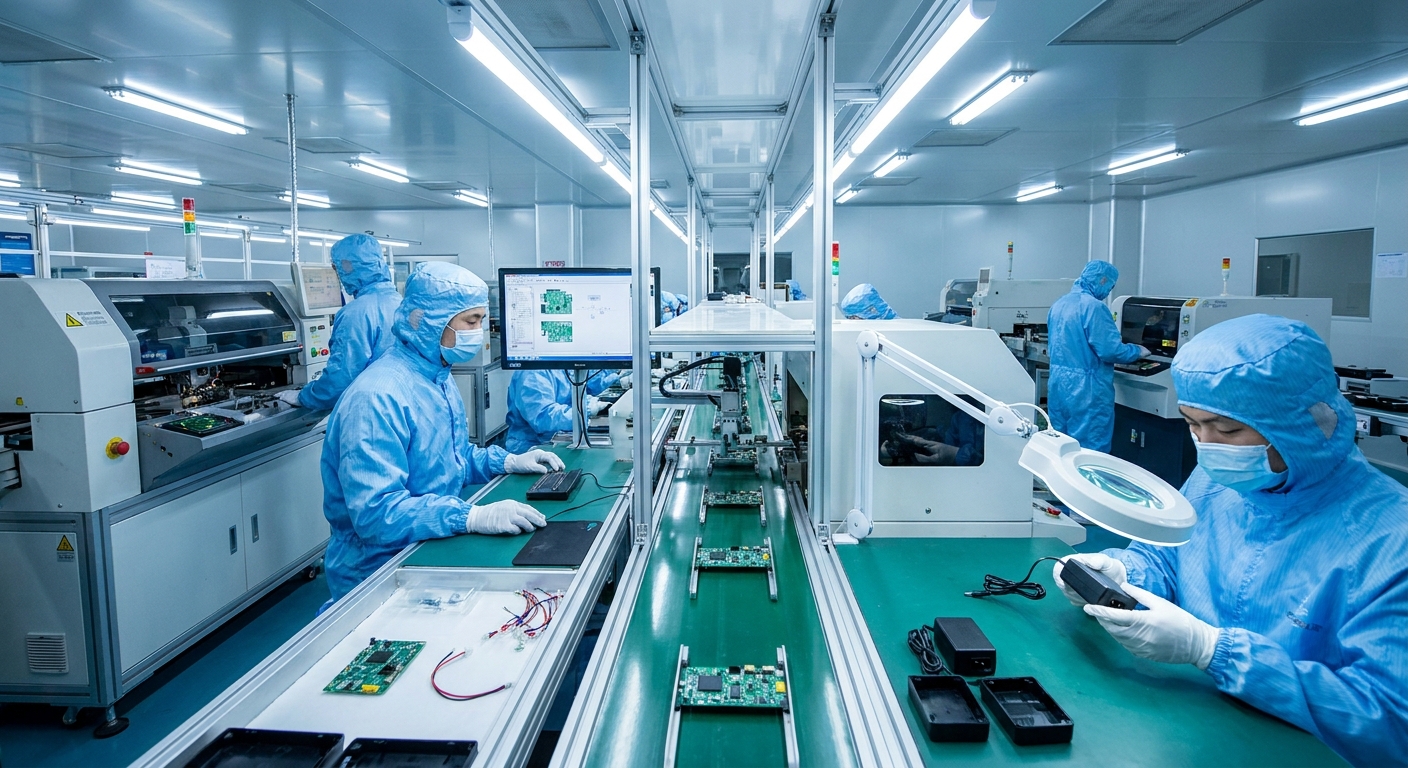
Sourcing a reliable thailand power adapter directly from an ISO-certified direct OEM factory protects your supply chain from sudden hardware defects. This direct manufacturing approach gives you full control over product certification, quality consistency, and custom modifications. It helps you bypass unnecessary middlemen trading markups.
Finding certified manufacturing partners
You must focus on sourcing premium power supplies from vetted, vertically integrated factories to maintain strict quality standards. This direct oversight ensures every single batch meets your rigid design specifications.
Think about this:
- Cleanroom Assembly: Prevents microscopic dust from causing short circuits on PCBs.
- Automated Optical Inspection: Eliminates human error during high-volume component soldering.
- Component Traceability: Guarantees that only authentic, certified capacitors are used.
You will benefit from establishing direct communications with the factory’s design engineering team.
Can you trust online wholesale directories?
You face severe risks of receiving low-quality components if you rely solely on unverified middleman trading companies on generic directories. Direct manufacturers provide custom tooling and long-term warranties that middlemen simply cannot offer.
Let’s face it:
- High Markups: Middlemen add substantial hidden fees to your unit costs.
- Zero Accountability: Sourcing agents cannot provide custom engineering fixes or TIS compliance assistance.
- Supply Delays: Communication chains are delayed when dealing with non-manufacturing agents.
You need to partner directly with an actual factory to safeguard your bulk investment.
Evaluating supply chain stability for global logistics
You must evaluate how direct-to-factory agreements act as a buffer against logistics volatility and global raw material shortages. Securing direct contracts ensures your production schedule remains unaffected during copper or plastic supply crises.
But that is not all:
- Material Stocking: Certified factories hold raw material reserves to protect you from price spikes.
- Priority Production: Direct B2B clients receive production priority over spot-market buyers.
- Custom Logistics: Direct OEMs offer optimized packaging to lower your volumetric shipping costs.
You will find that logistical planning directly with the factory keeps your projects on schedule.
Key Takeaway: Bypass trading agents and source directly from certified OEMs to secure reliable component quality, transparent lead times, and direct engineering accountability.
| Sourcing Channel | Risk Profile | Lead Time Impact | Quality Guarantee | |
|---|---|---|---|---|
| Direct OEM Factory | Low | Predictable (4-6 weeks) | Direct Manufacturer Warranty | |
| Trading Company | High | Unpredictable (6-12 weeks) | Third-party dispute resolution | |
| Open Marketplace | Critical | Variable | None (Buyer beware) |
This logistics dynamic highlights how raw material fluctuations directly impact lead times and why direct-to-factory agreements protect B2B supply chains from volatile bottlenecks.
Is this Thailand power adapter safe?
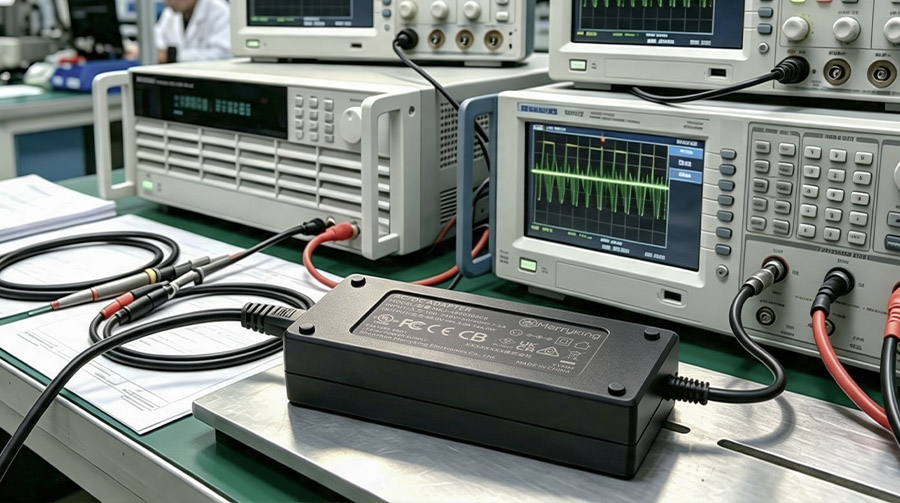
A certified thailand power adapter is extremely safe because it is built to satisfy rigorous Thai Industrial Standards Institute (TISI) guidelines and prevent catastrophic field failures. Implementing certified hardware mitigates the risk of electrical fire and equipment degradation. You must never compromise on electrical safety when selecting industrial equipment.
Understanding TIS certification requirements
You need to understand that the TIS 166-2549 certification is a strict legal mandate for electrical products imported into Thailand. This compliance protocol ensures that every imported power device has been fully vetted by the Thai Industrial Standards Institute.
Think about it:
- Mandatory Logo: Products must display the TISI mark clearly on their housing.
- Factory Audits: The certification requires direct inspections of production facility lines.
- Official Testing: Lab verification of pin pull-out forces and insulation durability is compulsory.
You can streamline this tedious regulatory process by choosing a manufacturer with existing certifications.
What are the risks of uncertified hardware?
You risk devastating operational failures and severe legal liabilities if you deploy uncertified adapters in commercial environments. Standardizing on low-grade power hardware exposes your brand to massive recalls and customs delays.
Here is the thing:
- Dielectric Breakdown: Poor isolation can lead to lethal electrical shocks for operators.
- Customs Seizure: Local port authorities will confiscate uncertified electronic shipments immediately.
- Brand Damage: Catastrophic field failures destroy your commercial reputation and customer trust.
You must prioritize safety by verifying the TIS compliance of your suppliers before purchasing.
Deciphering safety failure rates in high-load scenarios
You should analyze how cheap PCB layout practices directly correlate with high failure rates under heavy industrial loads. Proper mechanical and electrical design is the only way to eliminate these systemic vulnerabilities.
Let’s face it:
- PCB Arcing: Inadequate spacing between high-voltage traces causes destructive short circuits.
- Thermal Runaway: Cheap capacitors degrade rapidly under continuous heat, resulting in power failure.
- Insulation Failures: Low-cost plastic housings crack easily under mechanical and thermal strain.
You will drastically lower your RMA rates by demanding premium components and robust trace spacing.
Key Takeaway: TIS safety certification is a strict legal requirement in Thailand; choosing non-certified power hardware exposes your business to severe customs seizures and product liability lawsuits.
| Safety Parameter | Test Method | Compliance Threshold | Failure Consequence | |
|---|---|---|---|---|
| Dielectric Strength | Hi-Pot Test (AC/DC) | > 3000V AC for 60 seconds | Insulation breakdown, electrical shock | |
| Insulation Resistance | Megohmmeter Test | > 100 MΩ at 500V DC | Current leakage, system grounding faults | |
| Flammability Rating | Glow Wire Test | UL94 V-0 Rated Enclosures | Enclosure ignition during thermal overload |
These strict safety benchmarks illustrate how robust internal component engineering directly dictates long-term hardware survival in high-load settings.
Which Thailand power adapter fits best?
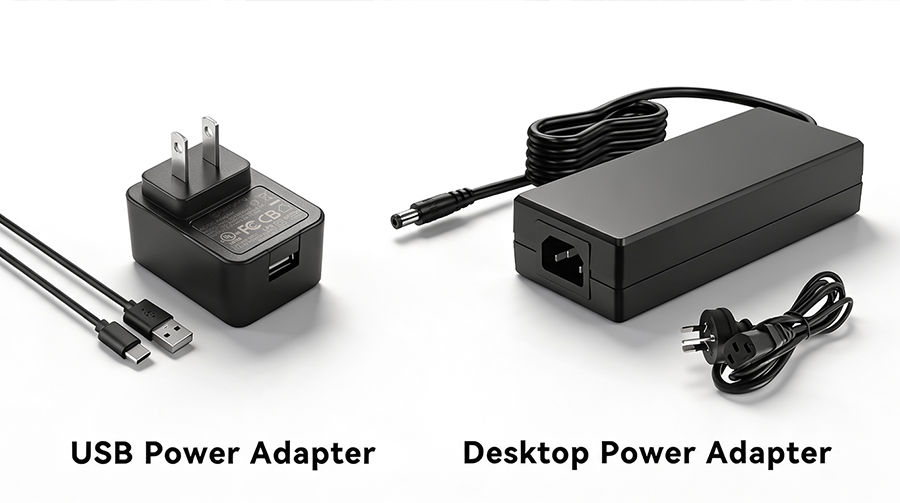
The thailand power adapter that fits your equipment best depends on your spatial limits, cooling environment, and device power requirements. Choosing the correct mechanical style guarantees seamless fitment inside busy data cabinets or industrial workspace configurations. You should analyze your workspace constraints before selecting a physical design.
Comparing Type A, B, C, and O configurations
You will find that selecting specialized wall-mount adapters helps maximize your outlet space while complying with modern, grounded Type O standards. This hybrid design allows your hardware to plug into older and newer outlets safely.
Think about this:
- Type A & B: Standard flat-pin designs common in North American applications.
- Type C: European two-pin ungrounded plugs popular for low-power consumer devices.
- Type O: The modern grounded 3-pin standard mandated for industrial deployments in Thailand.
You can prevent deployment issues by specifying Type O plugs for all Class I equipment.
Should you choose wall-mount or desktop models?
You must evaluate whether a wall-mount or desktop style is better suited for your thermal and spatial constraints. High-power systems require desktop units that can dissipate heat efficiently away from the outlet.
Here is the thing:
- Wall-Mount Units: Ideal for lower-power devices under 36W that require a compact footprint.
- Desktop Adapters: Perfect for high-power industrial machinery reaching up to 240W or more.
- Cable Ergonomics: Desktop adapters allow you to position the heat-generating block on the floor or rack.
You should match the adapter’s physical weight and dimensions to your installation environment.
Determining form factors for tight spatial constraints
You should investigate how modern server racks and medical carts restrict airflow, demanding compact power configurations to maintain cooling. Selecting ultra-slim profiles ensures your equipment remains functional in enclosed settings.
But that is not all:
- Low-Profile Housings: Prevents adjacent outlets from being blocked on power strips.
- Angled Connectors: Reduces stress on the power cable inside tight machinery enclosures.
- Passive Airflow: Maximizes cooling efficiency when forced airflow is not available.
You must coordinate the physical layout of your equipment with the spatial dimensions of the adapter.
Key Takeaway: Aligning adapter selection (wall-mount vs. desktop) with the mechanical constraints of your application prevents field deployment issues and optimizes thermal management.
| Adapter Style | Wattage Range | Primary Application | Key Advantage | |
|---|---|---|---|---|
| Wall-Mount | 5W – 36W | Consumer electronics, POS terminals | Compact footprint, no external AC cord | |
| Desktop | 45W – 240W | Industrial machinery, medical devices | High power output, superior heat dissipation | |
| Interchangeable | 5W – 30W | Global travel kits, mobile hardware | Swap plug prongs for multi-region use |
Analyzing spatial footprints reveals that mechanical integration is just as critical as electrical compliance when optimizing tight hardware deployments.
How to test a Thailand power adapter?
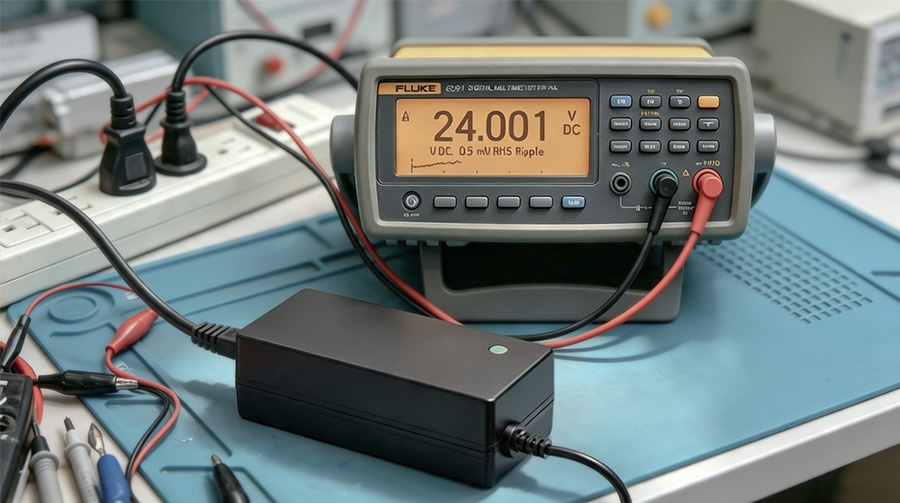
To verify and test a thailand power adapter properly, you must run extensive burn-in protocols, active load tests, and ripple noise measurements using precision laboratory equipment. Standardized testing guarantees long-term field reliability under high-stress operating conditions. You will significantly reduce your return rates by demanding transparent testing protocols.
Executing comprehensive burn-in and load tests
You can easily eliminate weak components early in production by running power devices at 100% capacity for several hours. This critical quality control step exposes manufacturing faults before the shipment leaves the factory floor.
Think about it:
- Active Load Cabinets: Simulates extreme real-world operating conditions continuously.
- High Temperature: Testing inside chambers reaching up to 40°C or higher.
- Voltage Monitoring: Detecting potential drops or ripple surges during continuous operation.
You will ensure near-zero infant mortality rates by demanding 100% full-load burn-in testing.
How do laboratories verify efficiency ratings?
You should verify that your power devices comply with international energy-efficiency standards like US DoE Level VI. Precision power analyzers are required to measure input and output power accurately.
Here is the thing:
- No-Load Consumption: Ensuring standby power draw is minimized to prevent energy waste.
- Active Mode Efficiency: Measuring performance across varying loads from 10% to 100%.
- Harmonic Distortion: Analyzing power quality to verify the grid is not negatively affected.
You must select highly efficient adapters to reduce long-term operating costs and satisfy global regulations.
Correlating test metrics with field reliability data
You must evaluate how accelerated life testing identifies physical design weaknesses long before your systems reach field deployment. Correlating lab stress metrics with real-world workloads is vital for your long-term planning.
Let’s face it:
- HALT Testing: Subjecting power units to rapid temperature swings and intense mechanical vibration.
- MTBF Modeling: Calculating the mean time between failures using strict mathematical standards.
- Solder Integrity: Checking for micro-cracks in electrical joints caused by thermal cycling.
You will sleep easier knowing your hardware has passed rigorous environmental stress testing.
Key Takeaway: Rigorous factory-level testing—including 100% full-load burn-in testing—is the only way to guarantee a low Return Merchandise Authorization (RMA) rate for bulk power shipments.
| Quality Test Type | Equipment Used | Operational Duration | Target Pass Criteria | |
|---|---|---|---|---|
| Burn-In Testing | Active Electronic Load Cabinets | 2 to 4 Hours (Continuous) | Zero voltage drop, stable housing temp | |
| Ripple & Noise | 20MHz Oscilloscope | Real-time | Output ripple < 120mV Peak-to-Peak | |
| Drop Testing | Automated Drop Tester | 10 Drops from 1-meter height | No structural cracks, functional output |
This high-standard test regime demonstrates how predictive diagnostics prevent costly product recalls before the hardware leaves the factory floor.
What is a Thailand power adapter standard?
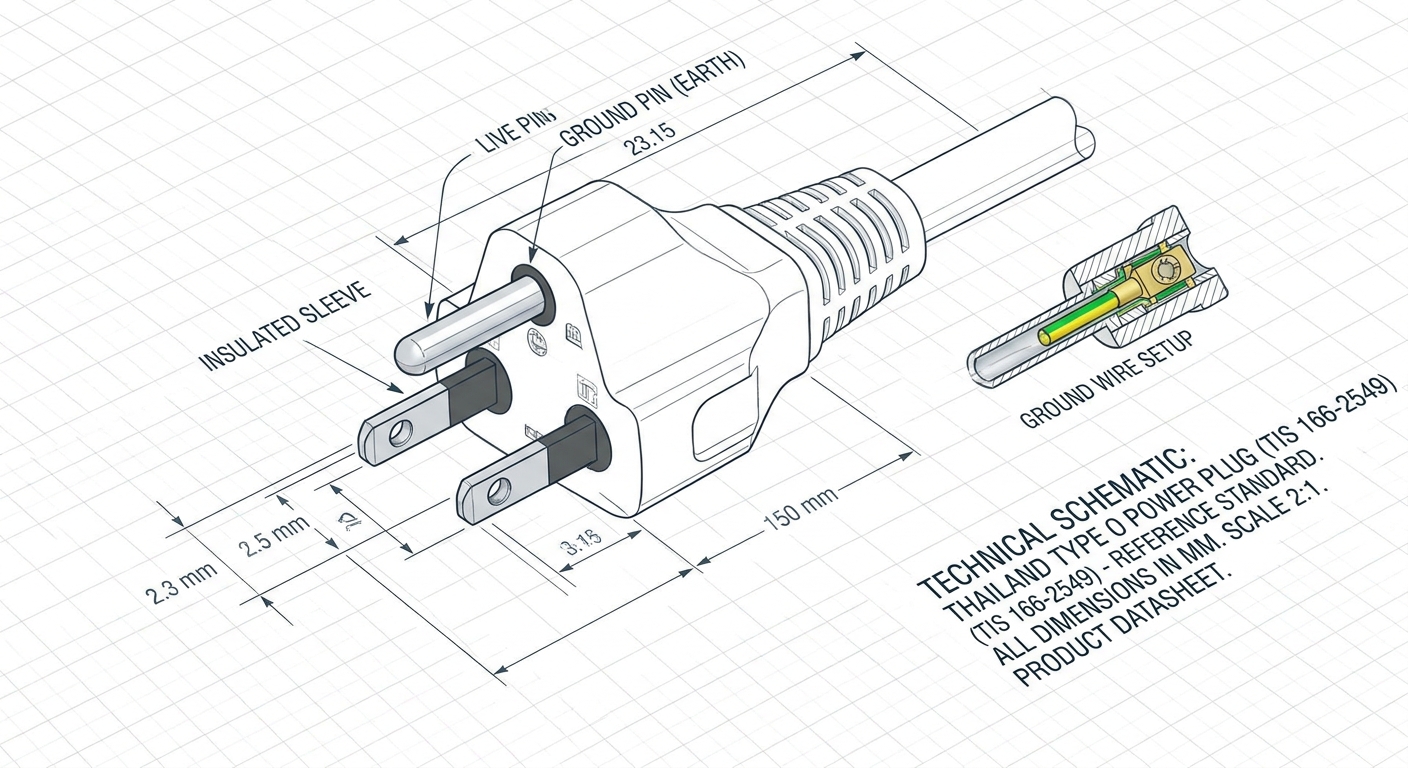
The standard for a thailand power adapter is defined under the TIS 166-2549 legislative framework to enforce absolute electrical safety and component compatibility. Understanding these legal specifications is critical when importing consumer or industrial hardware into Southeast Asian ports. It ensures your products can legally enter the regional market.
Decoding the TIS 166-2549 legislative framework
You must realize that the TIS 166-2549 framework is the foundational law governing plugs and sockets in Thailand. This legislation specifies exact dimensions and tolerances to ensure high-voltage safety.
Think about this:
- Insulated Sleeves: Mandates plastic insulation on live and neutral pins to prevent finger contact shocks.
- Pin Tolerances: Restricts dimensions to ensure a tight, secure fit within wall sockets.
- Material Quality: Dictates the use of high-grade copper alloys to reduce contact resistance.
You should verify that your Class I devices utilize high-reliability desktop adapters to meet these standards.
Why is the ground pin standard changing?
You will discover that the transition to a compulsory grounded Type O standard prevents dangerous electrostatic discharge in industrial setups. This grounding path is crucial for protecting sensitive medical and computing hardware.
Here is the thing:
- Dedicated Path: The solid middle pin diverts fault currents directly to the earth.
- Static Control: Eliminates electrostatic build-up that can corrupt sensitive computer data.
- Operator Safety: Reduces the risk of mild to severe shocks from metal enclosures.
You must choose grounded plugs for any equipment operating in industrial or medical environments.
Assessing the legislative roadmap for plug designs
You need to monitor how Southeast Asian regulatory agencies are updating safety laws, which forces international companies to redesign obsolete tooling. Staying ahead of these legal updates prevents sudden supply chain blockages.
But that is not all:
- Unified Standards: Harmonizing regional standards with global IEC guidelines over time.
- Stricter Audits: Increased frequency of direct factory inspections by local authorities.
- Label Updates: Requiring new warning labels and updated compliance marks on packaging.
You should build a long-term relationship with an adaptable manufacturer who monitors regulatory changes proactively.
Key Takeaway: Compliance with TIS 166-2549 is essential for legally importing and distributing power supplies in Thailand, with a strong focus on insulated pins and grounded Type O connections.
| Clause / Metric | Legislative Mandate | Technical Requirement | Operational Purpose | |
|---|---|---|---|---|
| Pin Insulation | Mandated on Live & Neutral | Plastic sleeve on base of pins | Prevents accidental finger-contact shocks | |
| Grounding Pin | Compulsory for Class I | Central solid copper alloy pin | Diverts fault currents safely to the ground | |
| Plug Pull-out Force | 1.5 kg to 5.5 kg pull resistance | Tight internal socket tolerance | Prevents loose contacts and electrical arcs |
This legislative trend suggests that safety regulations in Southeast Asia are aligning closer with global standards, forcing legacy hardware to update.
Can a Thailand power adapter run cool?
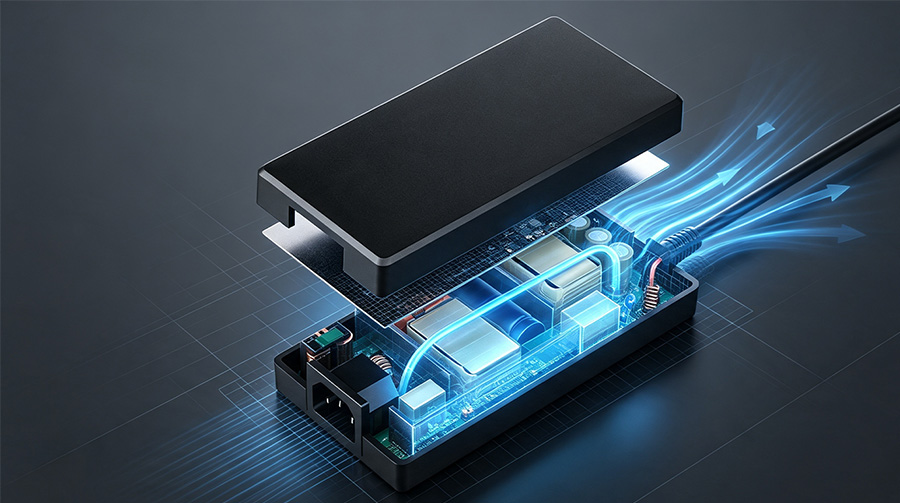
A high-quality thailand power adapter can run cool by utilizing advanced thermal management systems, high-temperature internal components, and efficient heat sink designs. Minimizing thermal buildup is critical to preventing component degradation in hot tropical climates. You will see much better operating stability if you prioritize high-efficiency components.
Implementing advanced thermal management systems
You will achieve significantly cooler running temperatures by using high-efficiency switch-mode power supply (SMPS) architectures. Well-engineered internal layouts isolate heat-generating components to extend the life of surrounding capacitors.
Think about it:
- Active Heat Sinks: Using high-grade copper or aluminum to pull heat from hot transistors.
- Optimized Layouts: Placing sensitive electrolytic capacitors away from hot transformers.
- High-Temperature Parts: Specifying components rated for continuous use at 105°C.
You must insist on high-efficiency thermal designs to maintain system stability in hot tropical climates.
What causes thermal runaway in power supplies?
You face severe performance degradation when unchecked heating creates a loop of decreasing efficiency and higher temperatures. Incorporating active protection circuits is critical to preventing this catastrophic loop.
Here is the thing:
- Compounding Heat: Silicon resistance increases with temperature, which generates even more heat.
- Over-Temperature Protection: Intelligent ICs that automatically shut down the adapter if it overheats.
- Flame-Retardant Casings: PC/ABS materials that prevent fire propagation during severe failures.
You should ensure your adapters have full over-current, over-voltage, and thermal protection.
Mathematical modeling of heat dissipation in plastic shells
You can optimize heat dissipation without relying on noisy cooling fans by using advanced CAD thermal simulation tools during early development stages. This ensures passive cooling is highly effective inside compact housings.
Let’s face it:
- CAD Simulations: Predicting airflow and thermal hotspots before building expensive molds.
- Convective Heat Flow: Designing external ventilation slots that encourage hot air to rise.
- Polymer Chemistry: Selecting plastics with high thermal conductivity to dissipate heat.
You will reduce system noise and mechanical failure rates by opting for fanless, passively cooled adapters.
Key Takeaway: Selecting power adapters built with high-tier components and intelligent thermal protection circuits guarantees cool operation and a long operational lifespan in hot environments.
| Thermal Component | Standard Material | Premium Grade Alternative | Thermal Efficiency Gain | |
|---|---|---|---|---|
| Enclosure Plastic | Standard ABS | Polycarbonate (PC) / UL94 V-0 | Higher heat resistance & self-extinguishing | |
| Internal Heat Sinks | Stamped Aluminum | Extruded Copper | ~40% improvement in thermal conductivity | |
| Thermal Interface | Standard Silicon Pads | Phase-Change Materials (PCM) | Eliminates microscopic air gaps for better cooling |
These thermodynamic models show that passive cooling designs rely heavily on casing materials to prevent dangerous thermal runaway.
Who designs the best Thailand power adapter?
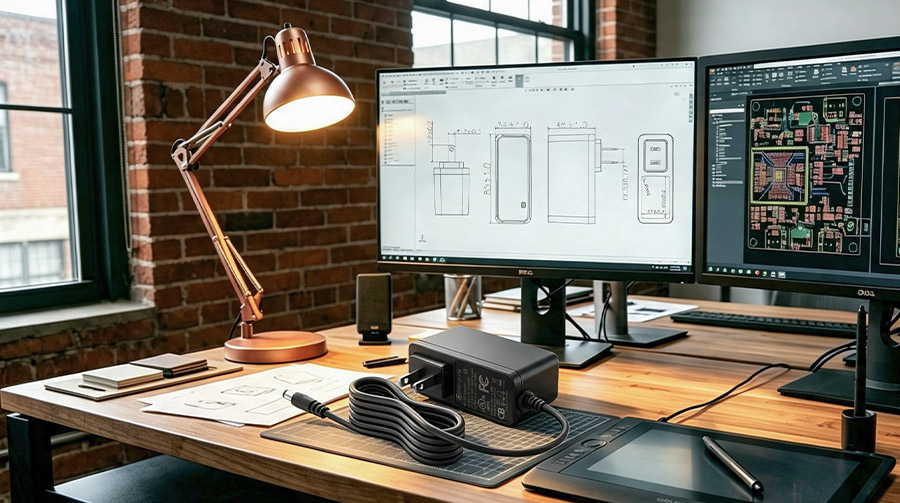
An experienced ISO-certified factory like MK Power designs the best thailand power adapter by combining decades of R&D with professional tooling capabilities. Working with direct designers ensures your specific mechanical enclosures and custom voltage outputs are crafted flawlessly. You will save valuable development time by utilizing our proven design expertise.
Identifying OEM vs. ODM manufacturing capabilities
You can choose between OEM customization and full ODM engineering depending on your budget and proprietary design needs. For projects requiring maximum deployment flexibility, you can utilize interchangeable plug systems to simplify global inventory management.
Think about this:
- OEM Customization: Tweaking existing circuit layouts and cable lengths for quick deployment.
- ODM Engineering: Ground-up development of bespoke electrical architectures and custom plastic enclosures.
- Tooling Investments: Balancing upfront molding costs against the advantages of custom form factors.
You should assess your internal design resources before choosing a development path.
Can custom molding solve your housing requirements?
You can easily elevate your brand image by designing custom plastic enclosures that feature your corporate logo and unique physical dimensions. This custom design is highly valuable when fitting adapters into proprietary device slots.
Here is the thing:
- Embossed Logos: Delivers a premium, professional look directly on the adapter housing.
- Bespoke Footprints: Modifying the plastic shell to fit narrow server rack brackets.
- Rapid Prototyping: Utilizing 3D printing to test mechanical fitment before committing to hard tooling.
You must budget for initial mold design costs to achieve a truly integrated product look.
Benchmarking design methodologies against failure modes
You can prevent systemic errors in high-volume production by running a Failure Mode and Effects Analysis (FMEA) during early engineering phases. This detailed look at components stops defects before they ever happen.
But that is not all:
- FMEA Analysis: Mathematically scoring the severity and likelihood of component failure modes.
- Worst-Case Simulation: Stressing virtual designs under extreme electrical and thermal overload.
- Design Redundancy: Adding secondary safety pathways to prevent total system failure.
You will ensure extreme durability by partnering with designers who use advanced FMEA methodologies.
Key Takeaway: Choose a manufacturer with robust in-house R&D and tooling capabilities to ensure smooth design modification, rapid prototyping, and consistent high-volume production.
| Development Stage | OEM Approach | ODM Approach | B2B Strategic Choice | |
|---|---|---|---|---|
| R&D Tooling Cost | Low (Utilizes existing molds) | High (Requires custom molds) | OEM for budget; ODM for unique designs | |
| Time-to-Market | Fast (2-4 weeks prototyping) | Slow (3-6 months development) | OEM for tight schedules; ODM for custom specs | |
| IP Ownership | Factory-owned design | Co-owned or Buyer-owned design | ODM is preferred for patented designs |
This structural design process indicates that early-stage failure analysis is crucial for ensuring the manufacturing consistency of custom housings.
Why buy a bulk Thailand power adapter?
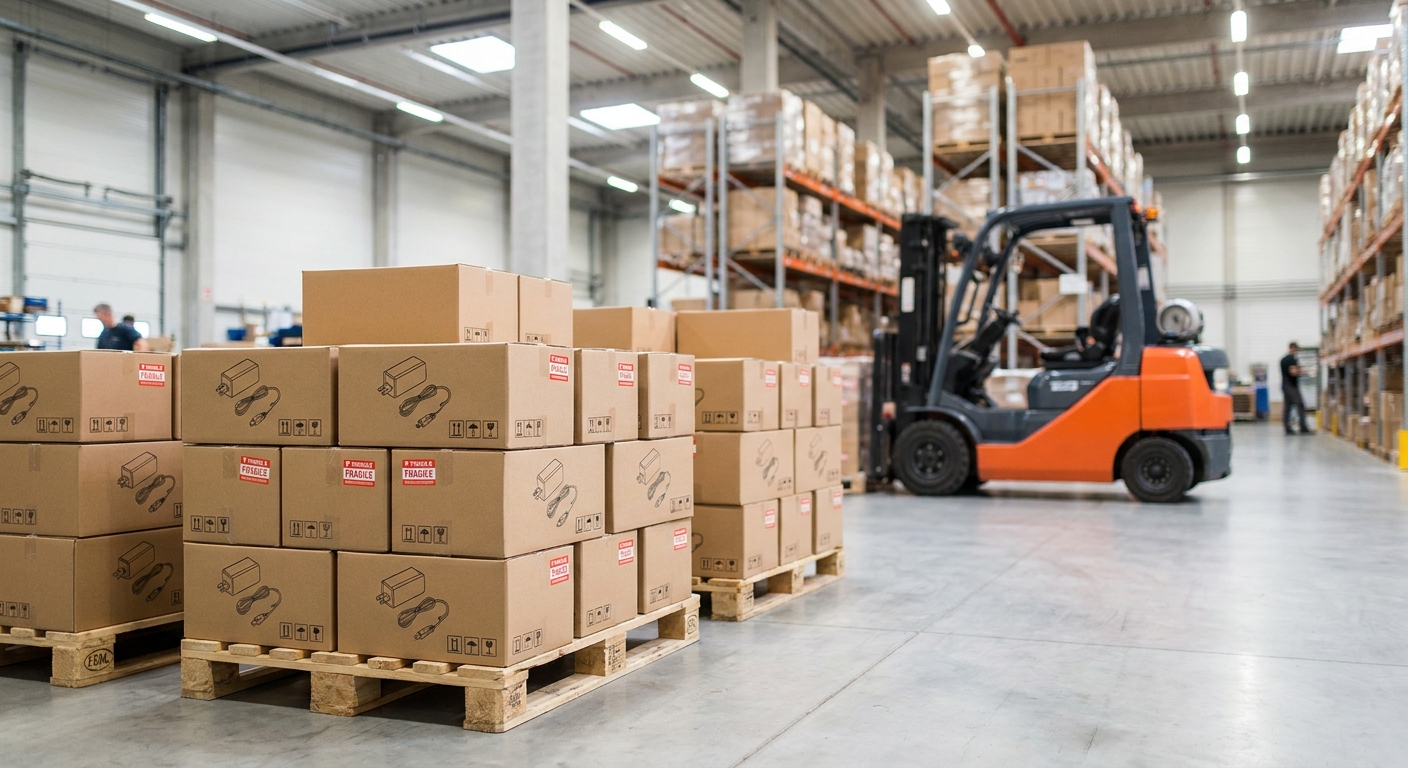
Buying a bulk thailand power adapter shipment is highly advantageous because large-scale volume orders significantly lower unit costs and maximize shipping container efficiency. Securing bulk supplies ensures that your commercial assembly lines never suffer from unexpected component shortages. You should calculate the long-term margin advantages of larger order runs.
Calculating the unit cost margins of scale
You will realize immediate financial benefits as higher production volumes allow your manufacturing partner to buy raw materials at massive discounts. This lower base cost directly improves your final market pricing.
Think about it:
- Bulk Materials: Purchasing copper, silicon, and plastics in huge quantities lowers individual unit costs.
- Machine Setup: Spreading the initial automated SMT programming costs over thousands of finished units.
- Labor Optimization: Streamlining manual assembly line operations to maximize hourly output.
You can drastically improve your gross margins by optimizing order sizes to meet factory sweet spots.
How do tariffs affect global bulk procurement?
You can bypass high trade barriers by shipping directly from highly competitive manufacturing centers located within Southeast Asia. Navigating these regional tax treaties protects your product margins.
Here is the thing:
- ASEAN Treaties: Leveraging regional trade agreements to minimize import duties.
- HS Code Verification: Classifying your adapters correctly to avoid unexpected port taxes.
- Direct Routes: Shipping directly from the source country to your main distribution centers.
You must study import tariffs before choosing your manufacturing and shipping locations.
Optimizing container load factors for transport cost
You will lower your shipping costs by using custom box configurations that maximize every square inch of container space. Smart packing arrangements are highly effective at lowering your total cost per unit.
Let’s face it:
- Pallet Standardization: Matching master cartons perfectly with standard ocean pallet dimensions.
- Volumetric Efficiency: Minimizing empty space inside individual retail packaging.
- Full Container Loads: Utilizing FCL shipping to enjoy lower logistics rates than LCL.
You should consult with logistics engineers to design packaging that minimizes wasted shipping volume.
Key Takeaway: Placing large, consolidated orders not only reduces the per-unit cost of your power supplies but also distributes fixed shipping and customs clearance expenses over a larger volume.
| Order Quantity (MOQ) | Unit Price Impact | Quality Control Consistency | Shipping Method Suitability | |
|---|---|---|---|---|
| 500 – 1,000 Units | Baseline Pricing | Standard Batch Testing | Air Freight / LCL (Less than Container) | |
| 1,000 – 5,000 Units | 8% – 12% Discount | Enhanced Quality Auditing | LCL / FCL (Full Container Load) | |
| 5,000+ Units | 15% – 22% Discount | Dedicated Production Line | FCL Shipping (Sea / Rail) |
This container loading analysis shows that small, smart changes in carton dimension design can save thousands of dollars in global logistics fees.
How to import a Thailand power adapter?

You can import a bulk thailand power adapter order successfully by registering your certifications with Thai customs and selecting the most secure international shipping Incoterms. Proper logistical planning keeps your shipments moving through the port without unexpected fees or administrative delays. You should always double-check the paperwork before shipping.
Navigating Thai customs and certification clearances
You must ensure all safety certification documents match your customs manifest exactly to prevent expensive delays at destination ports. Having complete, verified paperwork is the best way to speed up clearance.
Think about this:
- Clear Manifests: Double-checking that HS codes match electronic adapter classifications perfectly.
- Certified Registration: Registering your TIS certifications with Thai customs before the cargo arrives.
- Storage Penalties: Avoiding long delays that lead to high port demurrage and storage fees.
You will achieve smoother customs clearance by keeping compliance documents organized and accessible.
What are the key shipping incoterms to use?
You should choose between FOB, CIF, or DDP terms depending on how much control you want over the global shipping process. Selecting DDP terms is highly recommended if you prefer a hassle-free, door-to-door delivery.
Here is the thing:
- FOB (Free on Board): Gives you maximum control over ocean freight rates and logistics agents.
- CIF (Cost, Insurance, Freight): The seller handles transport to the destination port, including basic insurance.
- DDP (Delivered Duty Paid): The manufacturer assumes all transit risk, customs duties, and import clearance.
You must weigh the costs and convenience of each Incoterm to optimize your logistics budget.
Establishing a robust risk mitigation framework
You will secure your entire investment by scheduling pre-shipment inspections with third-party verification agencies before the cargo leaves the dock. These inspections confirm compliance and prevent the shipping of faulty products.
But that is not all:
- Random Sampling: Testing random adapters from the production line for electrical stability.
- Loading Inspections: Verifying that shipping cartons are loaded securely into dry containers.
- Cargo Insurance: Securing comprehensive marine insurance to cover any unexpected losses at sea.
You should implement a multi-layered quality check to ensure only flawless hardware reaches your customers.
Key Takeaway: Developing a detailed import plan with clear Incoterms and pre-vetted customs paperwork prevents expensive port storage fees and ensures on-time delivery.
| Selected Incoterm | Port Clearance Responsibility | Risk Transfer Point | Best Suited For | |
|---|---|---|---|---|
| FOB (Free on Board) | Buyer handles import clearance | Once loaded onto the vessel | Experienced buyers with trusted logistics networks | |
| CIF (Cost, Ins, Freight) | Buyer handles import clearance | Once loaded onto the vessel | Medium-sized shipments needing freight coverage | |
| DDP (Delivered Duty Paid) | Seller handles all customs/duties | Delivered directly to destination | Buyers wanting a hassle-free, door-to-door delivery |
These logistics considerations confirm that clear risk-transfer terms and direct import testing are key to managing international customs risks.
Conclusion
Sourcing power plugs and adapters for global markets requires navigating complex regional regulations, pin standards, and thermal performance demands. When importing into Southeast Asia, matching your hardware with a fully certified, high-performance power design is crucial for legal compliance, field reliability, and long-term customer trust.
At MK Power, we specialize in manufacturing premium, highly efficient, and fully certified power adapters designed to perform reliably in demanding environments. Our focus on engineering excellence, rigorous safety testing, and flexible OEM/ODM capabilities ensures your hardware stays safely powered, wherever it is deployed.
To secure custom design support, verify safety certifications, and discuss B2B volume pricing for your next project, contact us today and speak directly with one of our power supply engineers.
Frequently Asked Questions (FAQ)
Can I use a Type C plug in a modern Thailand power outlet?
Yes, modern Thailand wall sockets are designed to accept ungrounded, two-pin European Type C plugs. However, for industrial hardware or high-power electronics, a grounded Type O or Type B plug configuration is legally required to ensure user safety and proper equipment grounding.
What’s the best way to ensure a Thailand power adapter passes TIS inspection?
Absolutely, partnering directly with an ISO 9001-certified factory is the only foolproof method. The manufacturer must handle the entire TIS certification process, provide official TIS test reports, support factory audits by Thai inspectors, and apply the certified TISI mark to the product labels before shipping.
How do I know if my Thailand power adapter requires a grounding pin?
Yes, you can determine this by evaluating your end-device’s safety class. If your hardware features a metal chassis, operates in a damp environment, or draws high power, it belongs to Class I safety standards and must use a 3-pin grounded Type O plug. Double-insulated Class II devices can safely run ungrounded.
Can I source custom cable lengths for B2B adapter shipments?
Yes, established OEM power manufacturers allow complete customization of AC and DC cable lengths, wire gauges, and output connectors. This lets you tailor the physical layout to fit the exact spacing constraints of your commercial hardware setup.
What’s the best lead time expectation for bulk OEM power adapter production?
Absolutely, planning for a four-to-six-week timeframe is the ideal standard for bulk production. This covers plastic injection molding, PCB assembly, automated optical testing, and safety certifications, though highly customized designs requiring new molds or unique approvals may take twelve to sixteen weeks.