Problem: Selecting a power supply for healthcare applications is a high-stakes decision where a single oversight can lead to catastrophic equipment failure, electrical shock, or legal liability. Standard commercial power units lack the rigorous isolation and protection levels required to operate safely in close proximity to patients and sensitive diagnostic sensors.
Agitate: If you choose an inferior component, you risk more than just a short circuit. You face the possibility of patient injury due to leakage current, interference with life-critical signals, and expensive recalls when your device fails to pass stringent medical certification audits. Every day your product spends in redesign or re-testing is a day of lost revenue and diminished reputation in the medical community.
Solution: By understanding the technical nuances of a high-quality medical power adapter , you can ensure patient safety, streamline your path to market, and build a device that stands the test of time. This guide explores the critical selection criteria you need to navigate the complexities of medical-grade power.
Why use a certified medical power adapter?
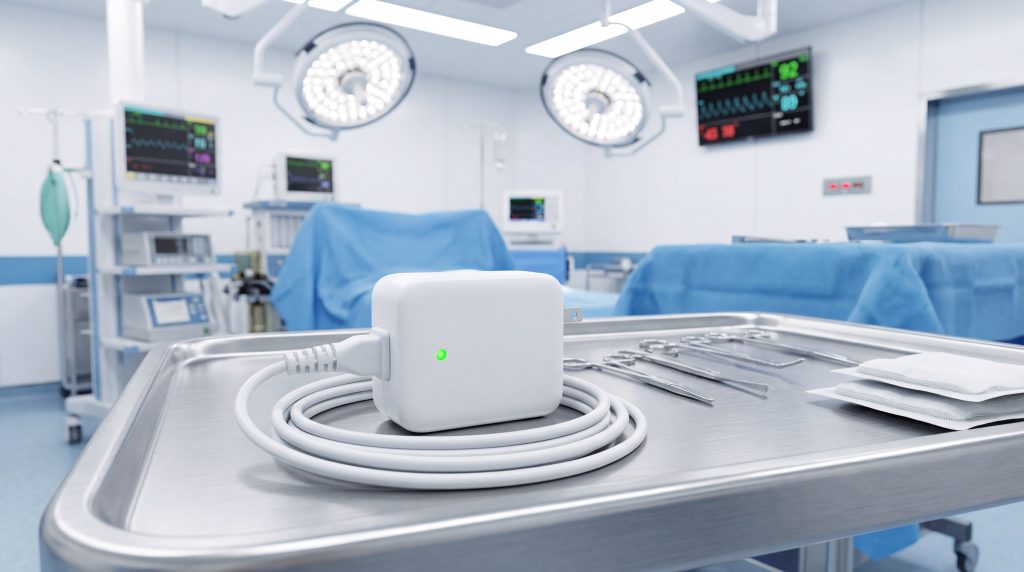
When you design for healthcare, patient safety is your primary directive. A specialized medical power adapter provides the necessary isolation barriers that commercial units ignore. These adapters are engineered to prevent electrical surges from reaching the user or patient, even during a single fault condition.
What is 2xMOPP isolation?
The 2xMOPP (Means of Patient Protection) standard requires two independent layers of insulation or a single reinforced insulation layer. This ensures that even if one barrier fails, the patient remains protected from dangerous voltages. It is the gold standard for devices with direct patient contact.
How does it protect patients?
By significantly reducing leakage current, these adapters prevent micro-shocks that could interfere with heart rhythms. This is critical during treatment or diagnostics where sensors are attached directly to the skin. Keeping this current below strict thresholds is a legal and ethical necessity.
Why is reliability essential for life-critical gear?
In hospital environments, power failure isn’t an inconvenience; it’s a hazard. Professional adapters utilize high-grade capacitors and robust architecture to ensure continuous operation. You cannot afford a shutdown when a device is monitoring a patient’s vital signs.
| Feature | Medical-Grade Requirement | Summary | |
|---|---|---|---|
| Isolation | 2xMOPP | Dual-layer protection for patient safety. | |
| Leakage Current | < 100µA | Minimal current flow to prevent shocks. | |
| Durability | MTBF > 100k hours | High reliability for critical environments. |
Key Takeaways:
- Prioritize 2xMOPP certification for any patient-contact device.
- Leakage current must be strictly controlled to meet medical safety standards.
- High-quality internal components are non-negotiable for long-term reliability.
What safety standards apply to a medical power adapter?
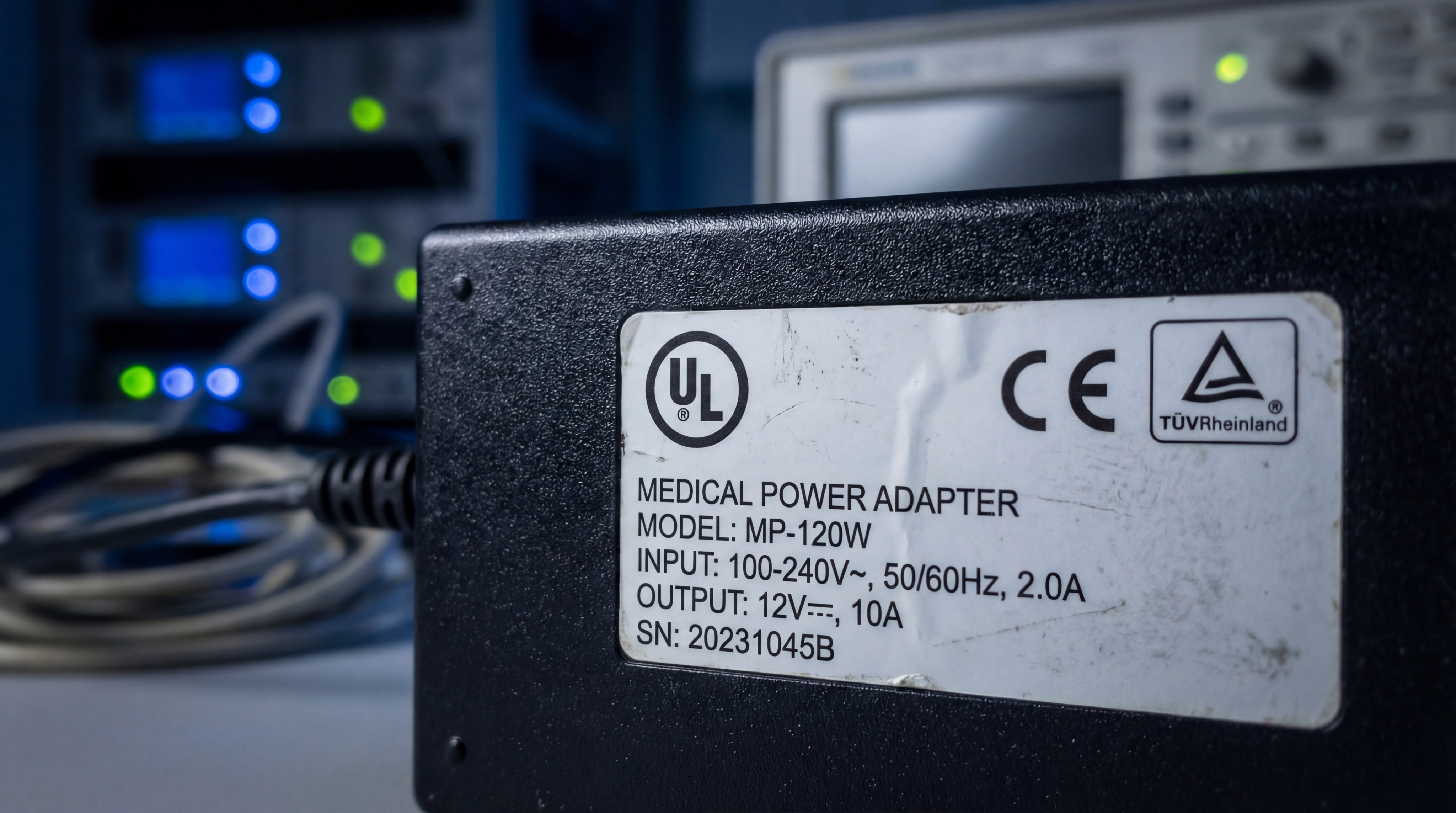
Navigating international regulations is the first step in your design process. You must ensure that every component, specifically your medical power adapter, complies with IEC 60601-1 to guarantee global market access. This standard covers both basic safety and essential performance.
What is the IEC 60601-1 4th edition?
This is the latest global benchmark for medical electrical equipment. It focuses on updated risks for electromagnetic disturbances and enhanced safety protocols. Complying with this edition ensures your device is ready for the modern clinical environment.
Why is EMC compliance critical?
In a room filled with ventilators and monitors, your adapter must not emit signals that interfere with other devices. Likewise, it cannot be susceptible to external interference that might compromise its performance. EMC compliance protects the integrity of your diagnostic data.
How to verify global certifications?
Look for UL, CE, and TUV marks that confirm the adapter has been independently tested. These marks are your proof of safety in diverse geographic markets. Always request the full test reports to verify the validity of these claims.
| Standard | Focus Area | Summary | |
|---|---|---|---|
| IEC 60601-1 | Safety & Performance | Fundamental standard for medical devices. | |
| IEC 60601-1-2 | EMC/EMI | Limits interference and ensures signal integrity. | |
| ISO 14971 | Risk Management | Integration of safety into the design process. |
Key Takeaways:
- Always verify the latest edition (e.g., 4th Edition) of IEC 60601-1.
- EMC compliance prevents equipment “noise” from disrupting sensitive diagnostics.
- Certification marks are your guarantee of third-party validation.
How to pick a medical power adapter for home care?
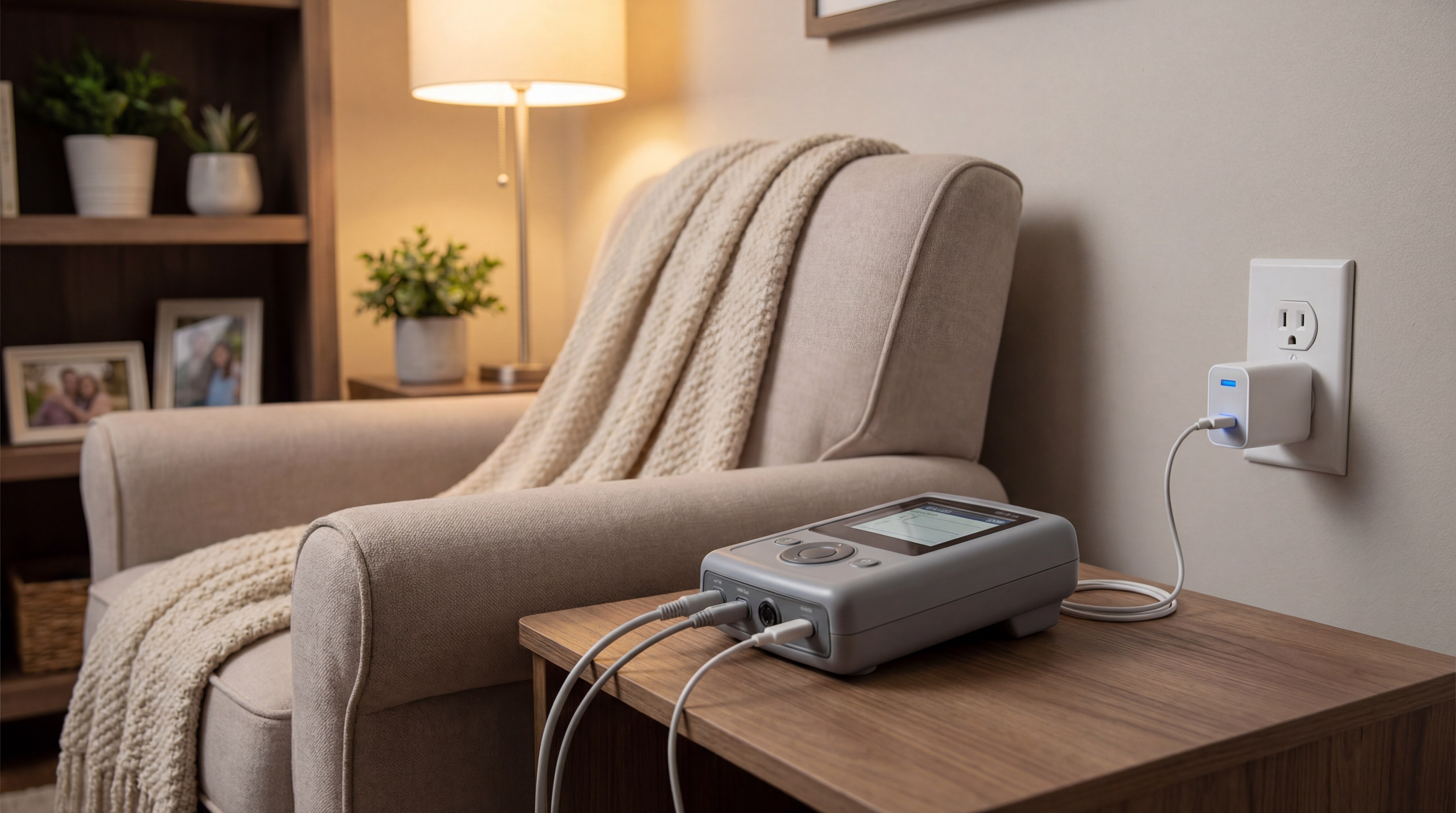
As healthcare moves into the home, you face unique environmental challenges. A medical power adapter used in a residence must be more durable than those found in controlled hospital settings. Users may not be trained professionals, making safety and ease of use paramount.
Why is IP rating important?
In a home environment, spills and dust are common occurrences. An IP22 rating ensures the adapter is protected against solid objects and falling drops of water. This adds a necessary layer of protection for devices kept on nightstands or in kitchens.
What are Class II power requirements?
Class II adapters do not require a ground wire, which is safer for homes with older electrical systems. They rely on double or reinforced insulation to prevent shock. This design choice simplifies the user experience while maintaining high safety levels.
How to ensure user-friendly design?
Compact size and intuitive LED indicators are vital for non-professional users. Reinforced cable strain relief prevents damage from frequent handling or accidental pulling. A well-designed cable management system also reduces the risk of tripping hazards.
| Factor | Home Care Requirement | Summary | |
|---|---|---|---|
| Enclosure | IP21 or IP22 | Protection against spills and household dust. | |
| Grounding | Class II (2-prong) | Safer for ungrounded domestic power outlets. | |
| Portability | Small Form Factor | Easy for patients to move and store. |
Key Takeaways:
- Select Class II designs for equipment intended for residential use.
- High IP ratings protect the device from the unpredictable home environment.
- Ergonomic cable management reduces the risk of tripping or disconnection.
Which medical power adapter is best for BF applications?
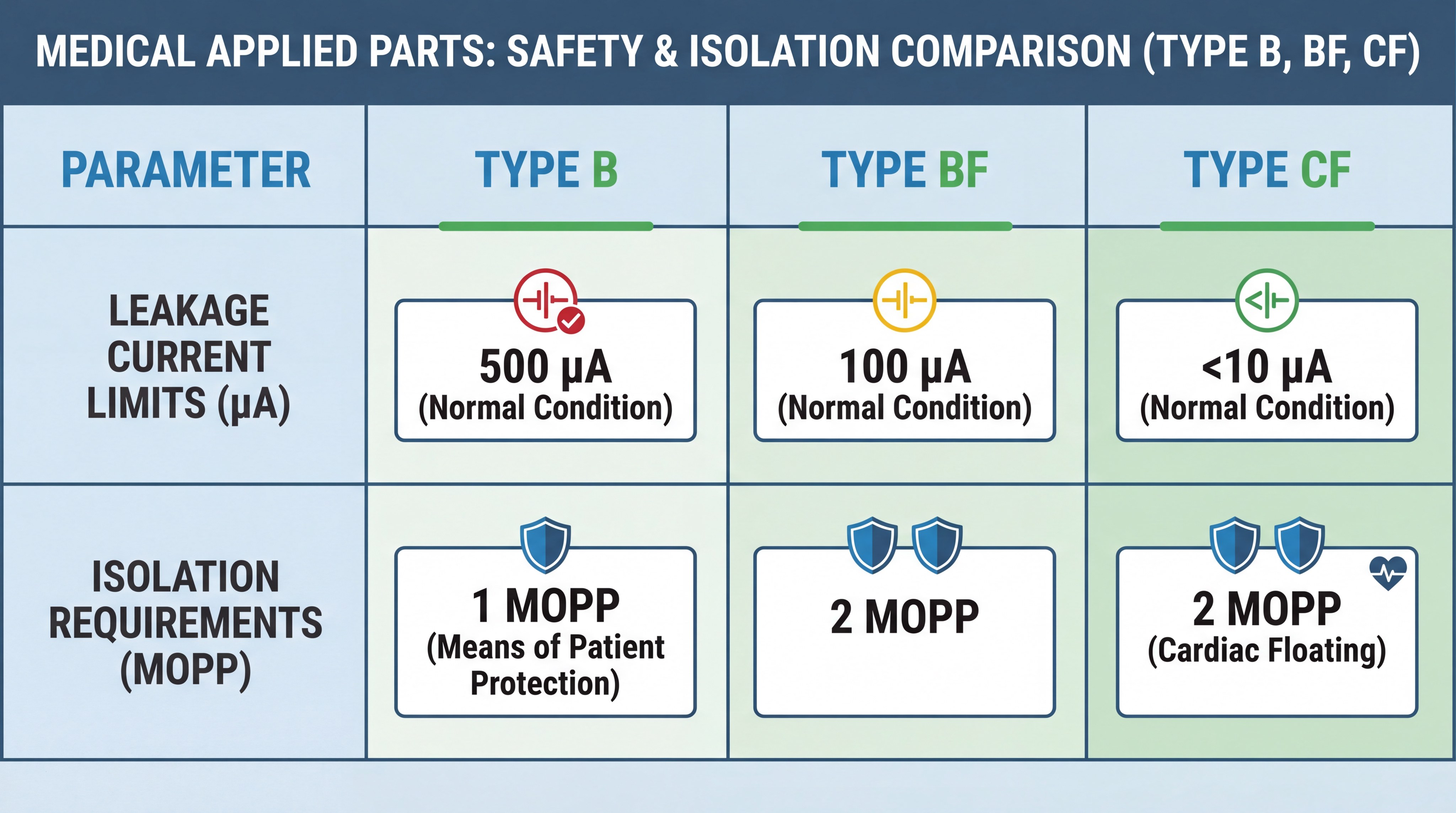
Different parts of your medical device have different safety requirements. If your device has “applied parts” that come into contact with the patient, your medical power adapter must meet specific “Body Floating” (BF) criteria. Understanding these classifications is essential for regulatory approval.
What defines Body Floating parts?
BF applied parts are those that have medium to long-term conductive contact with the patient. Examples include blood pressure cuffs, EKG pads, or ultrasound probes. These parts must be electrically floating to prevent hazardous currents.
How to limit leakage current for BF?
The adapter must provide enhanced isolation to ensure leakage current is far below the threshold of harm. This isolation protects the patient even if the device develops a fault. Precision engineering in the power supply is the only way to meet these strict limits.
Why is CF rating different?
Cardiac Floating (CF) ratings are the strictest of all, required for devices making direct contact with the heart. These demand ultra-low leakage levels that go beyond standard BF requirements. Most general medical devices will fall under the BF category.
| Applied Part | Leakage Limit | Summary | |
|---|---|---|---|
| Type B | 100µA | General contact (non-conductive). | |
| Type BF | 100µA | Conductive contact (e.g., EKG pads). | |
| Type CF | 10µA | Direct cardiac contact (most stringent). |
Key Takeaways:
- Identify your device’s contact type (B, BF, or CF) before selecting an adapter.
- BF-rated adapters are mandatory for conductive patient contact.
- Leakage current control is the primary differentiator in these classifications.
Should you choose a desktop medical power adapter?
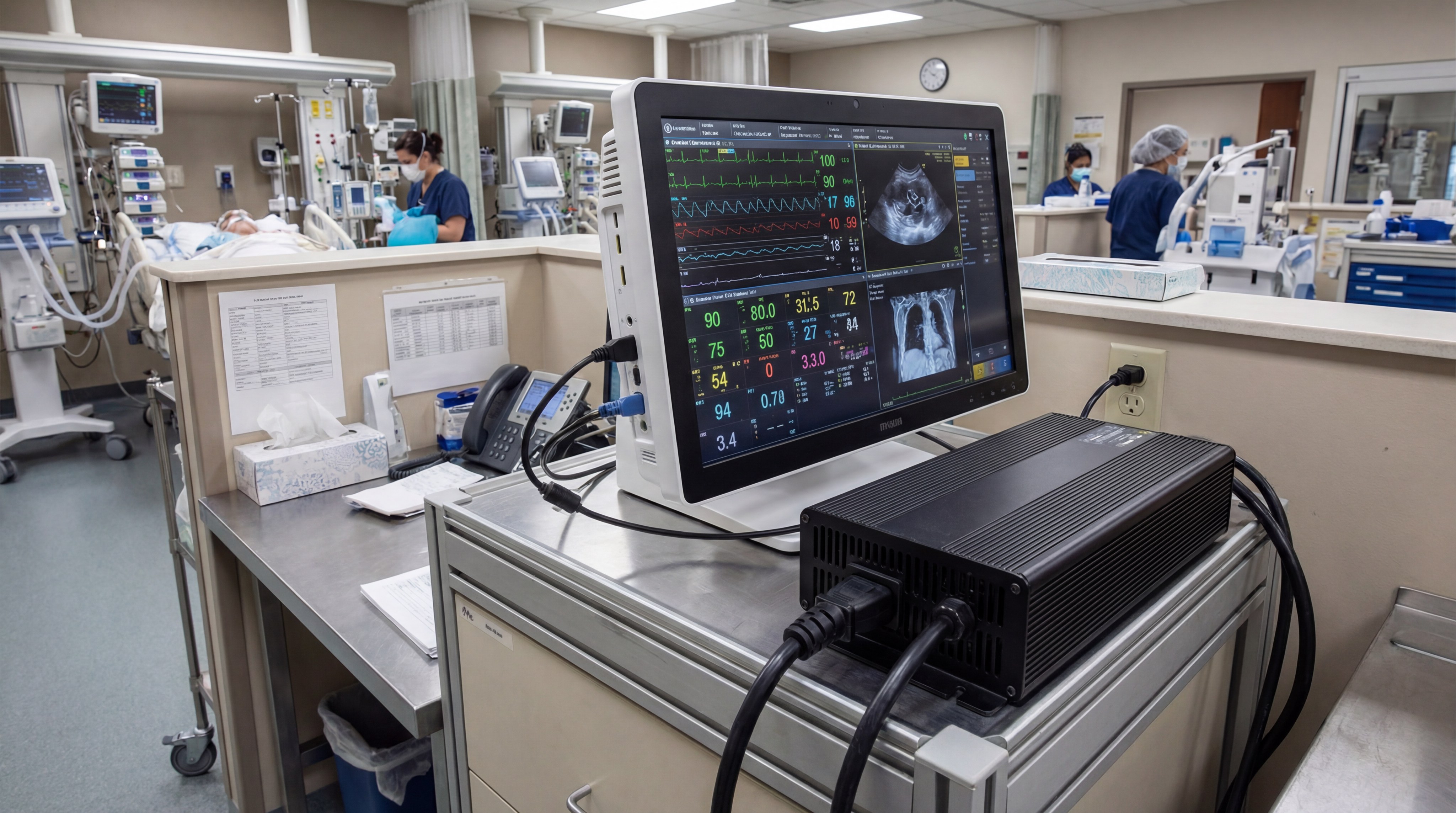
Deciding on the physical format is a major design choice for your hardware. A medical power adapter in a desktop format offers several advantages for larger diagnostic equipment. It provides a stable power source while keeping your main device slim.
What are the benefits of external power?
Moving power conversion outside your device keeps heat away from sensitive internal electronics. It also allows for a smaller, lighter main chassis that is easier to mount or move. This modular approach simplifies the repair and replacement process.
When is a desktop better than wall-mount?
Desktop adapters are superior for higher wattage requirements, typically above 60W. They offer more flexibility in cable length and placement in complex hospital workstations. This format is ideal for devices that stay on a cart or desk.
How to manage heat in external units?
Desktop units have more surface area for passive cooling, ensuring they stay within safe touch temperatures. They are designed to dissipate heat efficiently without the need for noisy fans. This makes them ideal for quiet patient-care environments.
| Format | Typical Wattage | Summary | |
|---|---|---|---|
| Wall-Mount | 5W – 60W | Best for portable, low-power handhelds. | |
| Desktop | 40W – 450W | Ideal for bedside monitors and workstations. | |
| Configurable | Up to 1kW+ | Used for large imaging or surgical systems. |
Key Takeaways:
- Desktop adapters facilitate easier device certification by keeping high voltage external.
- Higher wattage needs generally dictate a desktop rather than a wall-plug design.
- External placement simplifies thermal management of the end device.
How does thermal design affect a medical power adapter?
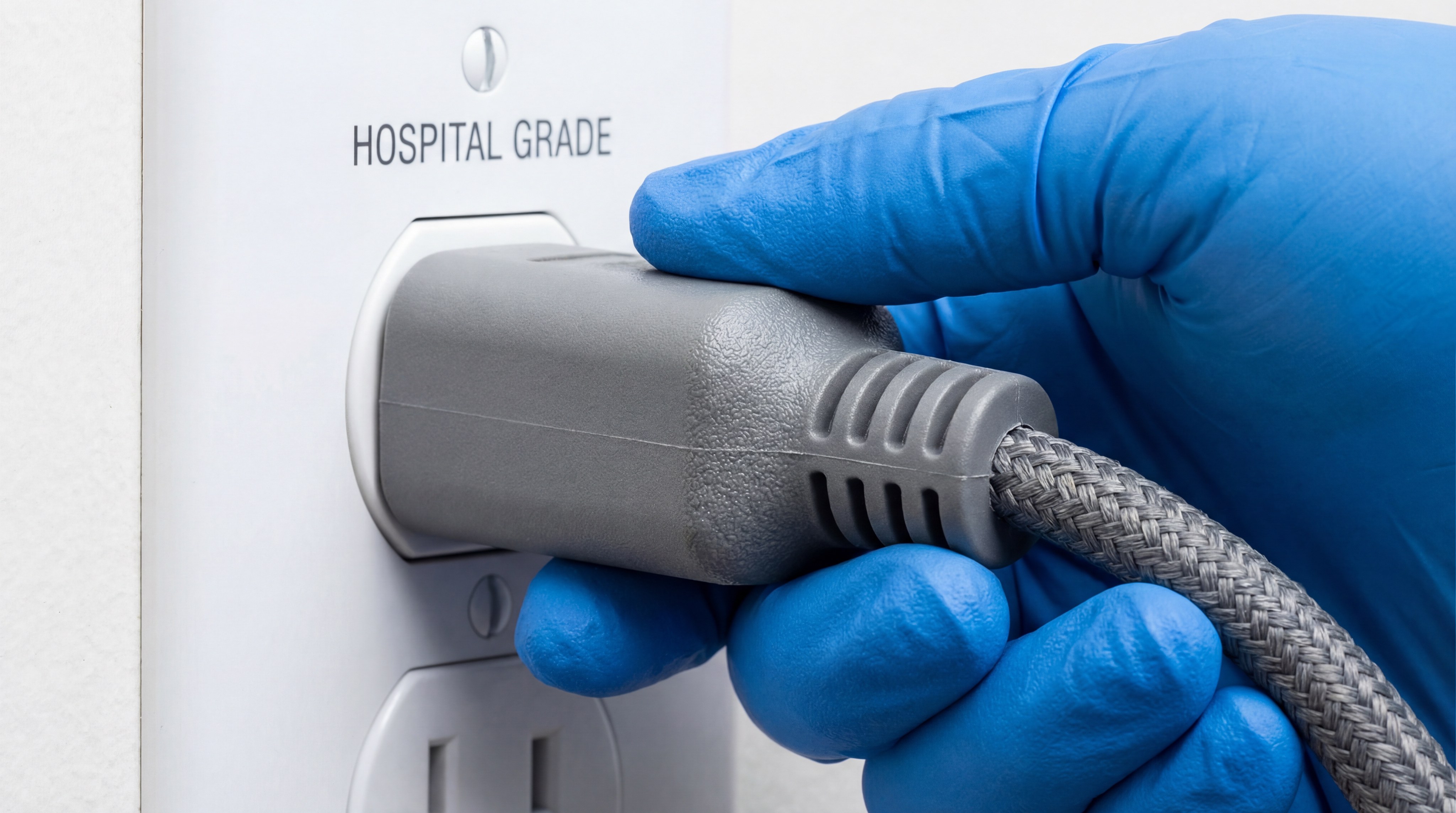
Heat is the primary enemy of electronic longevity and performance. For your medical power adapter, how it manages temperature dictates how long your device remains in service. Poor thermal management can lead to component failure and safety risks.
Why are fanless designs preferred?
Fans introduce mechanical noise and can circulate contaminants in sterile environments. Fanless, convection-cooled adapters are silent and far more reliable over the long term. They are the preferred choice for surgical suites and recovery rooms.
How to manage heat effectively?
Look for adapters with high-efficiency ratings, such as Level VI, which minimize wasted energy. Lower energy waste translates directly into less heat generation during operation. This allows for more compact designs without compromising safety.
What is the impact of ambient temperature?
Ensure the adapter is rated for the specific environmental conditions of your application. Whether it is a cooled lab or a warm mobile unit, the adapter must maintain stable output. Verify the derating curves to understand performance at high temperatures.
| Cooling Type | Advantage | Summary | |
|---|---|---|---|
| Convection | No Noise | Best for quiet patient rooms and clinics. | |
| Conduction | High Heat Sink | Ideal for sealed, water-tight enclosures. | |
| Forced Air | High Power | Necessary for very high-wattage surgical tools. |
Key Takeaways:
- Aim for fanless designs to maximize sterile integrity and minimize noise.
- Energy efficiency directly correlates to lower operating temperatures.
- Verify the derating curve to ensure power stability at higher temperatures.
Can a custom medical power adapter improve your design?
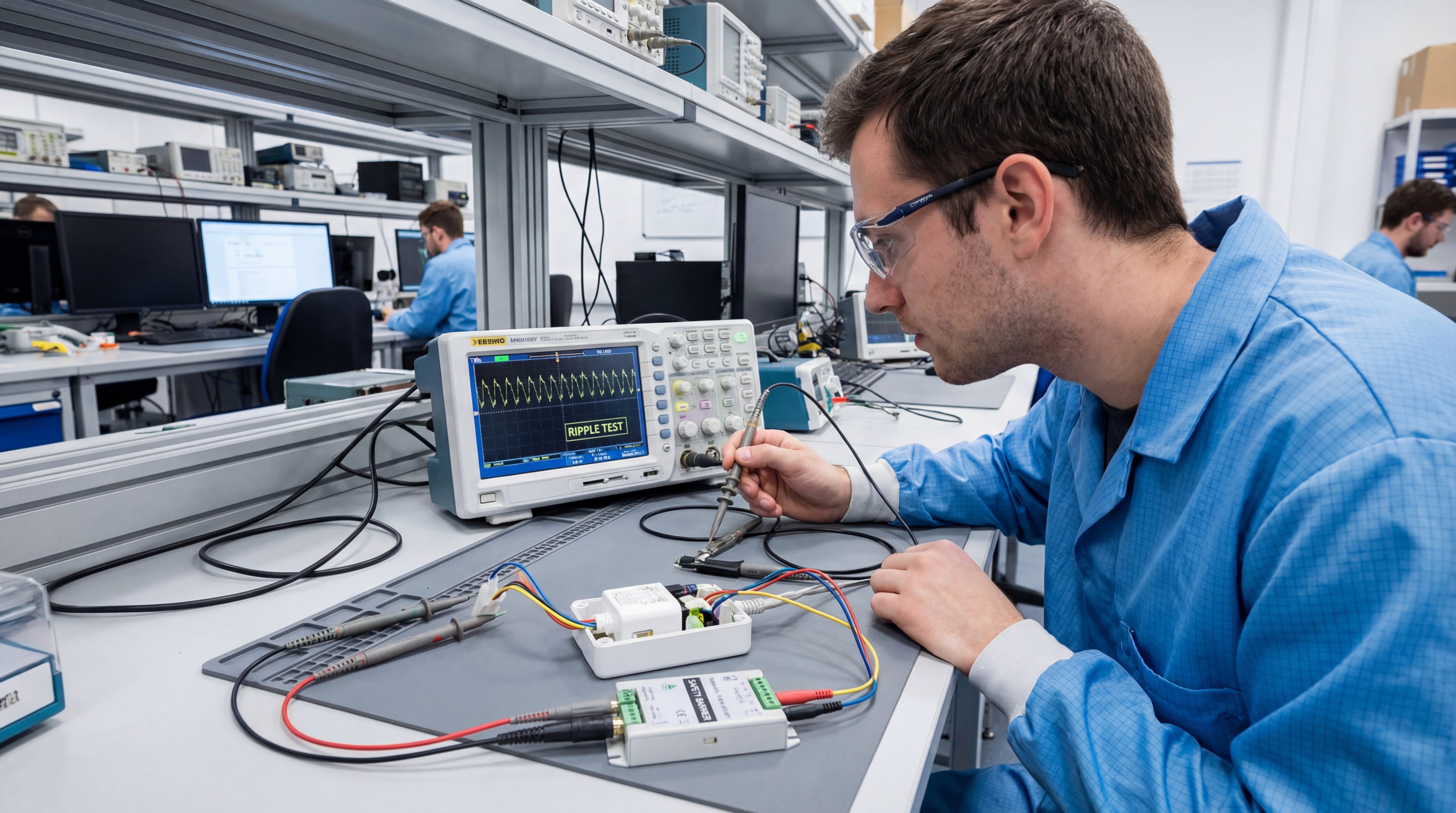
Sometimes off-the-shelf solutions don’t fit your specific mechanical or electrical requirements. A custom medical power adapter can provide the exact performance and branding you need. This tailored approach can solve complex integration problems that standard units cannot.
Why consider custom voltages?
If your sensors require non-standard voltages like 13.5V or 26V, a custom-tuned adapter is ideal. It eliminates the need for additional internal DC-DC converters within your device. This reduces cost, complexity, and potential points of failure.
How to streamline integration?
Customized DC connectors and cable lengths prevent loose connections and ensure a cohesive look. You can also integrate your brand colors or logos directly onto the housing. This creates a professional, finished appearance for your medical system.
What are the risks of customization?
Custom units may require longer lead times for initial design and certification. However, they often result in a lower total system cost by optimizing the overall design. You must balance the need for a perfect fit against your launch timeline.
| Option | Custom Solution | Summary | |
|---|---|---|---|
| Flexibility | High | Allows for unique voltage and specific plugs. | |
| Time to Market | Moderate | Requires dedicated certification phases. | |
| Integration | Seamless | Fits perfectly into specific brand enclosures. |
Key Takeaways:
- Customization can eliminate redundant power stages within your device.
- Specific connectors enhance the safety and branding of your product.
- Weigh the benefits of a “perfect fit” against the speed of standard models.
What wattage is needed for your medical power adapter?
Sizing your power supply correctly is a delicate balancing act. You need enough headroom for peak loads without over-specifying a medical power adapter that is unnecessarily bulky. Proper sizing ensures the longevity of both the adapter and your device.
How to calculate peak load?
Factor in the startup currents of motors or pumps and the maximum brightness of displays. Ensure the adapter does not shut down during these brief moments of high demand. A robust peak-load capability prevents unexpected system resets.
Why is power efficiency vital?
Higher efficiency reduces power consumption and heat, which is critical for devices running 24/7. Level VI compliance is the modern standard you should demand for all new designs. It saves energy costs for hospitals and improves device reliability.
How to select the right wattage range?
Always choose an adapter with a continuous power rating that is 20% higher than your device’s typical consumption. This buffer provides safety and reduces the thermal stress on internal components. It ensures the power supply is never running at its absolute limit.
| Device Type | Typical Wattage | Summary | |
|---|---|---|---|
| Handheld Scanner | 5W – 15W | Low power, high portability requirements. | |
| Vital Sign Monitor | 30W – 65W | Moderate power for constant monitoring. | |
| Surgical Laser | 150W – 400W | High power for intensive medical procedures. |
Key Takeaways:
- Calculate maximum peak draw to prevent unexpected system resets.
- Efficiency Level VI compliance is standard for modern medical adapters.
- A 20% power buffer increases the lifespan of the power component.
Is isolation critical for your medical power adapter?
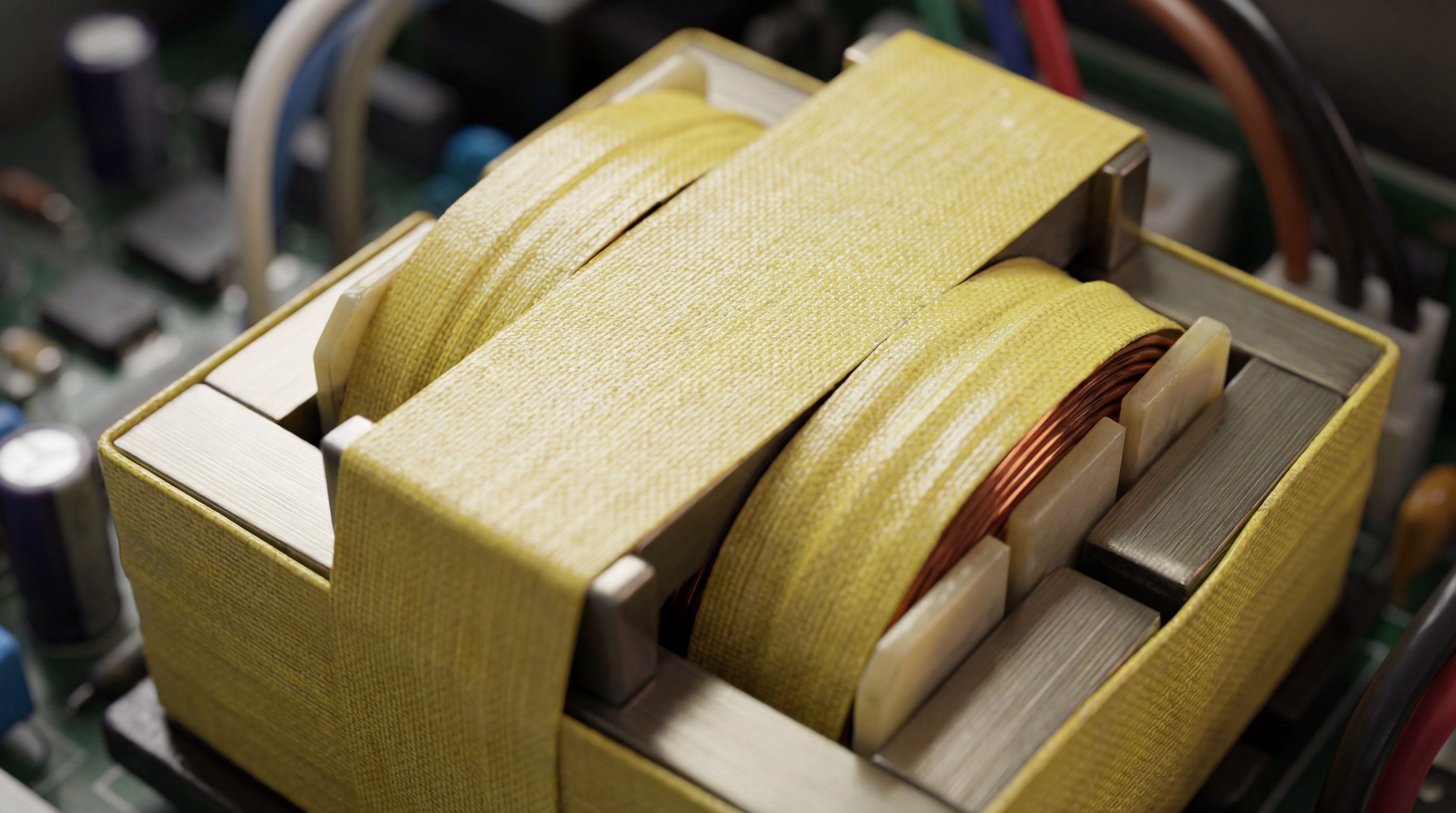
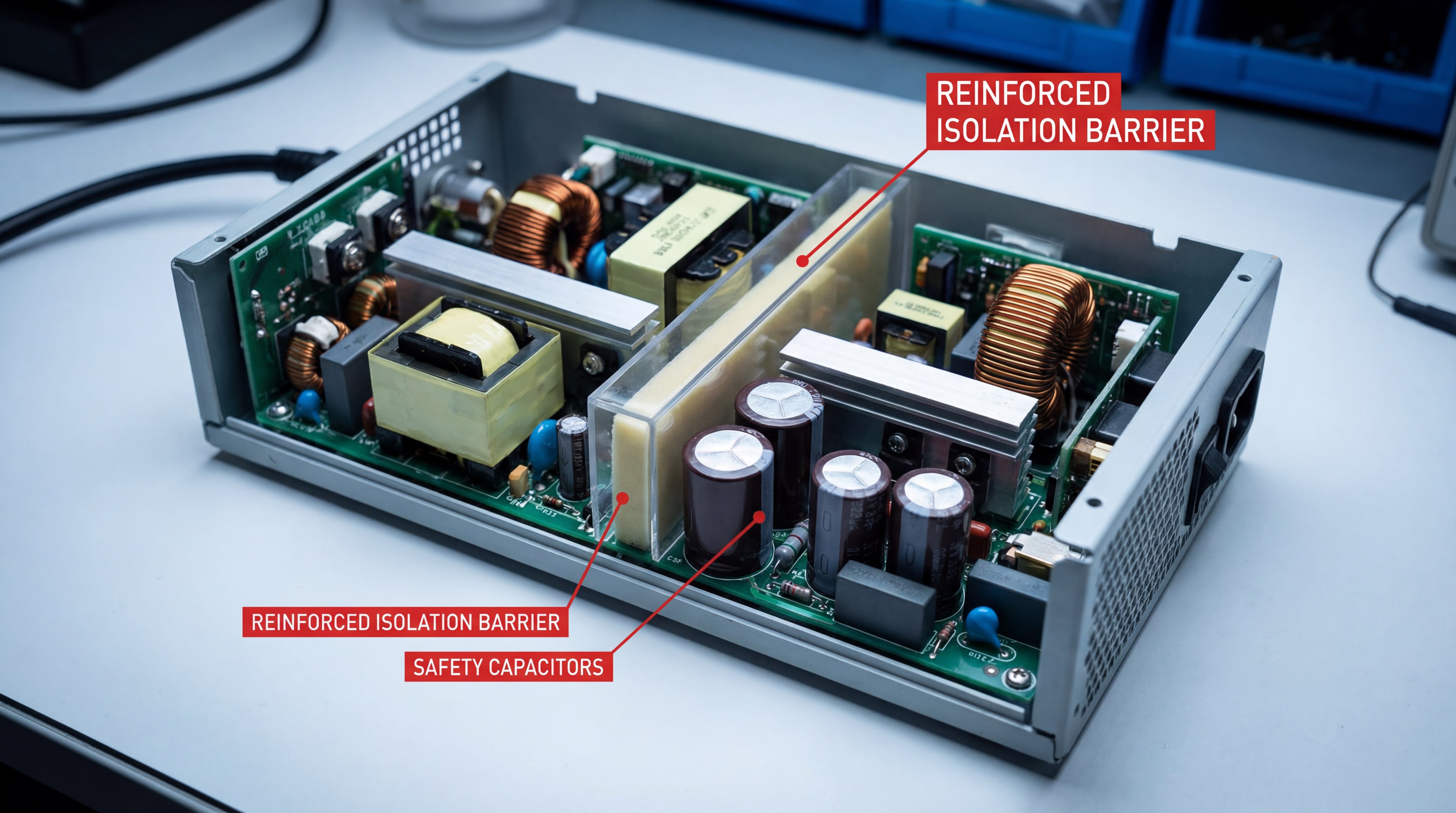
Understanding the “isolation barrier” is fundamental to safe medical electronic design. Your medical power adapter serves as the primary gateway between the dangerous mains voltage and the patient. This barrier must remain impenetrable under all operating conditions.
What is primary vs secondary isolation?
Primary isolation happens inside the adapter, separating the mains from the output voltage. Secondary isolation may be required within your own device to separate different sensors or applied parts. Both must work together to create a safe patient environment.
How to prevent faults?
Adapters with high dielectric strength testing (4000VAC or higher) ensure voltage cannot bridge the gap. Using high-quality transformers and safety capacitors is essential for maintaining this barrier. Regular testing during manufacturing confirms that every unit meets these specs.
Why is the isolation diagram important?
Reviewing the isolation map allows you to identify potential “creepage and clearance” issues early. These physical distances between conductive parts are legally mandated for safety. A clear diagram helps you pass regulatory audits with fewer design revisions.
| Isolation Path | Test Voltage | Summary | |
|---|---|---|---|
| Input to Output | 4000 VAC | Critical barrier for patient protection. | |
| Input to Ground | 1500 VAC | Essential for equipment safety. | |
| Output to Ground | 500 VAC | Prevents ground loops in patient contact. |
Key Takeaways:
- The adapter must provide at least 4000VAC isolation for patient safety.
- Creepage and clearance distances are legally mandated safety dimensions.
- Isolation barriers must remain effective throughout the product’s life.
How to verify a medical power adapter manufacturer?

Your product is only as reliable as the supplier behind the components. When selecting a medical power adapter, you are choosing a long-term partner in patient safety. You need a manufacturer that understands the nuances of healthcare regulations.
What is ISO 13485?
This certification ensures the manufacturer follows a quality management system specifically for medical devices. It guarantees consistency, traceability, and high standards of production. Never source medical components from a factory that lacks this certification.
Why check global manufacturing?
Suppliers with robust global locations can offer better supply chain resilience. This ensures you do not face production halts due to regional material shortages. Resilience is key to maintaining your product’s availability in the market.
How to evaluate technical support?
A top-tier manufacturer provides access to application engineers who can help solve EMI challenges. They should assist you during the integration and testing phases of development. Strong support can shave months off your time-to-market.
| Checklist Item | Importance | Summary | |
|---|---|---|---|
| ISO 13485 | Mandatory | Ensures medical-specific quality control. | |
| Longevity | High | Guarantees component availability for years. | |
| Documentation | Essential | Full test reports and safety certificates needed. |
Key Takeaways:
- Only work with ISO 13485 certified manufacturers for medical components.
- Traceability is vital for addressing potential field issues or recalls.
- Strong technical support accelerates your integration and testing phases.
Conclusion
Choosing the right power solution is a defining step in the lifecycle of any medical device. By prioritizing safety standards like IEC 60601-1, understanding isolation requirements, and selecting a reputable manufacturer, you protect both your patients and your brand. Don’t leave your power needs to chance—ensure your device is powered by a certified, reliable, and high-performance system. contact us today to discuss your specific medical-grade requirements and request a sample for your next project.
FAQ
What is the difference between a commercial and a medical power adapter?
Medical adapters have much higher isolation requirements (2xMOPP) and strictly limited leakage current to ensure patient safety. Commercial units do not meet the IEC 60601-1 standards required for healthcare use.
Why is 2xMOPP isolation required?
2xMOPP stands for “Means of Patient Protection.” It requires two independent layers of insulation, ensuring that if one fails, the patient is still protected from lethal electrical shock.
Can I use a wall-mount adapter for a BF-rated device?
Yes, as long as the adapter is specifically certified for BF (Body Floating) applications and meets the required leakage current limits for that classification.
What does Efficiency Level VI mean for my medical device?
Level VI is an efficiency standard that ensures the adapter wastes very little energy as heat. This leads to cooler operation, higher reliability, and lower electricity costs for the end-user.