To successfully power your electronics in New Zealand, you must use a Type I adapter that matches the local three-pin configuration. Imagine landing in Auckland after a twelve-hour flight only to find your laptop is dead and your charger physically cannot enter the wall socket. This simple oversight can halt business operations, disconnect you from essential GPS services, and even lead to device damage if you attempt to force a connection. To ensure your hardware remains safe and fully functional, investing in a high-quality new zealand power adapter is the most critical step in your travel preparation.
1. What is the standard plug type in New Zealand?
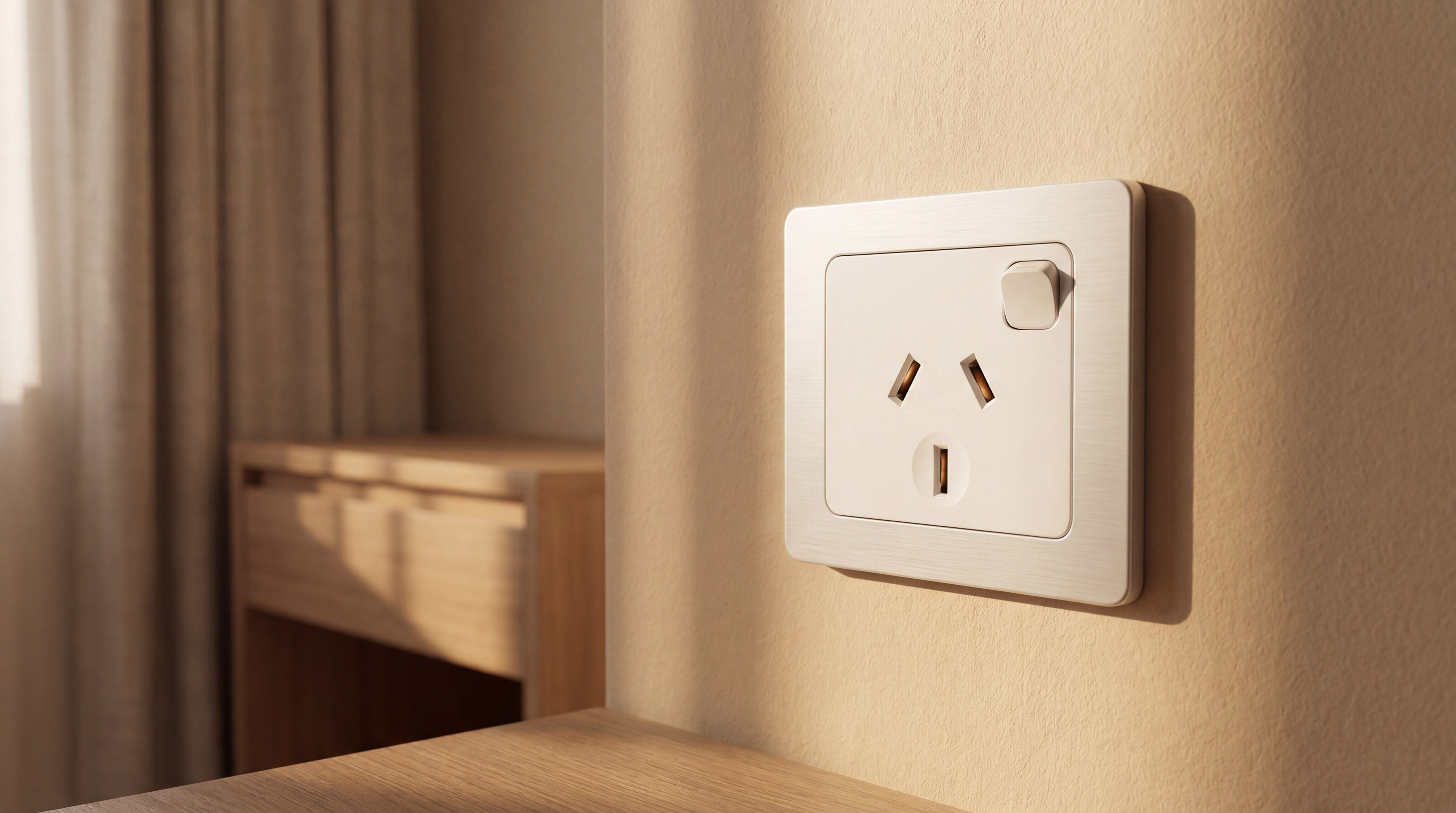
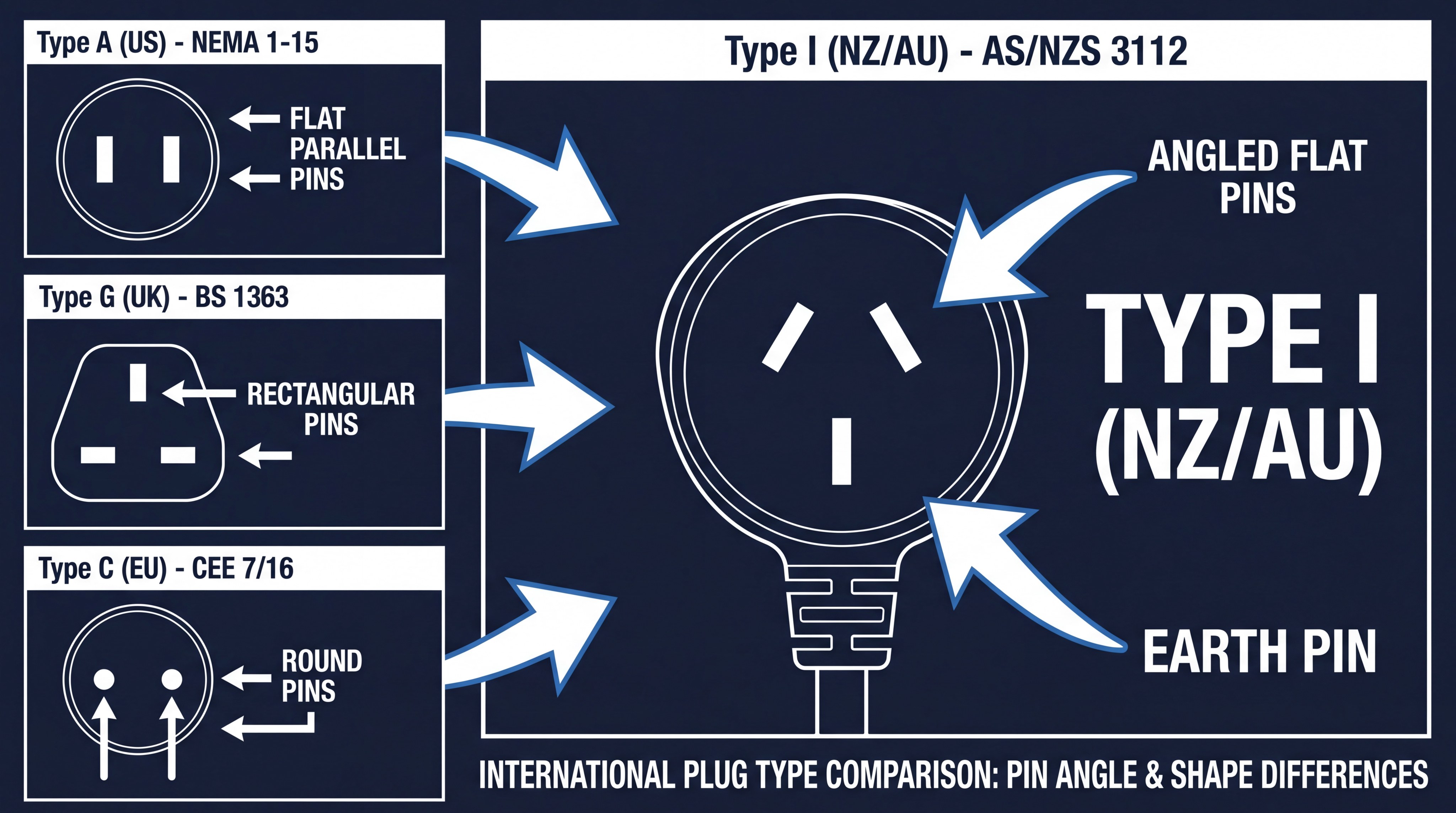
The national standard for New Zealand is the Type I plug, defined by its two flat pins angled in an inverted “V” shape. Any hardware intended for the Kiwi market must adhere to these physical specifications to ensure a secure electrical connection.
Are there two-pin or three-pin versions?
While most modern sockets are designed for three pins, you will find both two-pin and three-pin Type I plugs in use. The three-pin version includes a vertical grounding pin at the bottom to protect against surges.
Here is the deal:
- Two-pin plugs are common for double-insulated appliances like phone chargers.
- Three-pin plugs are mandatory for high-draw items like laptops.
- Most New Zealand wall outlets feature an integrated on/off switch for added safety.
How does the grounding pin affect safety?
The grounding pin serves as a vital return path for electricity in the event of an internal fault. Without this third pin, metal-cased appliances could become electrified, posing a significant shock risk to the user.
Think about it:
- Unbalanced loads can cause arcing without proper grounding.
- Grounding stabilizes the voltage levels during peak usage.
- Certified connectors prevent heat buildup at the contact points.
Key TakeawayUsing a grounded Type I connector is the only way to guarantee electrical safety for high-power professional equipment in New Zealand.
| Specification | Details | |
|---|---|---|
| Plug Type | Type I | |
| Standard | AS/NZS 3112 | |
| Pin Shape | Flat/Angled | |
| Grounding | Essential for metal devices |
Ensuring your hardware matches the AS/NZS 3112 standard prevents mechanical failure and fire hazards during long-term use.
2. Is the New Zealand power adapter same as Australia?
Yes, the new zealand power adapter is identical to the one used in Australia, as both countries share the same regulatory framework. This harmonization allows for seamless equipment deployment across the entire Oceania region.
Which other countries use this specific plug?
Beyond the major markets of Australia and New Zealand, the Type I plug is the primary standard in several Pacific Island nations. This makes it a versatile tool for regional business travelers and logistics managers.
But wait, there’s more:
- Fiji and Papua New Guinea utilize the same angled pin design.
- The Cook Islands and Samoa also adhere to these standards.
- Argentina uses a similar plug, though the wiring polarity may differ.
Can I standardize my regional procurement?
By sourcing a single Type I solution, your procurement team can drastically reduce the number of SKUs required for Oceanic distribution. This efficiency simplifies inventory management and lowers overall costs for international projects.
Here is the deal:
- One adapter serves over five major regional markets.
- Standardization reduces user error during hardware setup.
- Bulk purchasing is more cost-effective with a unified plug type.
Key TakeawayThe shared standard between Australia and New Zealand allows for a unified power strategy, simplifying logistics for global enterprises.
| Region | Compatibility | Standard | |
|---|---|---|---|
| New Zealand | Native | AS/NZS 3112 | |
| Australia | Native | AS/NZS 3112 | |
| Fiji | Native | Type I | |
| Oceania | High | Regional Standard |
Choosing a regional solution ensures that your power supplies remain compliant across multiple borders without the need for additional inventory.
3. What are the voltage specs for a New Zealand power adapter?
New Zealand operates on a standard voltage of 230V with a frequency of 50Hz. This is significantly higher than the 110V-120V used in North America, requiring careful verification of your device’s input rating.
Will my 110V electronics survive the connection?
Connecting a 110V-only device to a 230V New Zealand outlet will almost certainly result in catastrophic failure or fire. A simple plug adapter does not change the voltage; it only changes the physical shape of the connector.
Think about it:
- Standard US hair dryers are usually single-voltage.
- Gaming consoles may require external transformers.
- Kitchen appliances often lack the internal circuits to handle 230V.
Does the frequency matter for timing devices?
New Zealand’s 50Hz frequency can affect devices that rely on the electrical cycle for timekeeping. While modern chargers handle 50/60Hz easily, older analog clocks or motorized tools may run incorrectly.
But wait, there’s more:
- AC motors may run slower on 50Hz if designed for 60Hz.
- Internal clocks on microwaves might lose time over several days.
- Most switched-mode power supplies are frequency-independent.
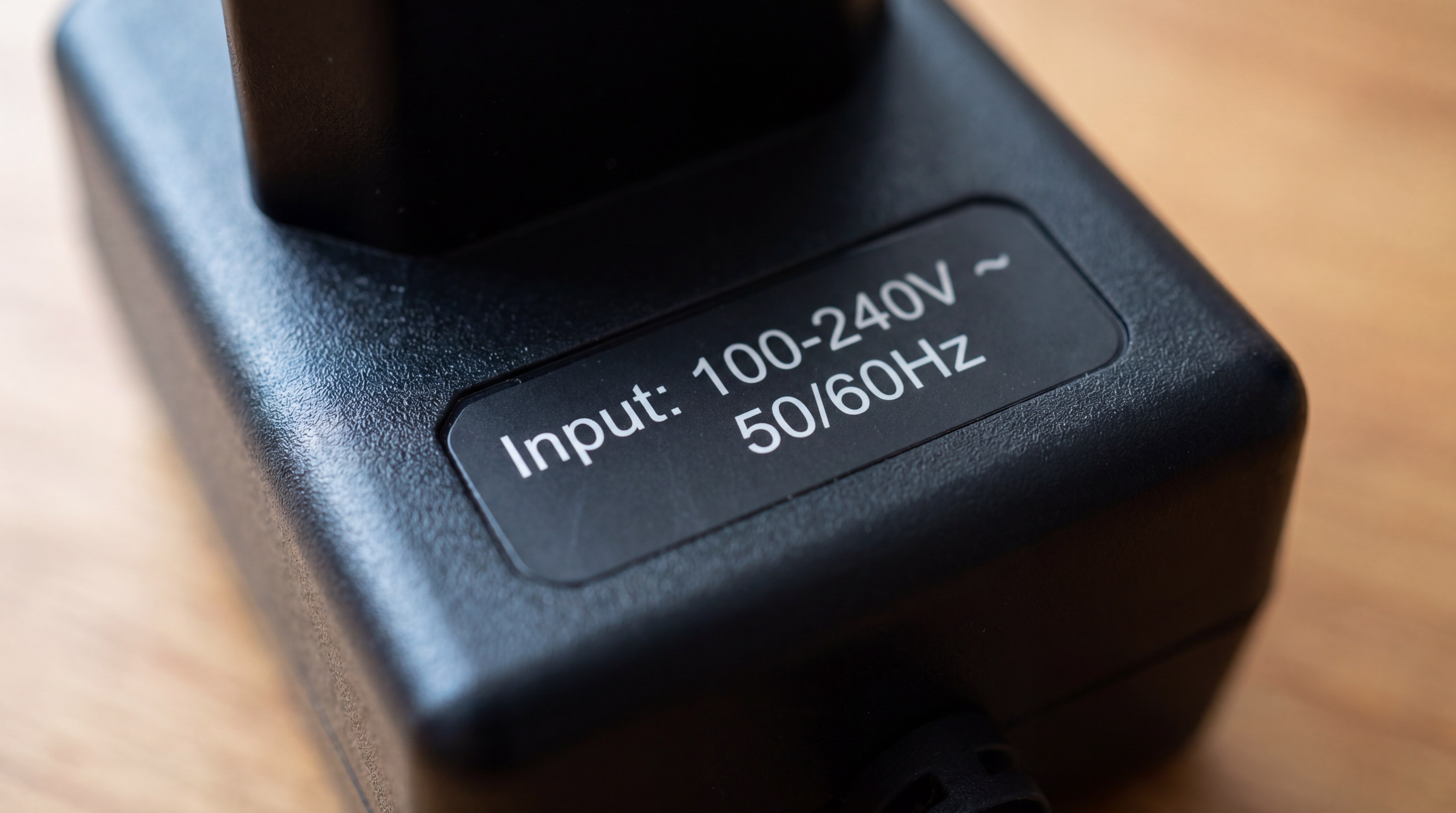
Key TakeawayAlways verify that your equipment label lists “100-240V” before plugging it into a New Zealand outlet to avoid permanent hardware damage.
| Parameter | New Zealand Value | North America Value | |
|---|---|---|---|
| Voltage | 230V | 120V | |
| Frequency | 50Hz | 60Hz | |
| Tolerance | +/- 6% | +/- 5% | |
| Hazard | High (Overvoltage) | N/A |
Mismatched voltage is the leading cause of electrical fires among travelers; always double-check the “Input” section of your power brick.
4. Do I need a converter with a New Zealand power adapter?
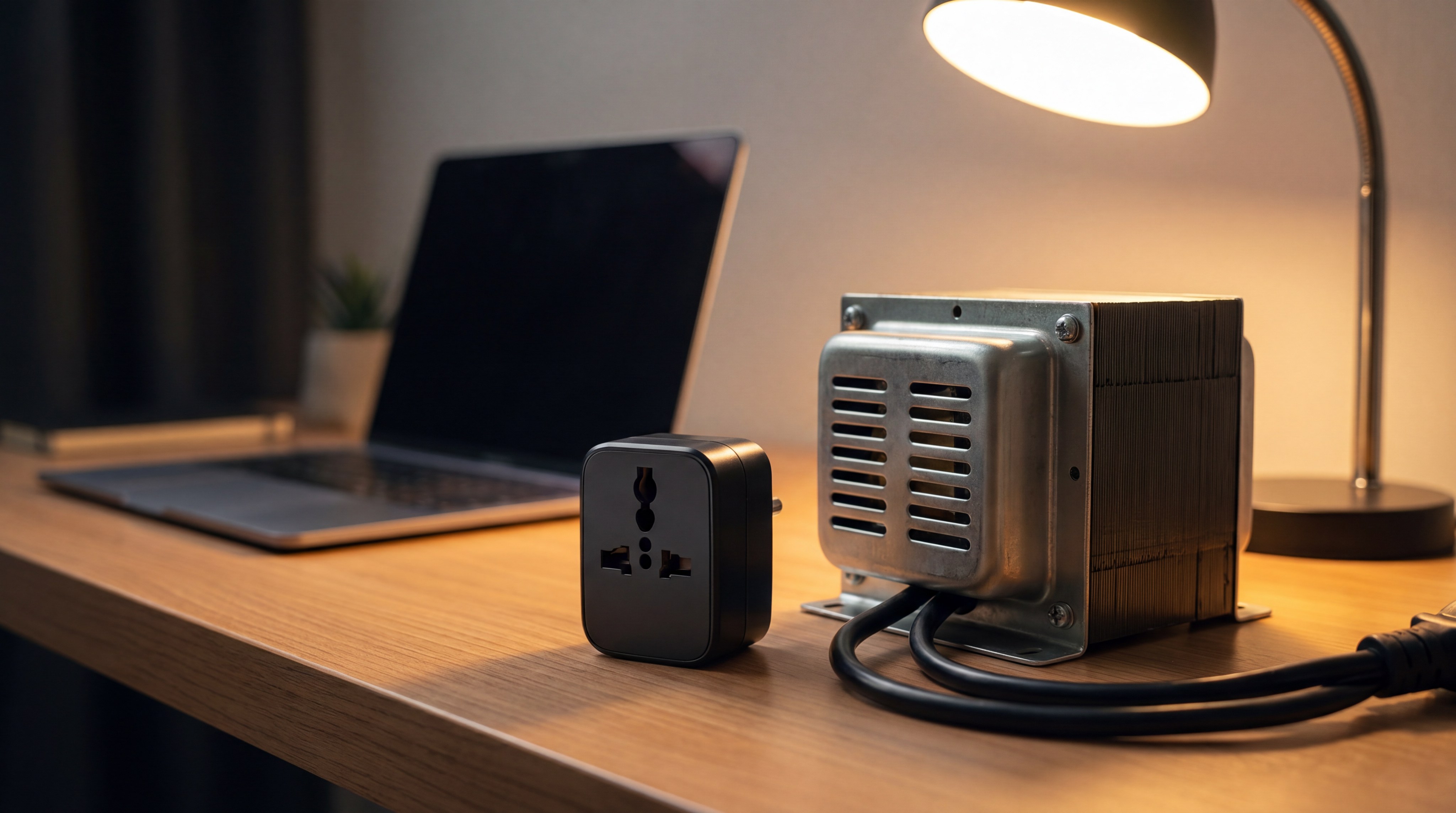
You only need a voltage converter if your electronic device is not “dual-voltage” rated. If your charger’s label only mentions 110V, a high-quality new zealand power adapter must be paired with a step-down transformer.
How do I read the input label correctly?
Locate the small print on your device that says “INPUT.” If it displays “100-240V, 50/60Hz,” your device is compatible with New Zealand’s grid and only needs a mechanical adapter.
Here is the deal:
- Laptops and smartphones are almost always dual-voltage.
- Electric toothbrushes and shavers vary by brand and model.
- Industrial monitors often feature wide-range power supplies.
What about high-wattage heating tools?
Tools like curling irons or portable heaters pull a massive amount of current, making them dangerous to use with small, cheap converters. These devices often require heavy, expensive transformers that exceed the weight of the appliance itself.
But wait, there’s more:
- Travel-sized hair dryers often have a manual voltage switch.
- Using a low-wattage converter for a high-watt power tool will melt the adapter.
- Buying local versions is often cheaper than buying a heavy transformer.
Key TakeawayMost modern digital electronics are dual-voltage, but high-heat appliances frequently require a dedicated voltage converter to operate safely in New Zealand.
| Device Category | Dual Voltage? | Recommended Solution | |
|---|---|---|---|
| Smartphones | Yes | Plug Adapter Only | |
| Laptops | Yes | Plug Adapter Only | |
| CPAP Machines | Usually | Check Label First | |
| Hair Irons | No | Voltage Converter |
Relying on a transformer for high-wattage items is risky; prioritize dual-voltage hardware to streamline your international setup.
5. Why won’t a UK plug fit a New Zealand power adapter?
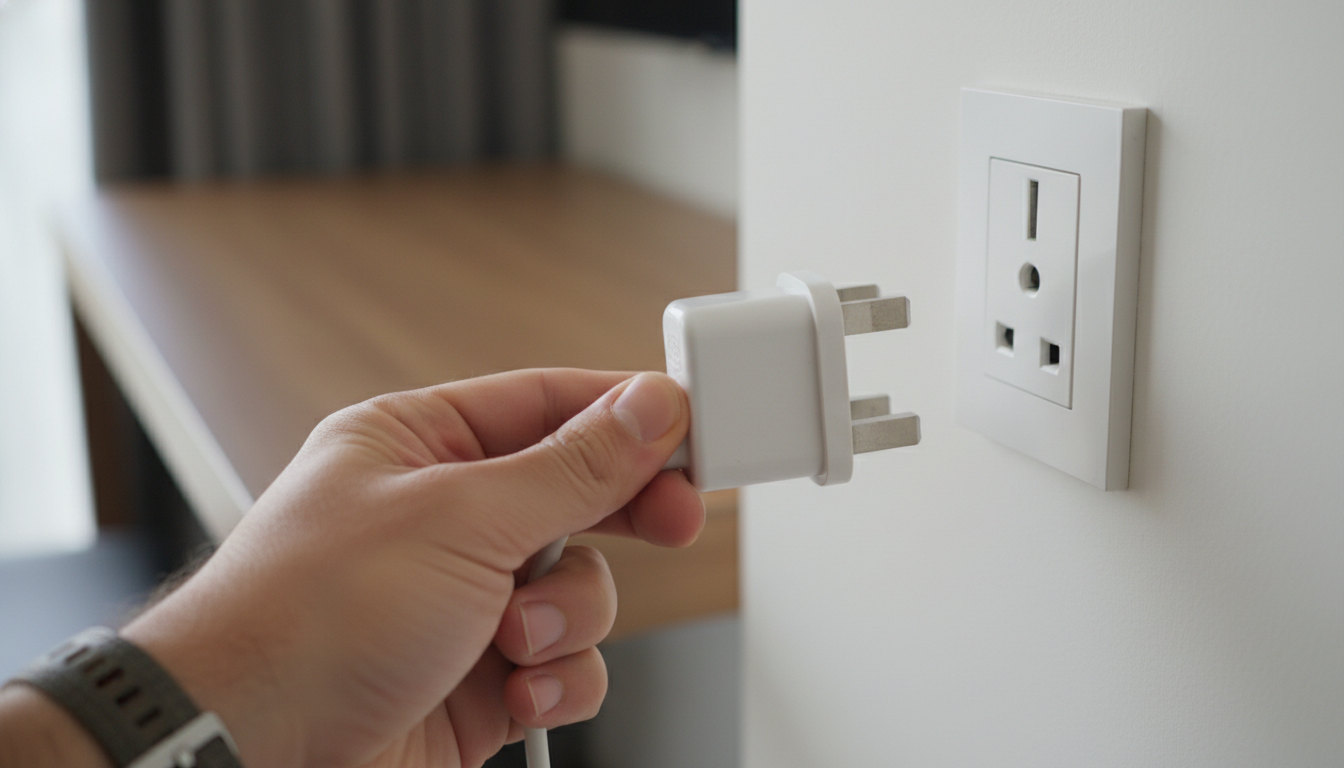
A UK plug will not fit because it uses the Type G standard, which consists of three large rectangular pins. While both regions share a similar 230V output, the physical pin geometry is entirely different and non-interchangeable.
Is there a way to bridge UK and NZ pins?
To use UK equipment, you must use a bridge adapter that accepts the Type G pins and outputs the angled Type I pins. Attempting to force rectangular pins into the angled Kiwi slots will damage the wall socket.
Think about it:
- UK pins are vertical and horizontal rectangles.
- NZ pins are flat blades set at 30-degree angles.
- The earth pin in the UK is much longer than the NZ version.
Are universal sockets a safe alternative?
Universal sockets attempt to accommodate every plug type but often suffer from poor contact pressure. This loose connection can lead to arcing, which generates heat and increases the risk of an electrical fire.
But wait, there’s more:
- Loose connections cause intermittent power to sensitive electronics.
- Universal designs often lack proper internal shutters.
- Dedicated adapters provide a much more stable mechanical fit.
Key TakeawayDespite similar voltages, the physical geometry of UK and NZ plugs is incompatible, necessitating a dedicated mechanical interface for safe operation.
| Feature | UK (Type G) | NZ (Type I) | |
|---|---|---|---|
| Pin Shape | Rectangular | Flat/Angled | |
| Number of Pins | 3 | 2 or 3 | |
| Voltage | 230V | 230V | |
| Interchangeable? | No | No |
A dedicated Type I adapter ensures that the heavy UK plug does not sag or disconnect from the wall during use.
6. How to spot a certified New Zealand power adapter?
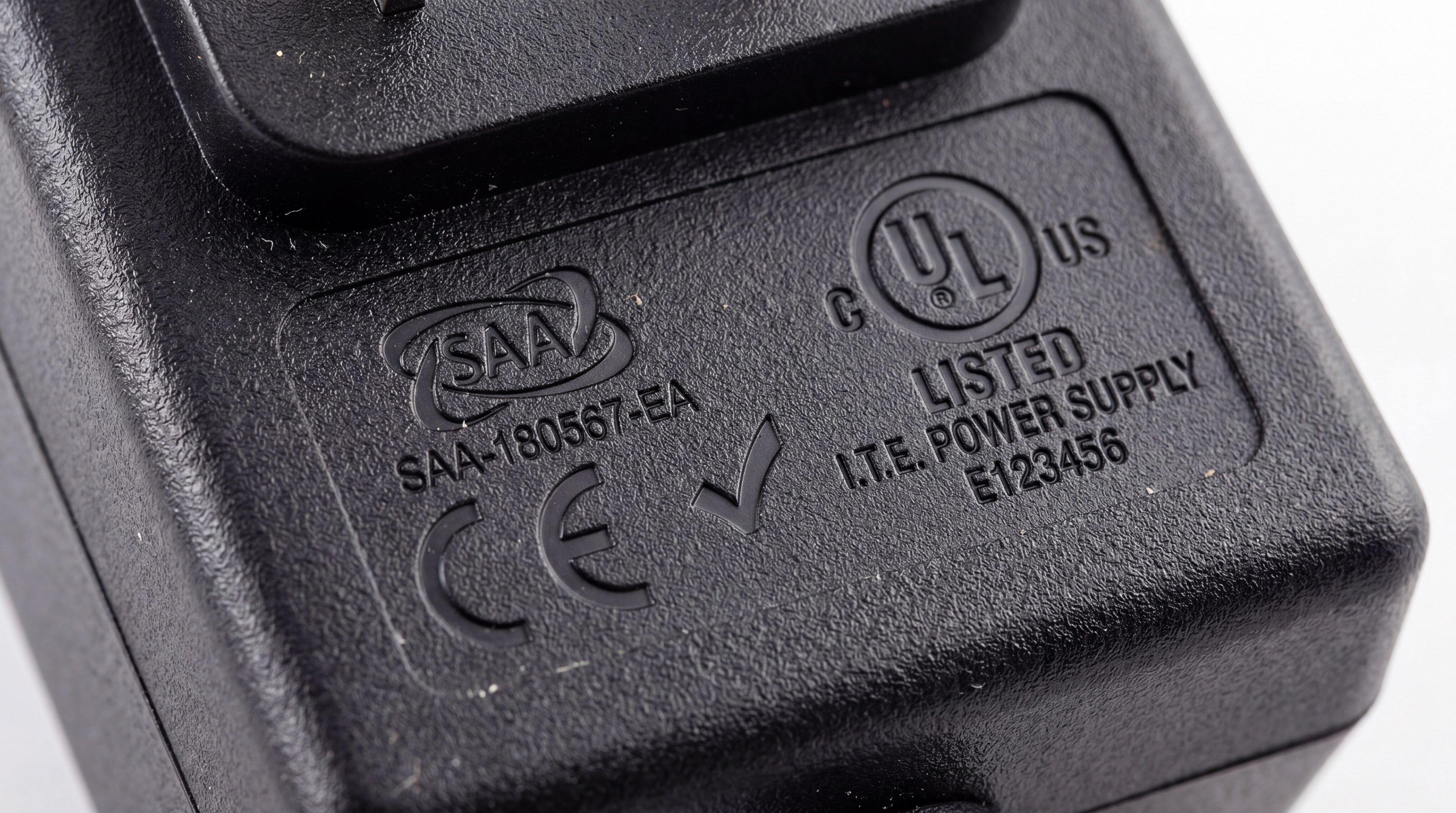
You can identify a safe new zealand power adapter by looking for the SAA (Standards Australia) certification mark. This logo confirms that the product has passed rigorous safety testing for the New Zealand and Australian markets.
What does the SAA mark actually prove?
The SAA mark proves that the internal wiring, insulation, and external housing meet the AS/NZS 3112 safety requirements. It ensures that the device won’t short-circuit or melt under a standard electrical load.
Here is the deal:
- It verifies the adapter can withstand high-voltage spikes.
- It confirms the pins are the correct length and thickness.
- It guarantees the internal components are properly insulated.
Why is fire-retardant material non-negotiable?
A certified adapter uses V-0 rated fire-retardant plastics that extinguish themselves if an internal fault occurs. Cheap, uncertified adapters often use flammable plastics that can turn a small spark into a major room fire.
Think about it:
- V-0 plastics stop burning within 10 seconds of ignition.
- Non-certified plastics can drip molten fire onto carpets.
- Heat resistance is crucial for 24/7 charging cycles.
Key TakeawayCertified adapters protect your expensive assets and your safety by utilizing tested, flame-resistant materials and approved circuit designs.
| Certification | Region | Importance | |
|---|---|---|---|
| SAA | AU/NZ | Mandatory Compliance | |
| CE | Europe | High Safety Indicator | |
| UL | North America | Global Trust Factor | |
| RoHS | Global | Lead-Free Assurance |
Always prioritize the SAA mark when sourcing power supplies for the New Zealand market to ensure legal and physical safety.
7. Are interchangeable pins best for a New Zealand power adapter?
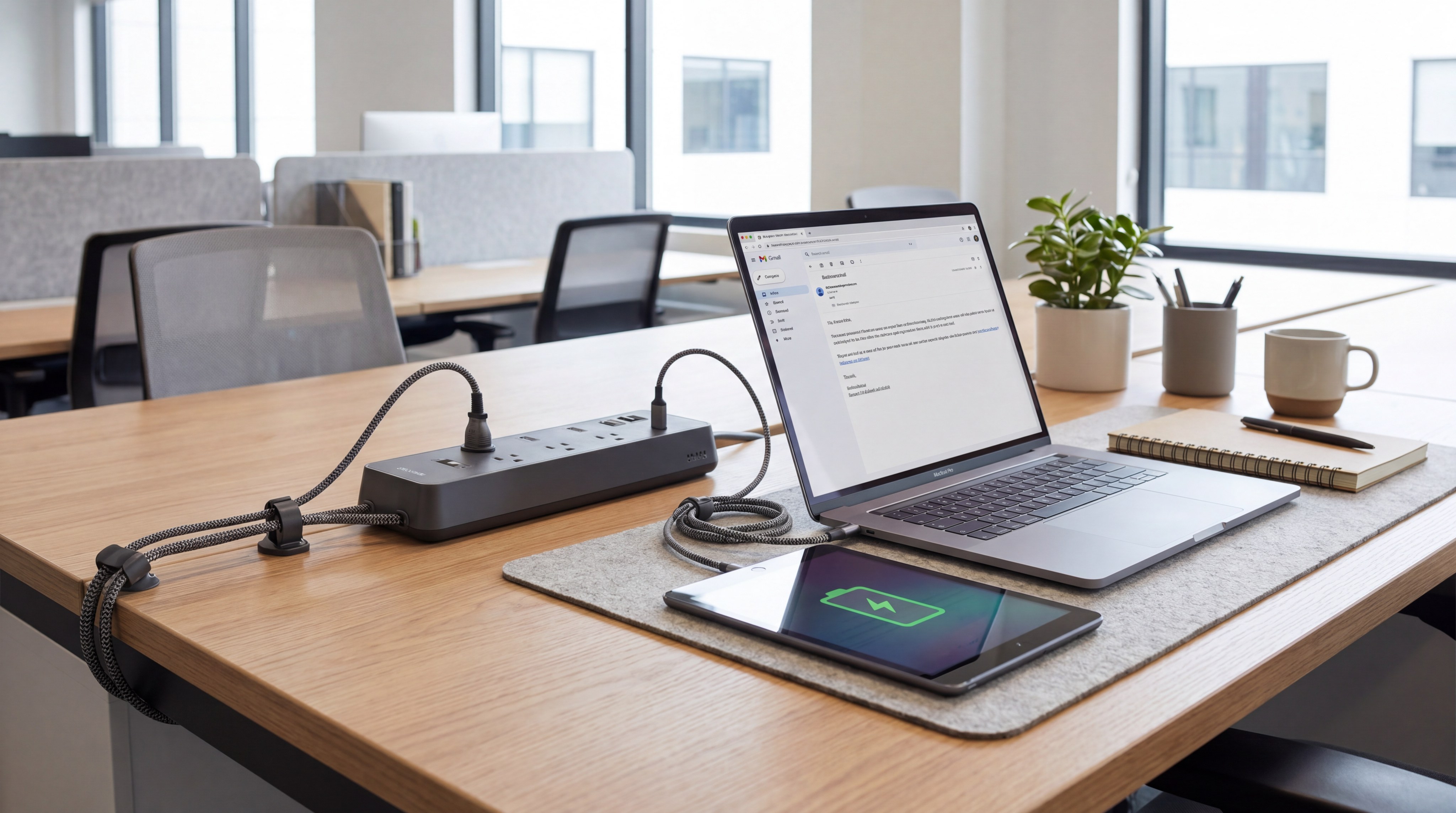
Interchangeable pins are the superior choice for global professionals because they allow one power brick to function in New Zealand, Europe, and the US. This modularity reduces the need for multiple bulky chargers and streamlines your tech kit.
How do interchangeable heads save space?
By using a single “head” unit with swappable pin attachments, you eliminate the bulk of carrying five different power supplies. The pins easily slide into a compact carry case, making them ideal for mobile professionals.
But wait, there’s more:
- One 65W brick can charge your laptop, tablet, and phone.
- Small pin attachments weigh less than full power bricks.
- It keeps your workspace organized and clutter-free.
Can businesses reduce SKU counts with these?
For manufacturers, using an interchangeable system means shipping the same base product globally. You simply include the appropriate regional pin (Type I for NZ) in the box, drastically lowering production and inventory costs.
Think about it:
- Lower inventory risk by stocking one universal base unit.
- Faster shipping to international customers.
- Simplified packaging designs across all global regions.
Key TakeawayInterchangeable systems offer unmatched flexibility for both individual travelers and global manufacturers looking to optimize their power supply logistics.
| Benefit | Impact | User | |
|---|---|---|---|
| Modular Design | High Flexibility | Global Traveler | |
| Inventory Efficiency | Lower Costs | Manufacturer | |
| Travel Weight | 40% Reduction | Mobile Worker | |
| Global Compatibility | 150+ Countries | International Sales |
Switching to a modular power system ensures you are ready for any outlet in the world with minimal physical footprint.
8. Can low-quality materials ruin a New Zealand power adapter?
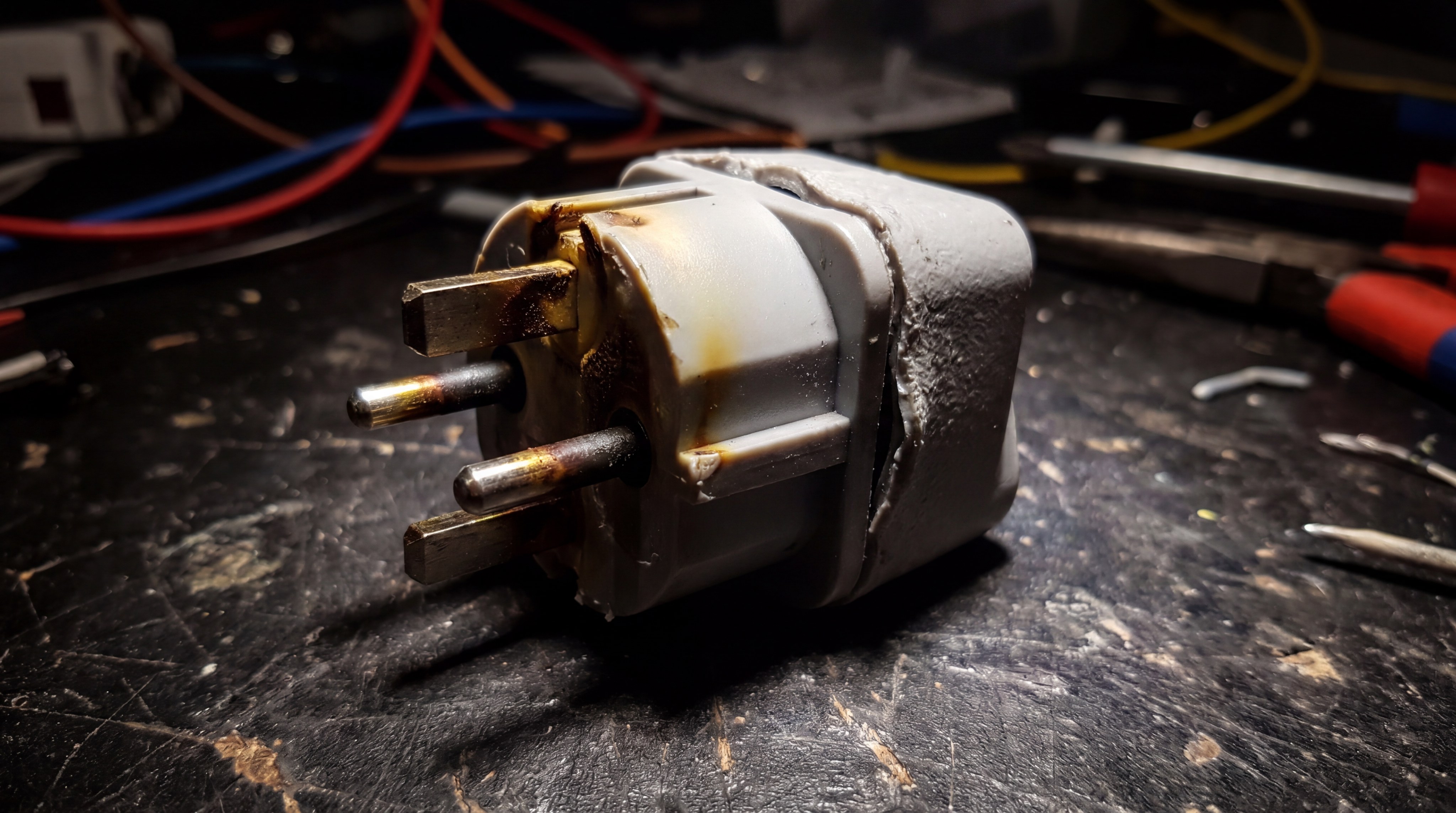
Yes, a low-quality new zealand power adapter built with substandard copper and brittle plastics can lead to arcing. These internal failures create extreme heat that can destroy your connected devices and create a fire hazard.
What are the signs of internal arcing?
Arcing often manifests as a faint buzzing sound or a flickering power light on your connected device. If you smell a “burning plastic” odor or notice the adapter is too hot to touch, you should disconnect it immediately.
Here is the deal:
- Discoloration around the pins is a sign of extreme heat.
- A loose fit in the wall socket encourages arcing.
- Burnt smells indicate the internal insulation is failing.
How does thermal stress affect the housing?
Constant exposure to heat causes non-certified plastics to become brittle and crack. Once the housing is compromised, live electrical components may be exposed, creating a severe danger to anyone touching the device.
Think about it:
- UV exposure and heat cycles weaken cheap polymers.
- Cracks allow moisture to enter the electrical circuit.
- Structural failure can lead to pins getting stuck in the socket.
Key TakeawayInvesting in high-grade materials prevents the arcing and thermal breakdown that lead to equipment loss and personal injury.
| Failure Point | Cause | Risk | |
|---|---|---|---|
| Pin Arcing | Thin copper/Poor fit | Fire Hazard | |
| Brittle Housing | Low-grade recycled plastic | Electric Shock | |
| Internal Short | Lack of safety shutters | Device Failure | |
| Overheating | Thin internal wiring | Component Melting |
Quality housing materials are the primary barrier between a safe charging session and a dangerous electrical malfunction.
9. Is USB-C integration safe in a New Zealand power adapter?
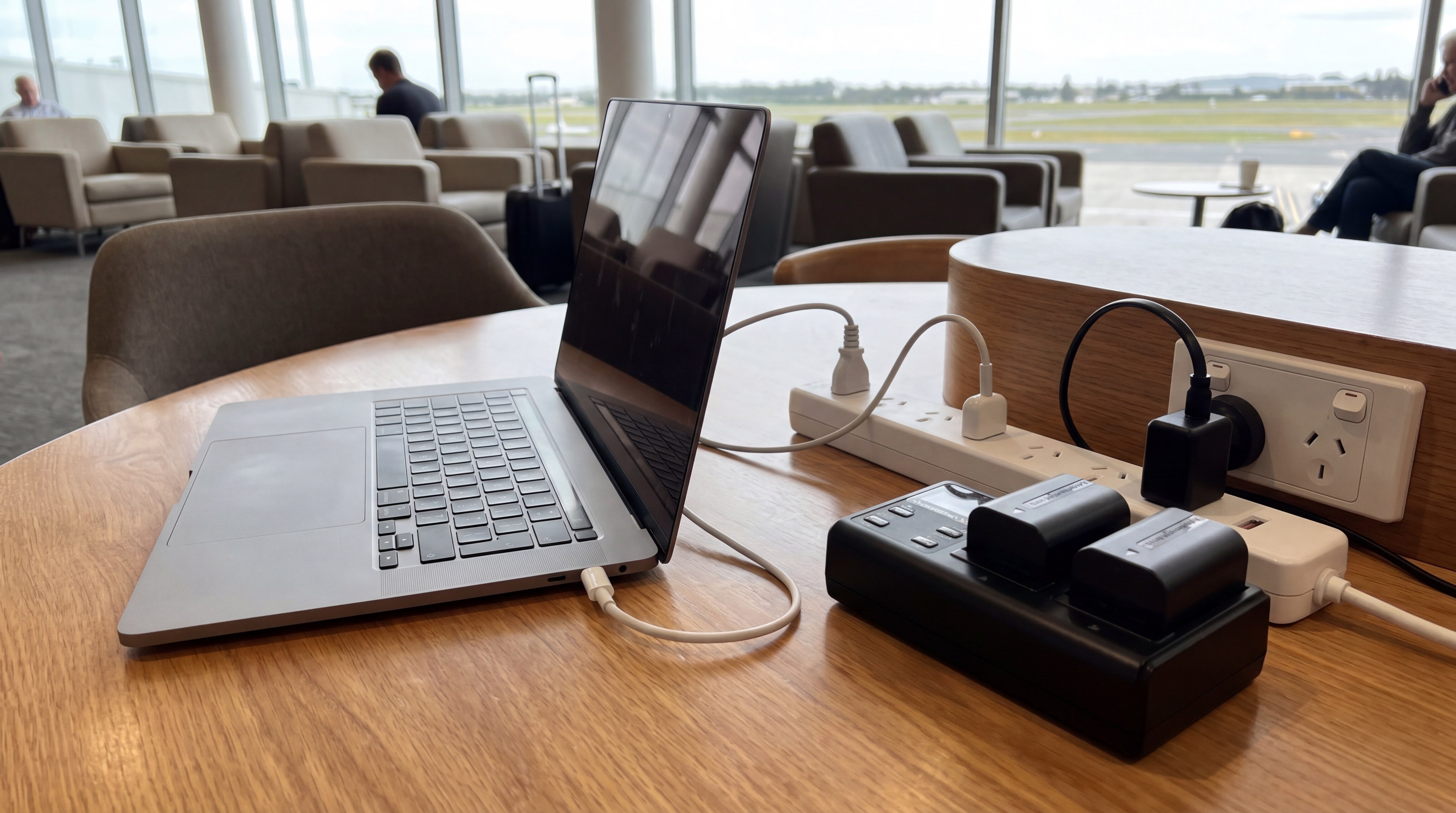
USB-C integration is highly safe as long as the adapter includes a “Smart IC” chip to manage power delivery. This technology ensures that the adapter communicates with your phone or laptop to provide the exact voltage required.
Why is PD (Power Delivery) important for laptops?
Power Delivery (PD) allows a USB-C port to provide up to 100W of power, which is necessary for modern laptops. Without PD, your laptop might charge extremely slowly or not at all while you are using it.
But wait, there’s more:
- PD automatically adjusts voltage from 5V to 20V.
- It protects your battery from overcharging and overheating.
- One cable can power everything from headphones to tablets.
Do shared ports reduce the charging speed?
Most multi-port adapters share their total wattage across all active connections. If you plug in three devices at once, the power is split, which may result in slower charging times for your primary laptop.
Here is the deal:
- A 65W adapter might drop to 45W when a second phone is added.
- Smart IC chips prioritize the highest-draw device.
- Always check the “Total Output” vs “Per Port Output” specs.
Key TakeawayUSB-C integrated adapters with PD technology are a modern essential, offering fast charging and safety for all your mobile devices.
| Feature | Importance | Benefit | |
|---|---|---|---|
| Smart IC | Essential | Battery Protection | |
| PD Support | High | Fast Laptop Charging | |
| Multiple Ports | Convenient | Multi-device Support | |
| GaN Tech | Optimal | Smaller Size/Less Heat |
Advanced power management chips ensure that even compact travel adapters can safely handle high-power laptop requirements.
10. Where can you find a high-quality bulk New Zealand power adapter?

To secure a reliable new zealand power adapter for commercial use, you should partner with an experienced manufacturer that owns dual production bases. Verified factories provide the stability, quality control, and certification support required for large-scale procurement.
What should I ask during factory audits?
During an audit, focus on their testing procedures, specifically looking for 100% burn-in testing and SAA compliance. A transparent manufacturer will show you their IQC (Incoming Quality Control) and OQC (Outgoing Quality Control) logs.
But wait, there’s more:
- Ask for their ISO 9001 management certification.
- Verify their internal aging test durations.
- Inquire about the origin of their flame-retardant plastics.
How do fast sampling cycles protect timelines?
In a B2B environment, getting a physical sample in 3-5 days allows you to verify technical specs before placing a bulk order. This speed prevents market entry delays and ensures the adapter integrates perfectly with your hardware.
Here is the deal:
- Prototypes allow for physical fitment testing.
- Technical reviews catch errors before mass production.
- Dual-factory locations (Shenzhen/Dongguan) ensure supply stability.
Key TakeawayChoosing a factory-direct partner with decades of experience ensures that your bulk orders meet global safety standards and arrive on schedule.
| Sourcing Factor | Why it Matters | Goal | |
|---|---|---|---|
| Factory Direct | No Middlemen | Cost Efficiency | |
| Dual Bases | Risk Mitigation | Stable Supply | |
| 20+ Years Exp | Technical Expertise | Reliable Design | |
| Low MOQ | Flexible Scaling | Market Testing |
Working directly with a manufacturer provides the transparency and technical support needed to maintain a high-quality global supply chain.
Conclusion
Navigating the electrical requirements of New Zealand doesn’t have to be a complex task. By identifying the Type I plug standard, verifying your device’s voltage compatibility, and choosing SAA-certified hardware, you eliminate the risks of equipment failure and fire hazards. Whether you are an individual traveler or a procurement manager, the quality of your power connection is the foundation of your productivity abroad.
For professional-grade solutions tailored to your specific project needs, contact us today . We are committed to powering global innovation through certified, reliable, and high-performance charging technology that stands the test of time.
FAQ
Can I use my US phone charger in New Zealand?
Yes, but you will need a physical Type I plug adapter. Most phone chargers are dual-voltage (100-240V), so they only require a mechanical connection to the Kiwi outlet.
What is the best way to charge multiple devices at once?
I recommend using a multi-port USB-C travel hub with Power Delivery. This allows you to charge your laptop, phone, and tablet from a single New Zealand socket using only one adapter.
How do I know if my adapter is safe for a laptop?
Look for the SAA or UL certification marks on the device housing. A laptop requires significant power, so using an uncertified or lightweight adapter can lead to overheating and internal shorts.
Is it safe to use a “Universal” travel adapter?
Generally, no, as they often lack the secure physical fit required for heavy plugs. A dedicated Type I adapter is much safer and less likely to cause arcing or mechanical failure.
Should I buy an adapter before I travel or at the airport?
Purchase a high-quality, certified adapter before you leave home. Airport adapters are often overpriced and may not meet the same rigorous safety standards as those from specialized manufacturers.