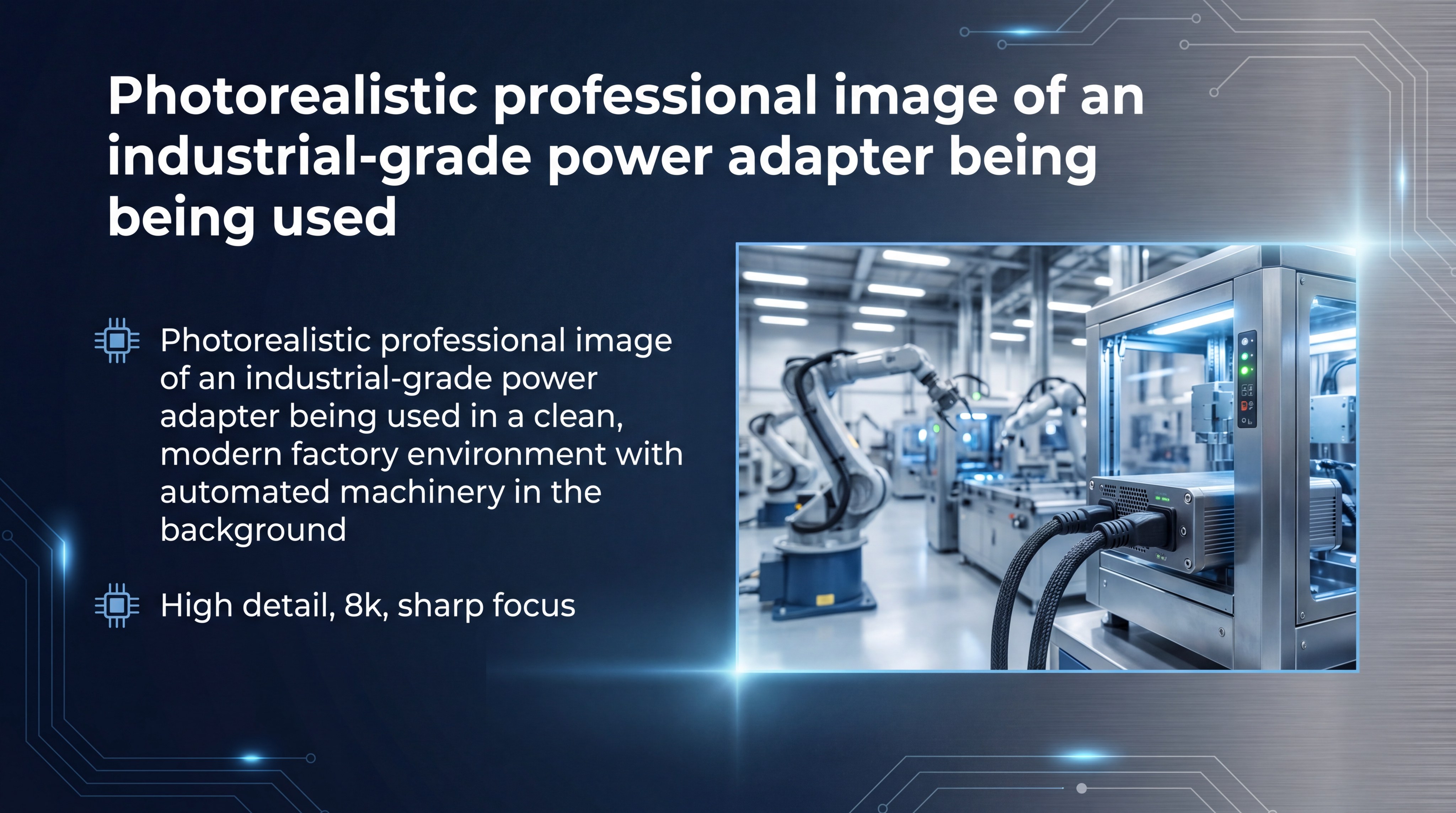
A power adapter converts high-voltage AC from the grid into a stabilized DC output suitable for your electronic equipment through a process of rectification and filtering. This external power adapter ensures that sensitive internal circuits receive a clean energy stream regardless of grid fluctuations.
Linear versus switching power supply designs
You might be wondering: Switching power supplies (SMPS) use high-frequency circuits to regulate voltage more efficiently than heavy, traditional linear transformers. These units are preferred for modern B2B deployments because they offer superior thermal management and a smaller physical footprint.
- Compact design for better device portability.
- Higher efficiency ratings (typically 80-90%+).
- Lower heat dissipation during continuous operation.
Key Takeaway: Modern SMPS technology is the industry standard for efficiency and size.
| Feature | Linear Supply | Switched-Mode (SMPS) | |
|---|---|---|---|
| Efficiency | 20% – 75% | 80% – 90%+ | |
| Weight | Heavy / Bulky | Lightweight / Compact | |
| Heat Output | High | Low |
Industrial-grade switching supplies offer the highest reliability for mission-critical hardware.
Why choose an external power adapter for hardware?
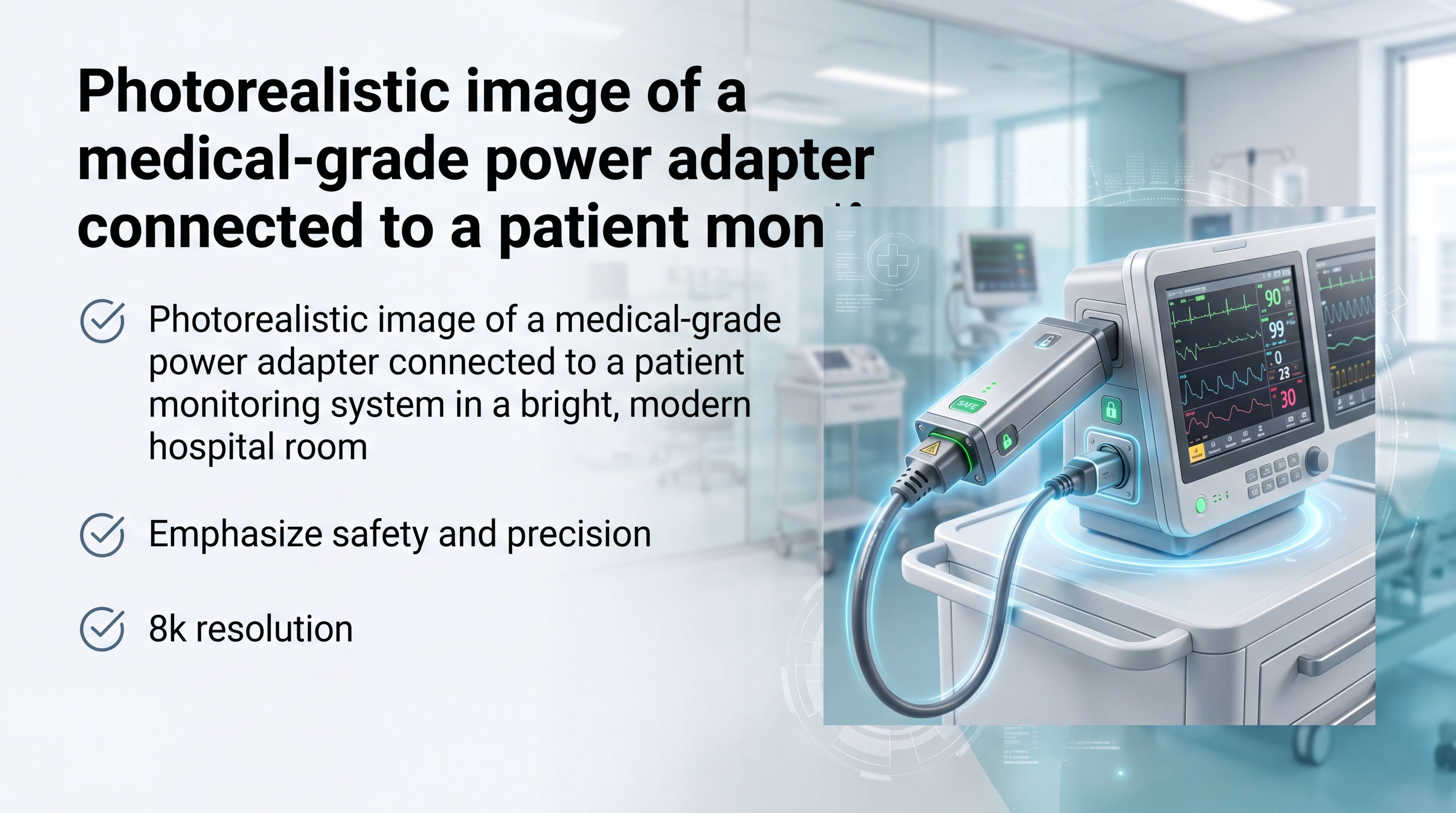
Using an external power adapter allows manufacturers to isolate hazardous high voltages and excessive heat from the primary device enclosure. This design strategy improves both product safety and portability by removing bulky power components from the main chassis.
Enhancing patient and user safety
Here is the deal: External housings ensure that users and personnel never interact with 120V or 240V mains power directly. This is especially vital for equipment used in healthcare or field environments where water or heavy usage is common.
- Reduced electrical shock risk for staff and customers.
- Simpler safety certifications for global distribution.
- Lower insurance liability for enterprise deployments.
Key Takeaway: Externalizing the power source creates a safer environment for end-users.
| Advantage | Impact on Device | Procurement Benefit | |
|---|---|---|---|
| Safety | Reduced shock risk | Lower insurance liability | |
| Thermal | Cooler operation | Longer component life | |
| Design | Slimmer profile | Increased portability |
Strategic use of external supplies drastically reduces the risk of internal hardware fire.
What are the issues with a low-quality power adapter?
A poor-quality power adapter can generate significant electromagnetic interference (EMI) that disrupts data transmission and Wi-Fi signals. These “energy vampires” often waste electricity even when the connected device is powered off, increasing your operational overhead.
Managing electromagnetic interference risks
Think about it. Inadequate shielding in cheap switching units radiates radio frequency noise that degrades overall system reliability in industrial settings. This noise can cause “ghost” reboots or lead to inaccurate data readings in sensitive monitoring equipment.
- Intermittent connectivity in wireless networks.
- Distorted signal noise in audio-visual equipment.
- Potential damage to delicate touchscreen sensors.
Key Takeaway: Shielded components are essential to maintain data integrity and prevent system lag.
| Failure Mode | Root Cause | Business Impact | |
|---|---|---|---|
| EMI Noise | Lack of shielding | Signal degradation | |
| Thermal Stress | Inefficient design | Hardware damage | |
| Energy Leak | High standby draw | Increased TCO |
Investing in high-grade filtering prevents the hidden costs of peripheral device interference.
How does GaN tech improve a power adapter?
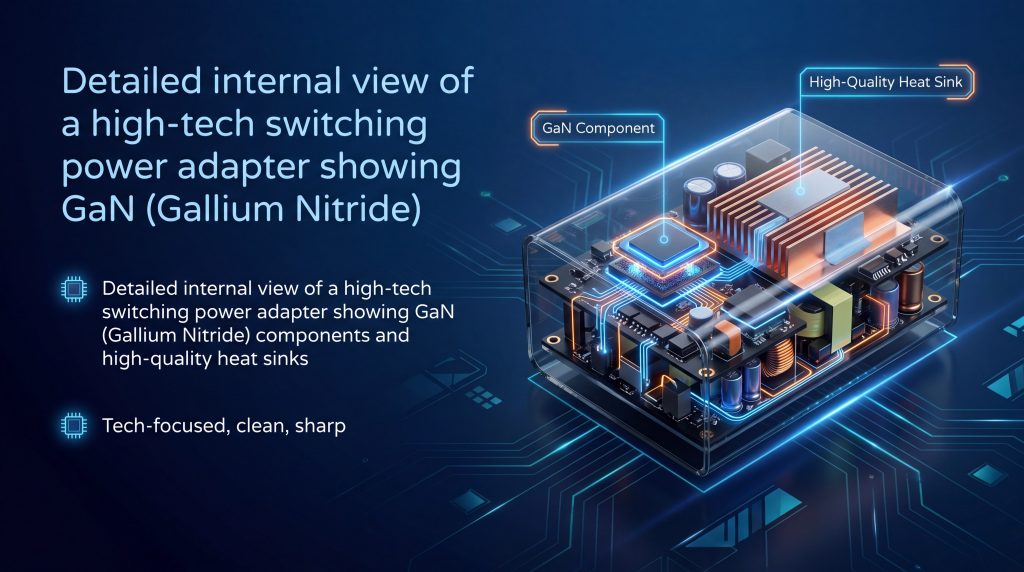
Gallium Nitride (GaN) components allow a power adapter to operate at higher switching speeds, resulting in significantly smaller and cooler units. This breakthrough technology is replacing traditional silicon to meet the rigorous energy needs of high-performance B2B hardware.
Size reduction and thermal management
Believe it or not. GaN chargers provide the same wattage as older models in a fraction of the physical size. This allows for cleaner workspaces and easier transportation for field service teams using powerful mobile workstations.
- Increased power density for compact deployments.
- Lower operating temperatures for extended hardware life.
- Advanced energy efficiency exceeding 92% in top models.
Key Takeaway: GaN technology is the premier choice for high-wattage, compact power.
| Metric | Level V (Silicon) | Level VI (GaN) | |
|---|---|---|---|
| Active Efficiency | Approx 85% | Up to 93% | |
| Heat Loss | Moderate | Very Low | |
| Portability | Standard | High |
GaN represents a significant leap forward in reducing the environmental impact of IT fleets.
Is a universal power adapter safe for enterprise?
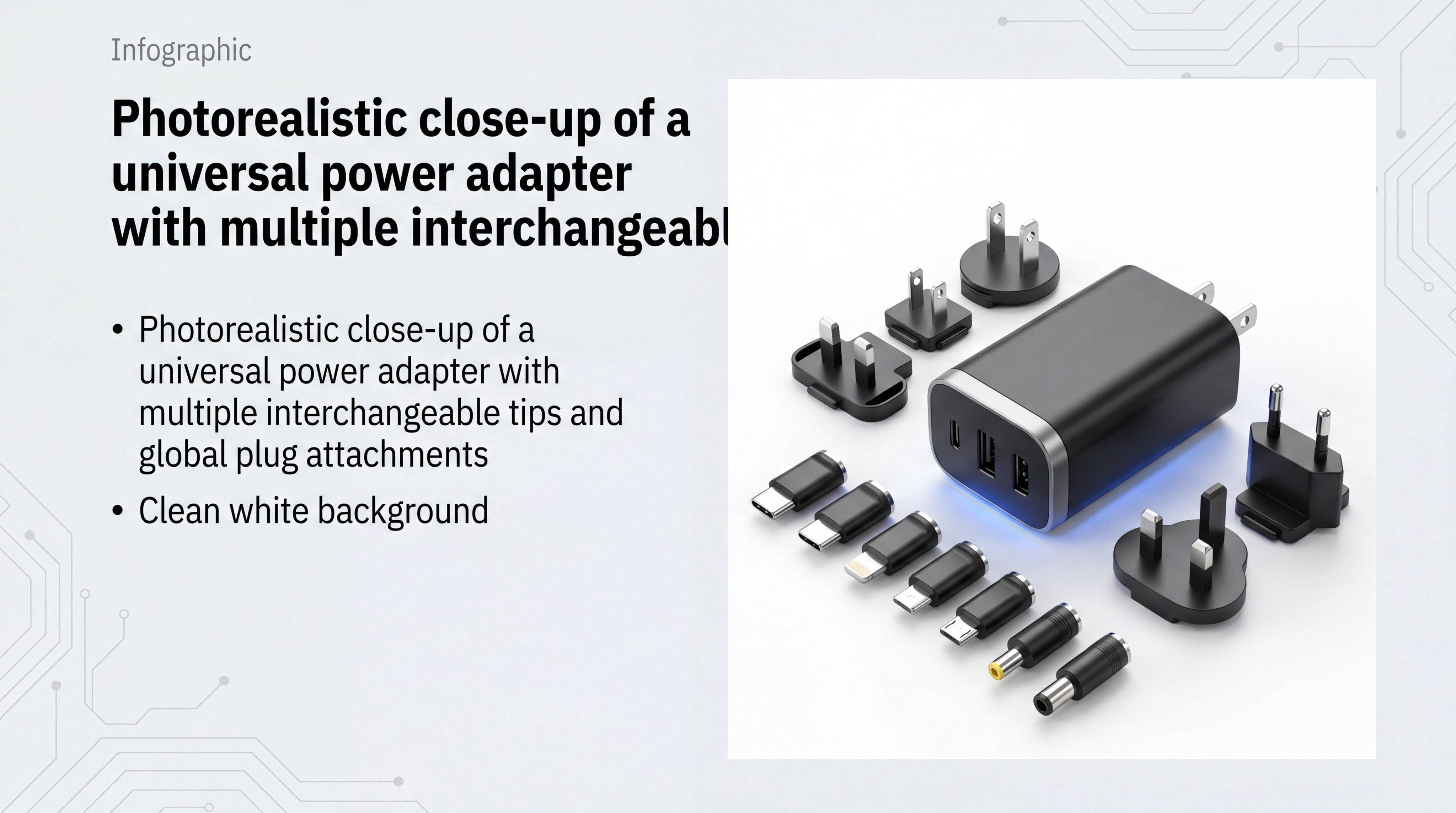
A universal power adapter is safe for your equipment provided it includes auto-sensing technology to prevent over-voltage errors. Using these versatile units can simplify your inventory management across diverse global sites and reduce electronic waste.
The role of auto-sensing smart tips
The best part? Professional-grade universal units detect the required voltage through specialized connectors, automatically locking out dangerous manual voltage settings. This failsafe mechanism ensures that a laptop or tablet always receives the precise current required.
- Significant reduction in unique power SKU counts.
- Prevention of catastrophic user error in the field.
- Full compatibility with diverse global hardware brands.
Key Takeaway: Auto-sensing universal adapters offer a low-risk solution for fleet standardization.
| Feature | Generic Universal | Professional Auto-Sensing | |
|---|---|---|---|
| Voltage Selection | Manual Switch | Automatic Detection | |
| Risk Factor | High (User Error) | Very Low (Safe-Lock) | |
| Application | Consumer / Home | Enterprise / Industrial |
standardizing on universal units with smart-tips can reduce logistics costs by 30%.
Why do B2B systems need a certified power adapter?
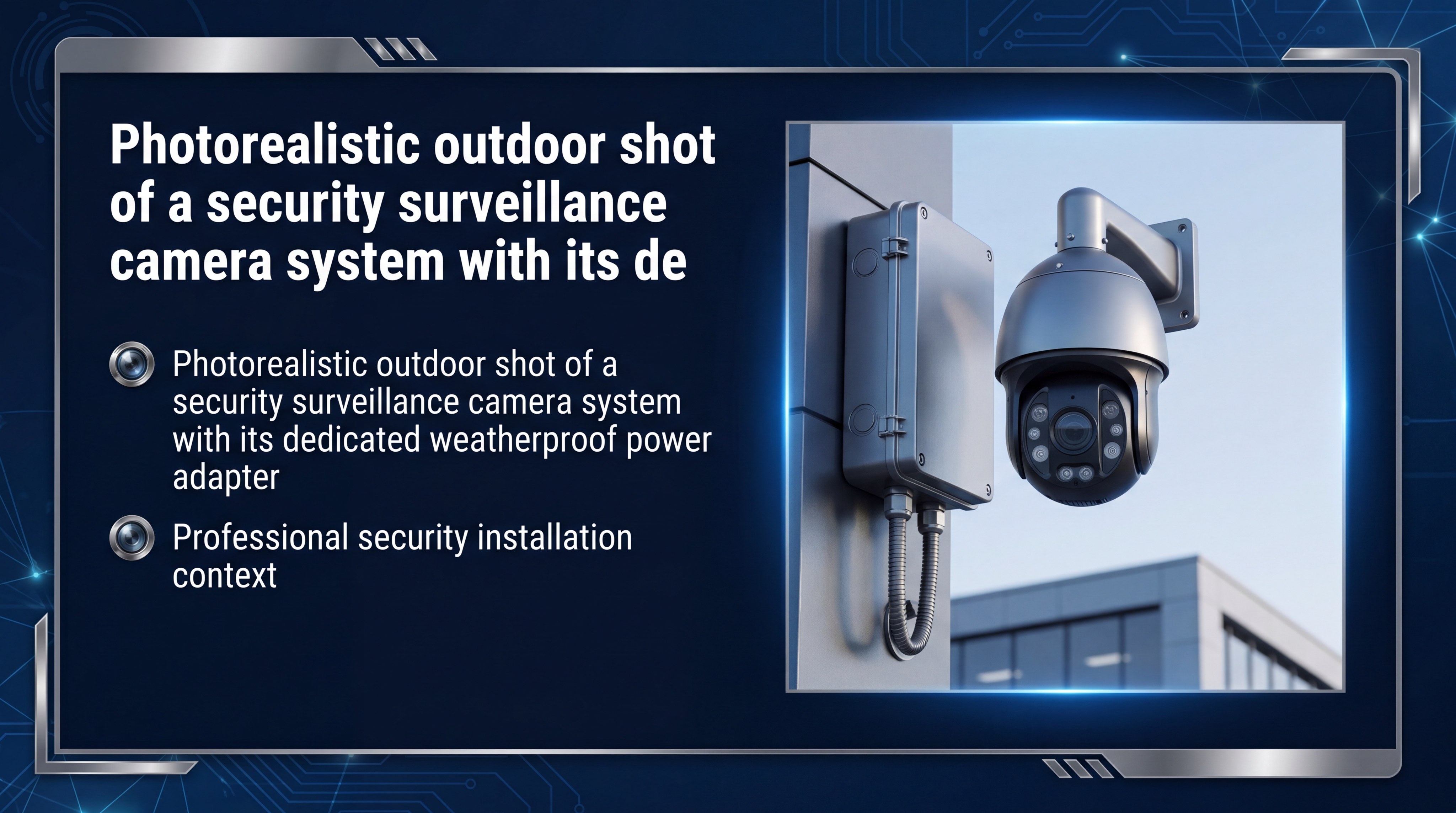
A certified power adapter ensures compliance with regional safety laws, protecting your business from fire hazards and legal liabilities. Organizations relying on security and surveillance must prioritize these certifications to ensure 24/7 operational uptime and equipment longevity.
Maintaining uptime in security operations
It gets better. Constant current and over-voltage protection prevent hardware failure during voltage spikes or extreme environmental stress. This is critical for cameras and recording systems that must function flawlessly in unpredictable outdoor conditions.
- Flicker-free performance for sensitive video sensors.
- Resistance to environmental heat, dust, and humidity.
- Verified safety marks such as UL, CE, GS, and PSE.
Key Takeaway: Certification is a non-negotiable insurance policy for industrial hardware.
| Industry | Primary Requirement | Critical Standard | |
|---|---|---|---|
| Security | 24/7 Continuity | IP67 (Weatherproof) | |
| Medical | Patient Isolation | IEC 60601-1 | |
| IT | Data Integrity | IEC 62368-1 |
Certified units drastically lower the Total Cost of Ownership by preventing hardware burnout.
How does Level VI impact your power adapter choice?
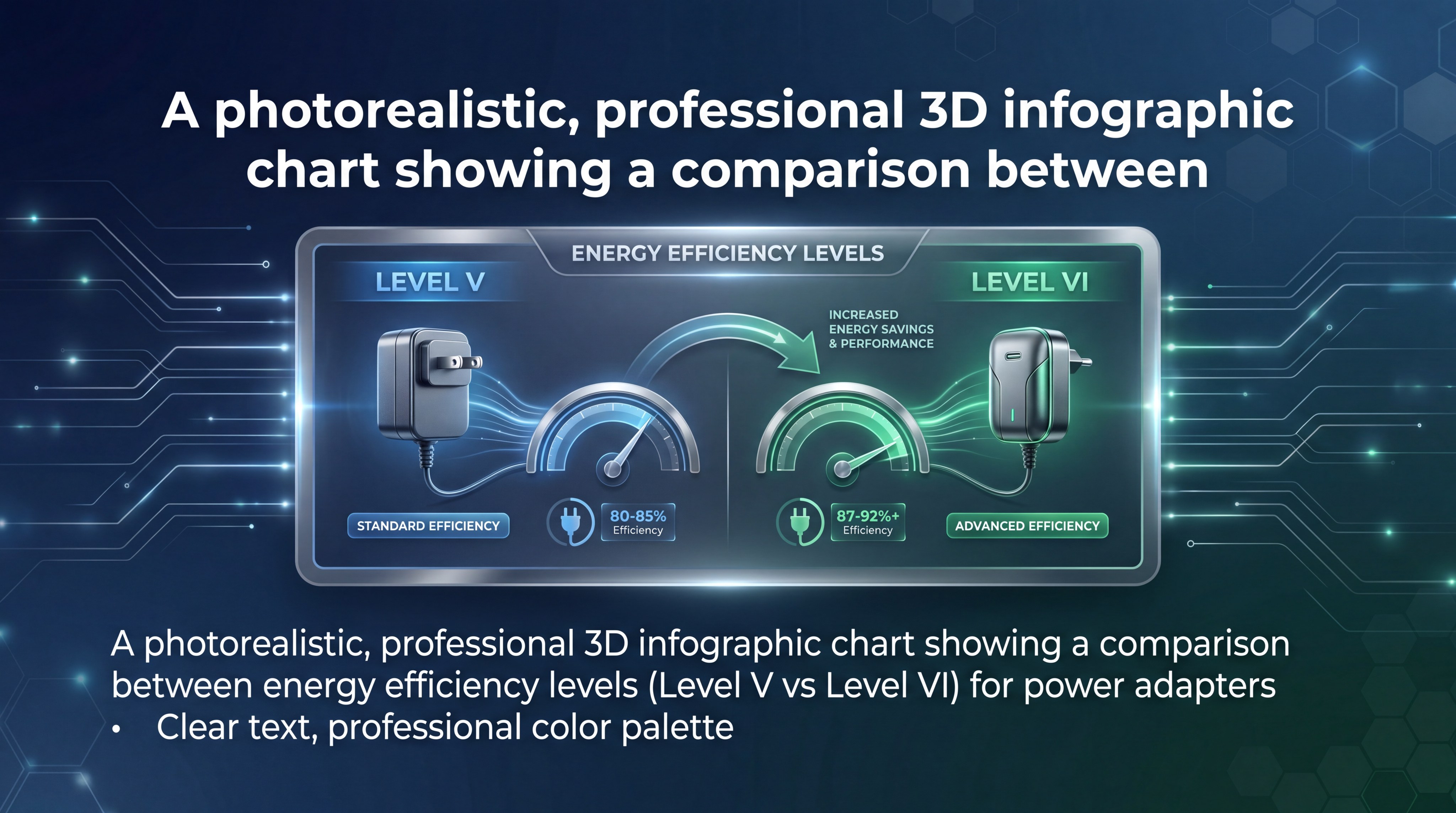
The Level VI efficiency standard dictates that a power adapter must consume minimal energy during both active and standby modes. Transitioning to these units reduces the Total Cost of Ownership (TCO) for large-scale enterprise device fleets.
Reducing the carbon footprint of IT fleets
In other words. Higher efficiency means less electricity is wasted as heat, lowering your facility’s cooling and energy costs simultaneously. Modern adapters also reduce “standby power” consumption, which can save thousands of dollars across a large organization.
- Compliance with mandatory DoE and ErP regulations.
- Substantial annual savings on utility bills for facilities.
- Improved thermal reliability for all connected parts.
Key Takeaway: Level VI compliance is mandatory for modern professional procurement.
| Standard | Idle Draw (Max) | Active Efficiency | |
|---|---|---|---|
| Level V (Old) | < 0.3W | Approx 85% | |
| Level VI (New) | < 0.1W | Up to 92%+ | |
| B2B Benefit | Cost Savings | Regulatory Safety |
The move to Level VI efficiency is a primary driver in meeting corporate sustainability goals.
What labels indicate a quality power adapter?
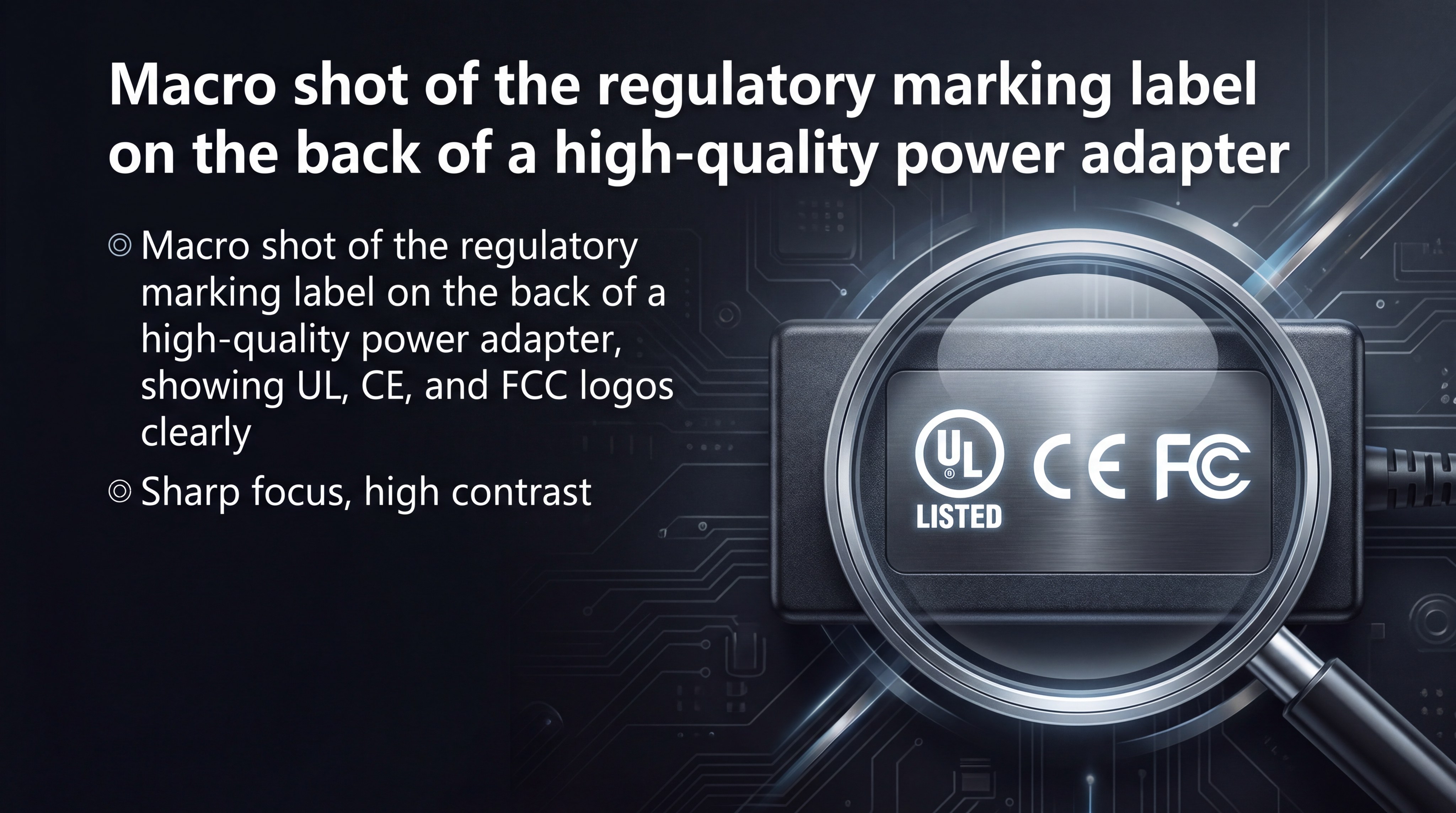
High-quality labels on a power adapter display critical safety marks such as UL, FCC, and CE, which prove the device has passed rigorous third-party testing. These marks are your primary defense against importing non-compliant electronics that could void insurance or cause fires.
Understanding global safety certifications
Here’s the bottom line. Each symbol represents compliance with specific electrical safety, radio frequency, and environmental protection laws across different global jurisdictions. A missing label on a B2B component is a red flag for poor manufacturing and potential danger.
- UL/cUL marks for North American fire safety.
- CE and GS marks for European health and safety.
- CCC and PSE marks for major Asian marketplaces.
Key Takeaway: Regulatory markings are the gold standard for verifying component quality.
| Region | Required Mark | Focus Area | |
|---|---|---|---|
| North America | UL / FCC | Fire & Radio Noise | |
| Europe | CE / GS | Safety & Environment | |
| Asia | PSE / CCC | Consumer Protection |
Always cross-reference certificate numbers with lab databases to ensure the marks are genuine.
Why is MTBF vital for an industrial power adapter?
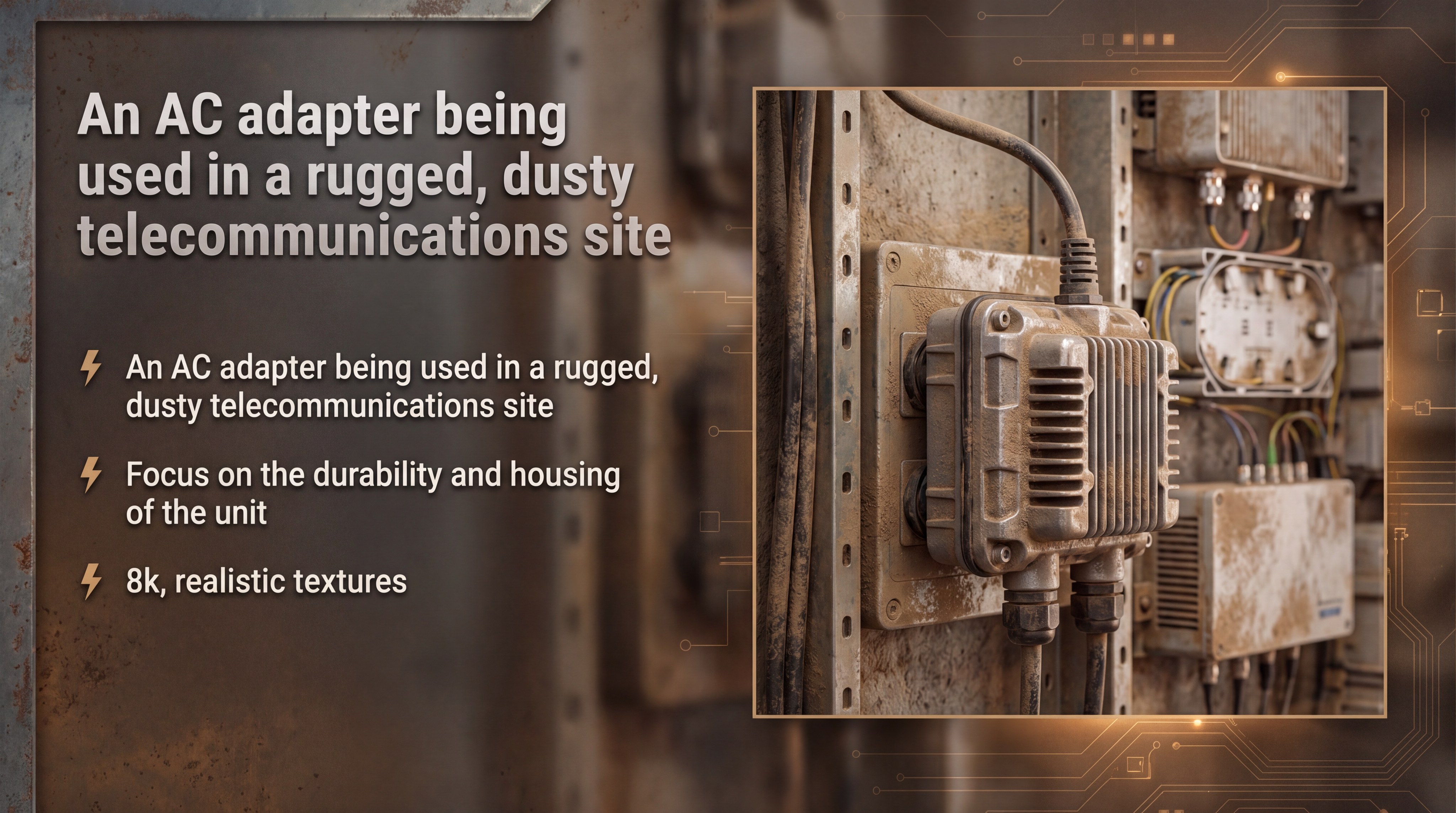
The Mean Time Between Failures (MTBF) of an industrial power adapter is typically double that of consumer-grade units, often reaching over 100,000 hours. This reliability is essential for information and communication infrastructure where any downtime results in lost revenue.
Maximizing ROI through durable construction
The reality is: Industrial adapters utilize flame-retardant 94V-0 housings and high-grade capacitors to withstand harsh factory or outdoor environments. These units are designed for continuous 24/7 operation under full load without thermal degradation.
- Extended warranty periods of 3 to 5 years.
- 100% aging tests to catch potential manufacturing defects.
- Extreme durability against physical vibration and dust.
Key Takeaway: High MTBF ratings significantly reduce long-term maintenance and replacement costs.
| Feature | Consumer Grade | Industrial B2B Grade | |
|---|---|---|---|
| MTBF | 10k – 20k Hours | 50k – 100k+ Hours | |
| Warranty | 1 Year | 3 – 5 Years | |
| Housing | Basic Plastic | Flame-retardant 94V-0 |
A high-reliability power source is the best insurance policy for your expensive networking gear.
How to select the correct power adapter specs?
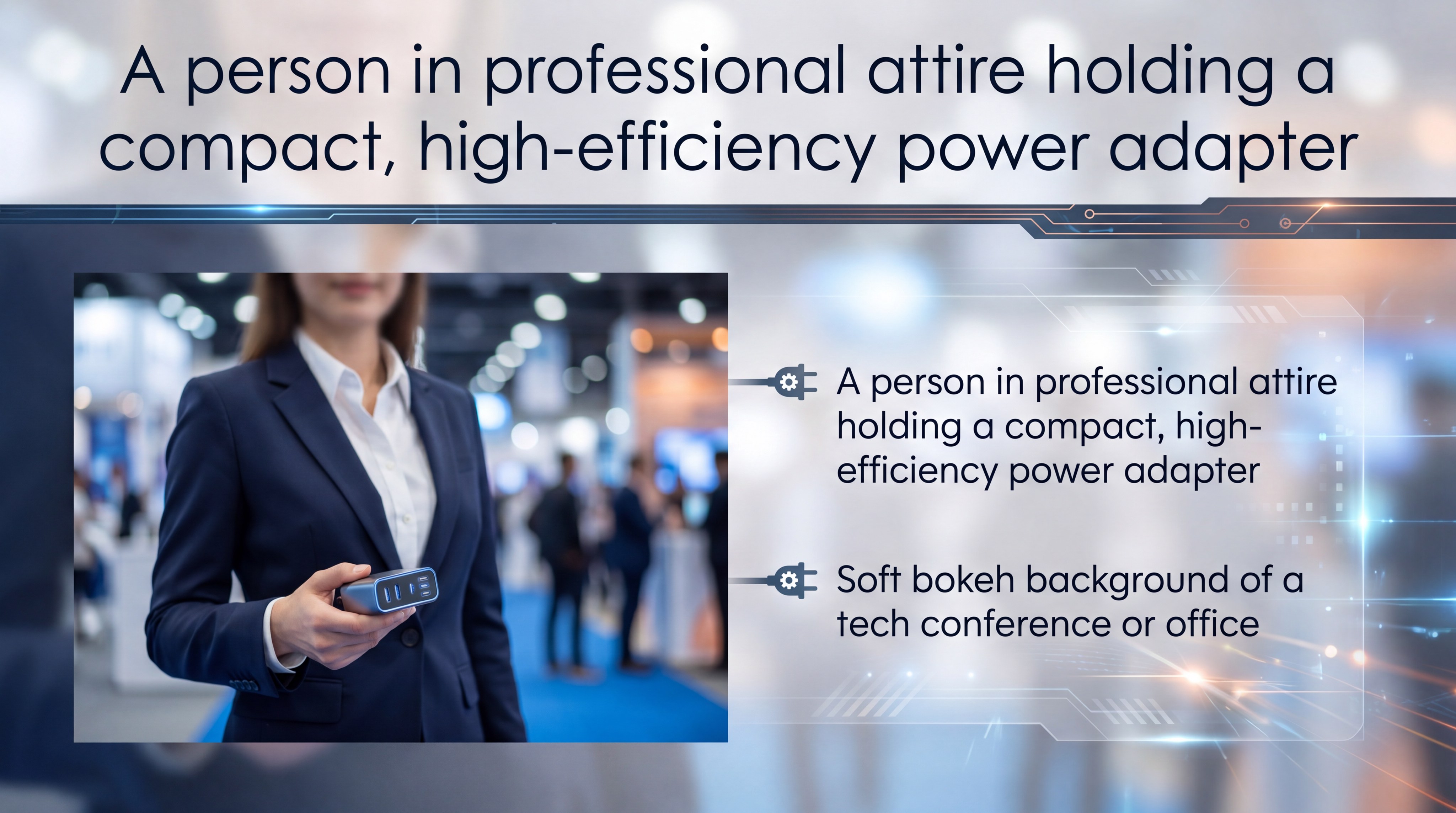
Selecting the right power adapter requires matching the exact voltage of your device while ensuring the amperage meets or exceeds the hardware’s draw requirements. Providing 20% “headroom” prevents the supply from running at 100% capacity, which helps it stay cooler during peak loads.
Matching voltage and verifying polarity
Keep this in mind. Connecting an adapter with incorrect polarity—center-negative versus center-positive—can permanently destroy your device’s motherboard in seconds. Always verify the polarity icon on the device label before connecting any secondary power source.
- Verify the center-positive or center-negative icon.
- Ensure the DC plug fits securely without electrical arcing.
- Confirm the input range is universal (100-240V AC).
Key Takeaway: Exact voltage matching is the most critical step in hardware safety.
| Step | Metric | Goal | |
|---|---|---|---|
| 1. Voltage | Exact Match | Prevent Circuit Burnout | |
| 2. Amperage | Match or Exceed | Prevent Power Starvation | |
| 3. Polarity | Correct Orientation | Avoid Polar Reversal Damage |
Never compromise on voltage matching, as even a 1-volt difference can cause terminal damage.
Frequently Asked Questions
- Can I use a higher amperage adapter for my device?Yes, your device will only draw the current it needs. Using a higher amperage rating is actually safer because the adapter will run much cooler.
- What’s the best way to prevent cable fraying?Avoid tight coils when storing your hardware. Choosing adapters with reinforced strain relief and ferrite beads helps maintain physical and electrical integrity over time.
- How do I know if my adapter is failing?Signs of failure include excessive heat, buzzing sounds, flickering lights, or physical bulging of the plastic case. Replace such units immediately to avoid fire risks.
- Can I use a laptop charger for my smartphone?If it is a modern USB-C PD charger, yes. The charger and phone will negotiate a safe voltage automatically through a digital “handshake.”
- What’s the best efficiency level for B2B procurement?Always specify Level VI (DoE) or ErP Tier 2. This ensures your equipment meets modern energy laws and keeps your operational utility costs as low as possible.
Partner with an expert manufacturer to secure your enterprise power chain. For professional consultation and high-performance power solutions, please contact us today . Our vision is to power global innovation with zero-defect quality and unparalleled engineering support.