South Africa power adapter certification requirements dictate that all external power supplies imported, sold, or distributed within the country must successfully secure a Letter of Authority (LOA) from the National Regulator for Compulsory Specifications (NRCS). Imagine shipping a massive order of high-value electronic devices to Johannesburg, only to have the entire cargo seized and held indefinitely at the port of entry because of a minor power component. You face daily port storage fees, angry local buyers threatening to cancel contracts, and the looming threat of your inventory being destroyed. Securing a reliable South Africa power adapter certification for your power supplies is the only way to avoid these logistics bottlenecks and protect your investment.
What Are South Africa Power Adapter Certification Requirements?
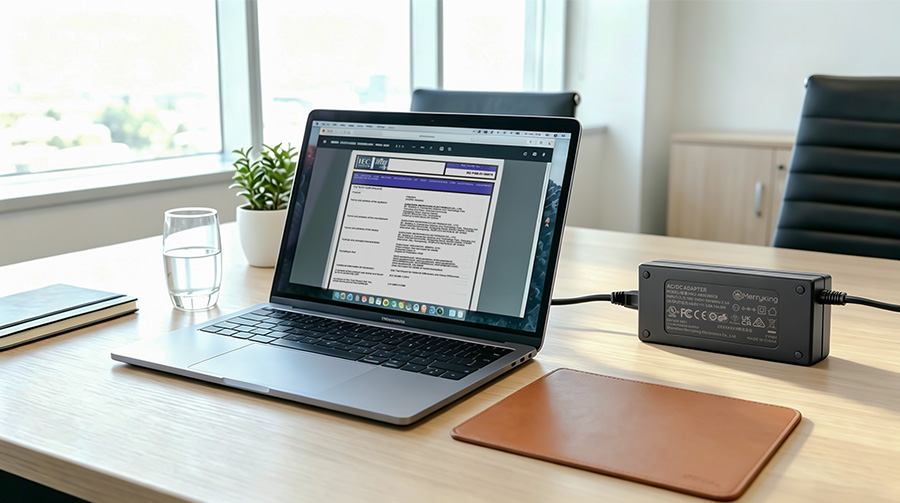
South Africa power adapter certification requirements consist of safety regulations and administrative steps designed to ensure electrical devices do not pose hazards to users or local infrastructure. Securing these approvals is a legal necessity managed by the National Regulator for Compulsory Specifications (NRCS) under specific safety guidelines. Manufacturers must obtain a valid South Africa power adapter certification before their products can enter local retail channels.
Navigating this framework requires submitting complete technical safety dossiers to government authorities for detailed reviews. The process ensures that every power supply matches the specific electrical parameters of the South African power grid.
How does the NRCS enforce these rules?
Think about it: the NRCS acts as a strict regulatory gatekeeper at all ports of entry. If you attempt to ship adapters without proper clearance, customs agents will immediately flag your consignment.
- Customs officials cross-reference product shipments with the national LOA database.
- Non-compliant shipments face immediate confiscation and potential destruction.
- Local distributors are legally prohibited from purchasing unapproved hardware.
Who must apply for this documentation?
Look at this: both international manufacturers and domestic South African importers share the legal responsibility of obtaining certification. You must establish who holds the technical dossier and who is registered as the importer of record.
- International manufacturers must provide accredited test reports to their local partners.
- South African importers must register with the NRCS and hold an active business license.
- Third-party agencies can manage the administrative pipeline to avoid bottlenecks.
Key Takeaway: Aligning your corporate roles and understanding who is responsible for each certification step guarantees that your corporate entity remains fully compliant and avoids major border disputes.
| Certification Stage | Responsible Party | Core Requirement | |
|---|---|---|---|
| Testing Phase | Accredited Laboratory | SANS-compliant test report | |
| LOA Application | Importer of Record | Comprehensive technical dossier |
Analyzing this framework shows that coordinated preparation between you and your local partners is the fastest path to market entry.
Why Does South Africa Power Adapter Certification Matter for Exporters?
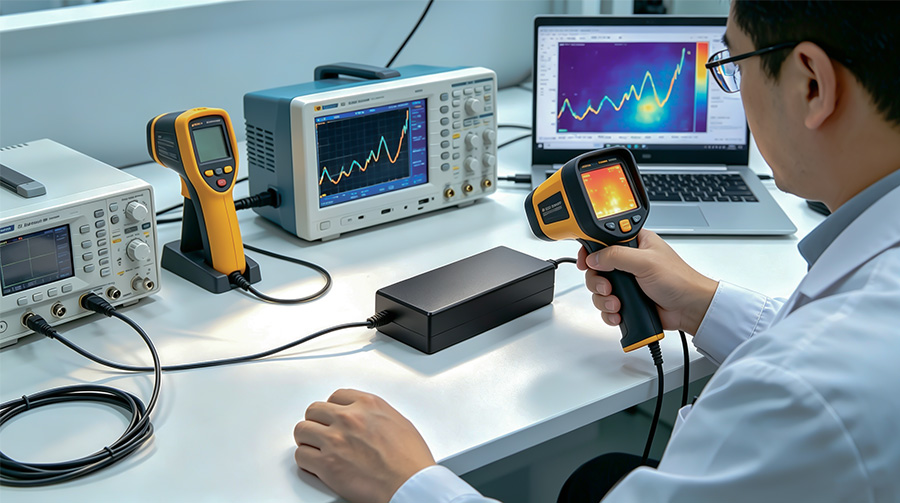
South Africa power adapter certification is vital for exporters because it prevents legal liability, costly cargo rejections, and commercial delays at customs. By ensuring your products meet the local regulatory standards, you maintain uninterrupted supply chains and strong distribution agreements. Obtaining this South Africa power adapter certification establishes your brand as a reliable supplier in a rapidly growing economic region.
Neglecting these requirements can ruin your relationship with regional buyers and lead to crippling financial penalties. This proactive compliance strategy serves as a protective shield for your international trade investments.
What are the financial risks of non-compliance?
Here is the thing: the cost of a compliance failure far exceeds the initial investment needed to secure an NRCS Letter of Authority when you export power adapter to South Africa. You could face charges that wipe out your entire profit margin for the quarter.
- Demurrage and daily warehouse storage fees at major South African ports.
- Total loss of inventory if customs authorities order the destruction of your goods.
- Contractual penalties and lost sales opportunities from retail partners.
How does compliance improve market credibility?
The best part? Having a certified product instantly positions your business as an elite player in the African electronics sector. Local corporate buyers actively seek partners who can deliver pre-approved hardware without administrative hassle.
- Builds long-term trust with Tier-1 distributors and national retail chains.
- Reduces sales friction during B2B negotiations and bulk purchasing cycles.
- Safeguards your brand identity against claims of low-quality or dangerous engineering.
Key Takeaway: Prioritizing your certification pipeline allows you to turn compliance into a powerful sales tool that unlocks premium distribution channels.
| Risk Category | Non-Compliant Cost | Compliant Strategy | |
|---|---|---|---|
| Customs Fees | $5,000+ in port penalties | Flat certification prep fee | |
| Retail Partnerships | Contract termination | Preferred vendor status |
Reviewing these financial trade-offs makes it clear that investing in compliance early is the most cost-effective path for any exporter.
Which Safety Standards Apply to South Africa Power Adapter Certification?
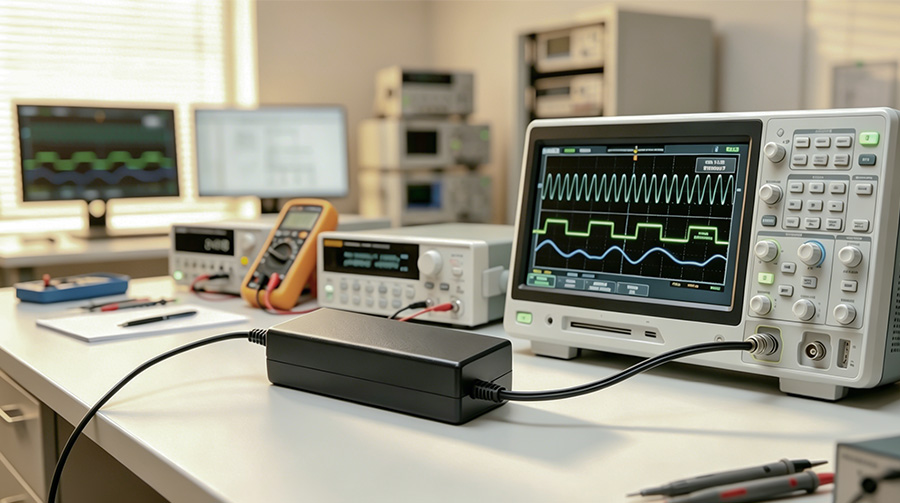
The primary safety standards that apply to South Africa power adapter certification are centered around the hazard-based SANS 62368-1 framework, which has replaced legacy safety testing codes. Your technical engineering must align strictly with these requirements to pass the evaluation of the South African Bureau of Standards (SABS). Choosing a partner experienced in South Africa power adapter certification is critical for ensuring your internal power designs match these exact electrical safety benchmarks.
These harmonized safety rules protect end-users from physical hazards like electric shocks and high-temperature burns. Understanding the exact SANS codes prevents costly hardware revisions after production.
What is the significance of the SANS 62368-1 power adapter standard?
Think about it: the SANS 62368-1 power adapter standard is a modern, hazard-based safety framework that applies to all information technology and audio-visual equipment. You must ensure your hardware is evaluated under this protocol to keep your commercial sales legal.
- Combines traditional IT and AV standards into a single, comprehensive safety code.
- Evaluates the energy sources and the pathways through which energy can transfer to users.
- Replaces the legacy SANS 60950-1 and SANS 60065 compliance frameworks entirely.
What are the other key power adapter safety standards South Africa requires?
Look at this: safety standards extend beyond the internal circuit design to include the physical plug configuration and power cable insulation. You must address every component of the power supply assembly to secure complete compliance.
- Electro-magnetic compatibility (EMC) testing to prevent radio interference.
- SANS 164 configuration compliance for physical wall plug pin placement.
- Flame retardancy ratings for external plastic enclosures.
Key Takeaway: Ensuring your hardware meets SANS 62368-1 guarantees that your power supplies are compatible with the latest consumer tech safety regulations in South Africa.
| Standard Code | Target Applications | Primary Technical Focus | |
|---|---|---|---|
| SANS 62368-1 | ICT & Audio-Video Hardware | Hazard-based safety and energy-source management | |
| SANS 164 Series | Plugs and Socket Outlets | Physical pin dimensional tolerances and grounding |
Aligning your manufacturing blueprints with these specific SANS codes ensures your products pass laboratory safety audits without friction.
How Does NRCS Approval Affect South Africa Power Adapter Certification?
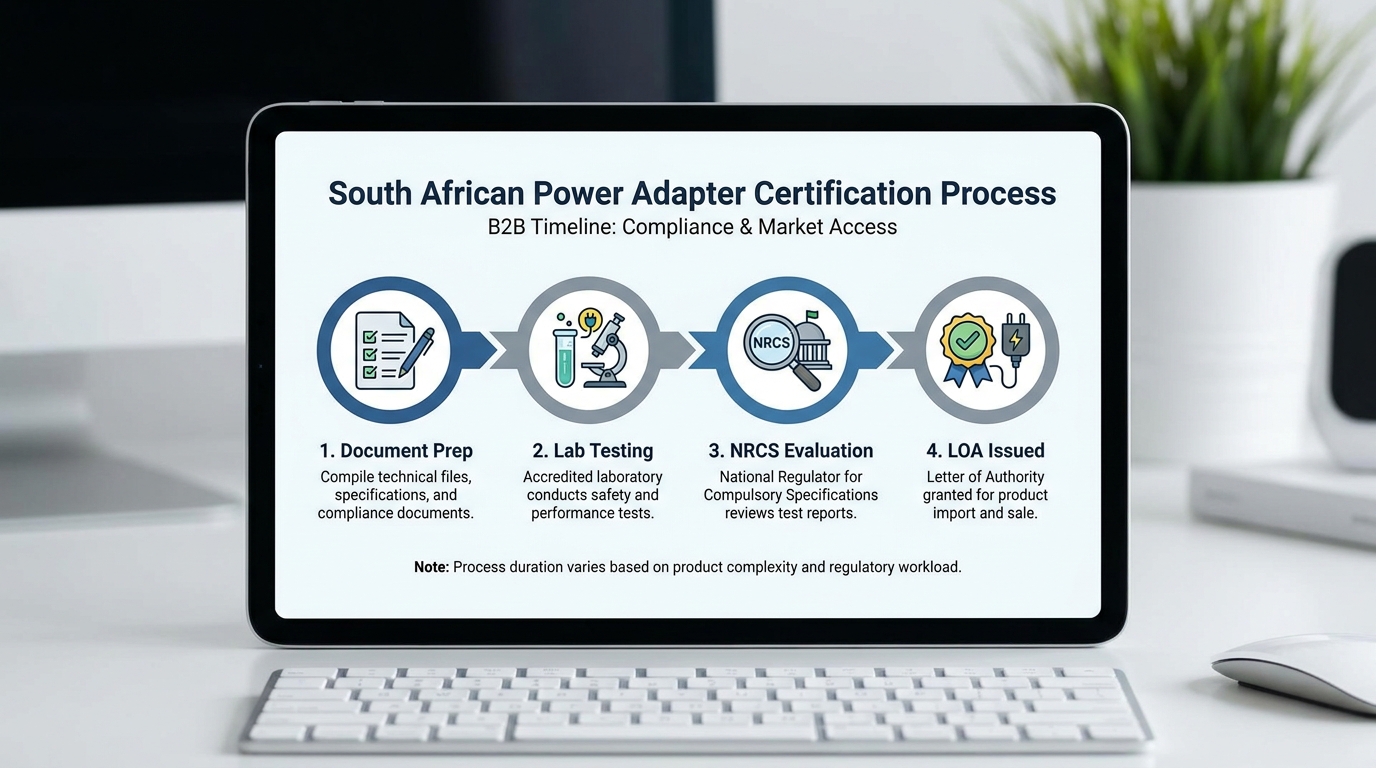
NRCS approval directly dictates the viability of your South Africa power adapter certification because it serves as the final administrative gateway for importing electronic hardware. Without an active Letter of Authority (LOA) issued by this regulatory agency, your shipments cannot legally pass through South African borders. This administrative review ensures that all incoming hardware matches the strict electrical safety standards established by local laws.
The NRCS evaluates your third-party test reports and factory profiles to verify manufacturing consistency. Understanding this agency’s specific administrative workflow is essential for setting realistic commercial launch timelines.
What is the role of the NRCS LOA certification?
Here is the thing: the NRCS LOA certification acts as your physical passport for customs clearance in South Africa. You cannot bypass this registration step, even if your power supply already holds European CE or American FCC approvals.
- Serves as the official legal permission to import and distribute electronic goods.
- Ensures all imported electrical apparatuses meet mandatory safety requirements.
- Enables customs officials to quickly verify the compliance status of your incoming containers.
How does the NRCS audit factory quality standards?
But wait, there’s more: the NRCS doesn’t just evaluate the test sample; they also verify that the manufacturing facility maintains strict quality standards over time. You must provide evidence of reliable quality systems to secure your LOA.
- Requires a valid ISO 9001 quality management system certificate from the factory.
- Involves checking manufacturing safety testing procedures during production runs.
- Includes potential post-market surveillance audits of retail products.
Key Takeaway: Navigating the NRCS LOA application early protects your supply chain from sudden regulatory roadblocks at the border.
| Approval Type | Issuing Body | Operational Function | |
|---|---|---|---|
| Letter of Authority | NRCS | Mandatory import and sales authorization | |
| SABS Mark (Optional) | SABS | Voluntary quality and safety endorsement for local markets |
Applying for your NRCS LOA as soon as safety testing finishes ensures your products are authorized for sale before your cargo arrives at port.
What Tests Are Required for South Africa Power Adapter Certification?
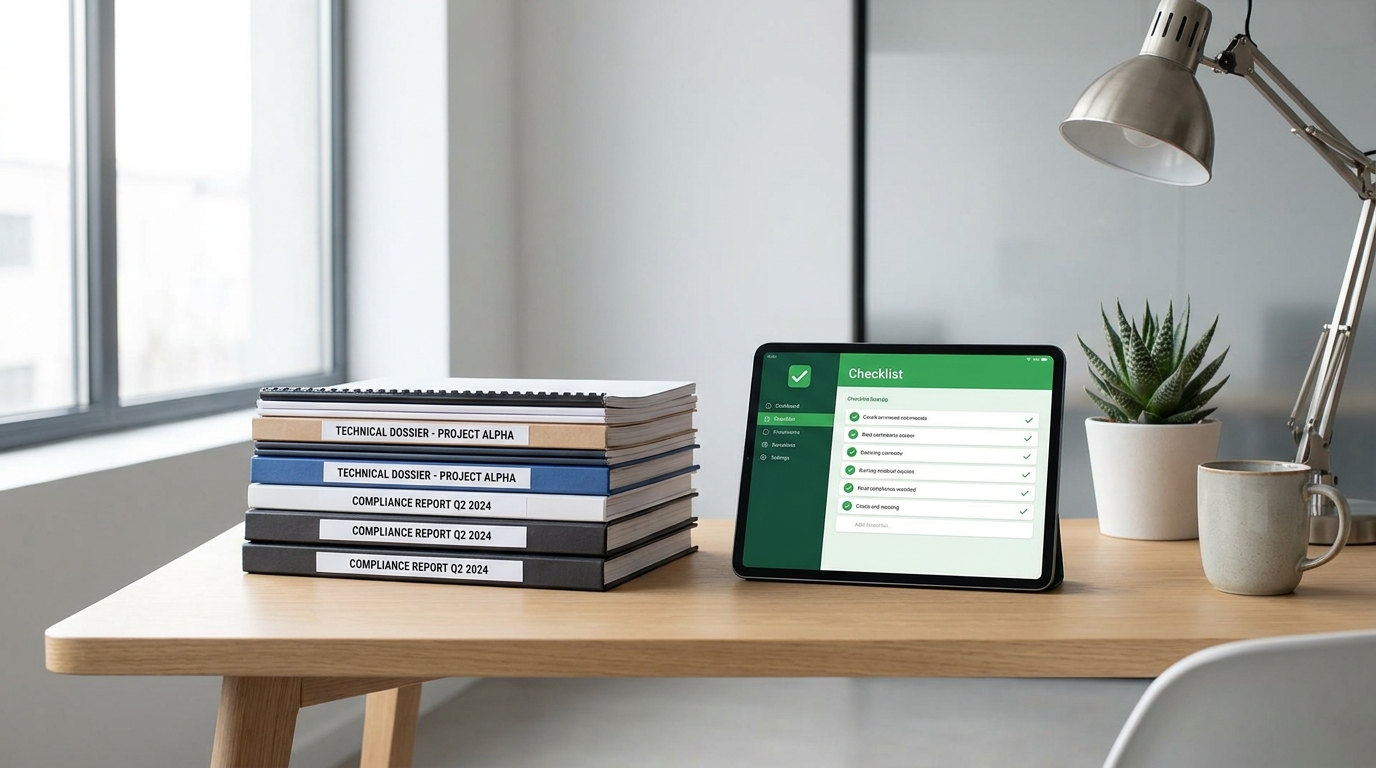
The specific tests required for South Africa power adapter certification include thorough laboratory evaluations of electrical insulation, thermal limits, and mechanical durability. These trials are designed to ensure the hardware will run safely under the fluctuating power conditions common to South Africa’s grid. Developing your products through a certified partner ensures your South Africa power adapter certification file contains all necessary laboratory test data.
These tests must be performed by an internationally accredited, third-party laboratory. Passing these rigorous assessments provides concrete proof that your power supply is safe for commercial use.
How does the dielectric strength test protect users?
Think about it: a high-voltage surge can easily destroy an uncertified power supply and cause severe injuries to anyone touching the device. You must prove your adapter can withstand sudden electrical spikes without breaking down.
- Subjects the internal insulation barrier to a high-voltage test.
- Measures leakage currents to ensure they remain within safe, micro-amp limits.
- Prevents electrical shocks by verifying the physical separation of high and low-voltage circuits.
Why is thermal testing critical for AC DC adapter South Africa certification?
Look at this: South Africa’s warm climate and potential power grid fluctuations can cause power units to heat up quickly during continuous operations. You must verify that your adapter’s housing maintains stable thermal performance.
- Monitors the temperature of critical internal parts like transformers and capacitors.
- Tests the flame-retardant properties of the plastic enclosure.
- Verifies the automatic thermal shutdown safety triggers under maximum load conditions.
Key Takeaway: Completing comprehensive laboratory testing under accredited SANS protocols ensures your adapters perform reliably under unpredictable real-world conditions.
| Test Category | SANS Target Parameter | Expected Outcome | |
|---|---|---|---|
| Dielectric Voltage | High-voltage insulation barrier | No dielectric breakdown or excessive leakage current | |
| Temperature Rise | Max thermal output at full load | Internal components operate safely below physical limits |
Using these validated test reports, the NRCS can confidently confirm that your power hardware presents no fire or shock hazards.
Which Documents Are Needed for South Africa Power Adapter Certification?
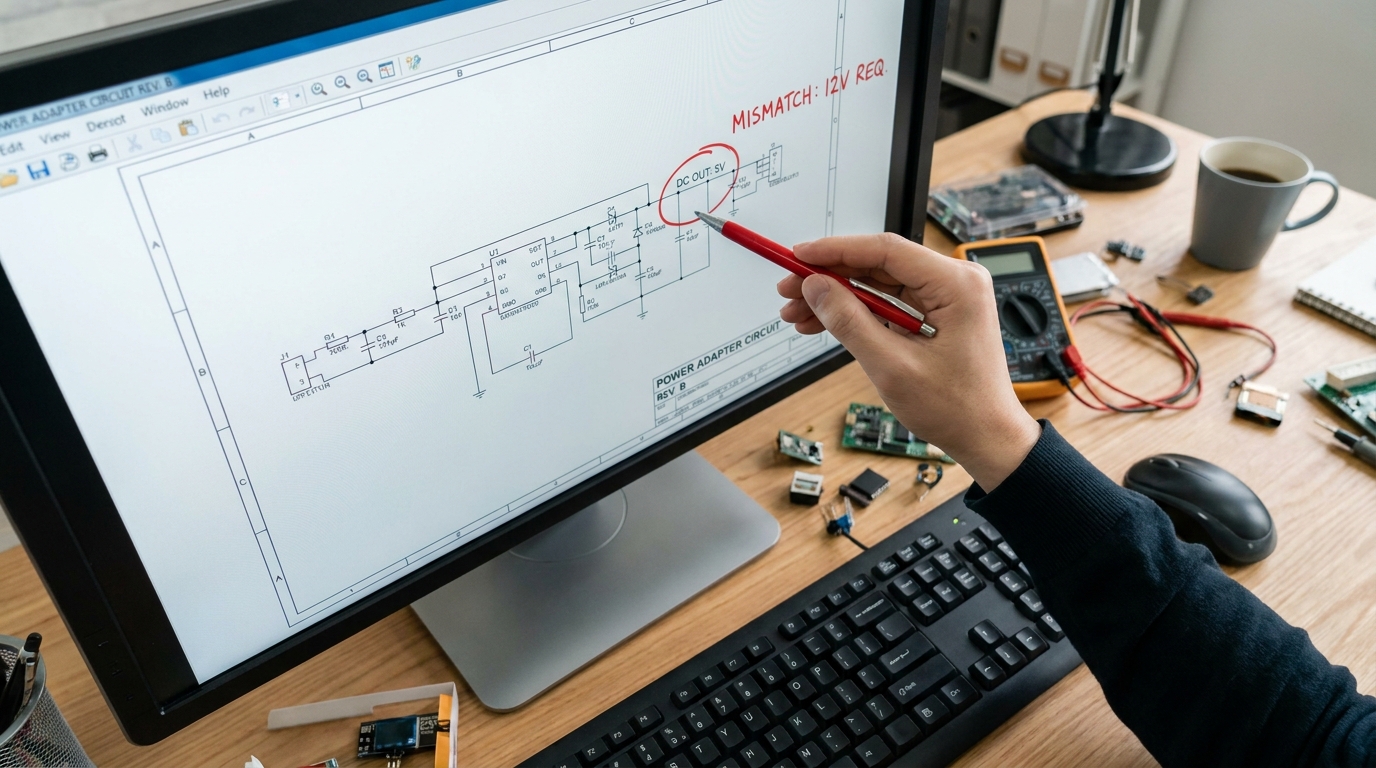
The documents needed for South Africa power adapter certification include a comprehensive technical dossier that details every electrical and physical aspect of your power supply design. Missing even a single file can cause the regulatory authorities to reject your application, causing costly delays. Compiling a perfect technical file is the most effective way to secure a swift South Africa power adapter certification review.
Your application must contain validated safety records from accredited international testing laboratories. Organizing these assets early prevents administration errors and speeds up the entire compliance timeline.
What safety reports must you provide?
Here is the thing: the NRCS relies heavily on international testing standards to accelerate their local certification decisions. You must submit valid test reports issued by an accredited laboratory under the IECEE CB scheme.
- A complete CB Test Report and CB Certificate verifying compliance with IEC/EN 62368-1.
- Valid test reports from an ILAC-accredited laboratory for EMC compliance.
- Proof of factory compliance, such as an active ISO 9001 certificate.
What physical design files are required?
Look at this: reviewers must be able to visually and structurally inspect your adapter through technical drawings. You need to supply high-resolution assets that clarify your manufacturing processes.
- Detailed schematic diagrams and PCB layouts of the internal circuitry.
- Clear, close-up photographs showing internal and external product construction.
- Drafts of the product rating label showing correct electrical ratings and safety symbols.
Key Takeaway: Preparing a comprehensive and perfectly translated technical dossier is the single best way to ensure your application passes the NRCS inspection on the first attempt.
| Mandatory Document | Source of Issuance | Verification Purpose | |
|---|---|---|---|
| CB Test Report | ISO 17025 Accredited Lab | Confirms safety compliance under international guidelines | |
| Circuit Schematics | Engineering Department | Verifies component arrangement and electrical safety design |
Maintaining complete control over these technical assets protects your intellectual property while streamlining the review process.
How Long Does South Africa Power Adapter Certification Take?
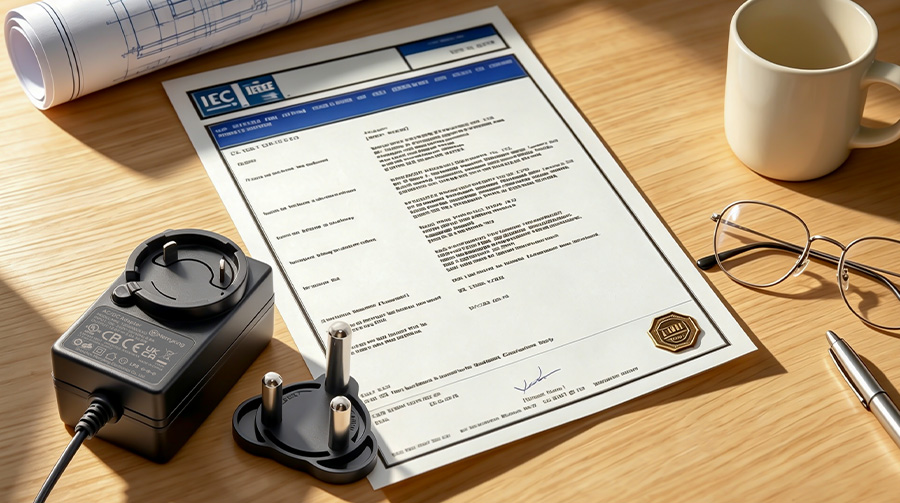
The timeline for South Africa power adapter certification typically spans from two to six months, depending on the completeness of your documentation and current regulatory workloads. Delays can occur if your technical files contain errors or require additional clarifications from the factory. Working with an experienced partner helps you plan around this timeline to secure your South Africa power adapter certification without unexpected bottlenecks.
This timeline includes both the physical testing of the adapter and the administrative review by the NRCS. Understanding these phases allows you to align your mass production schedules with your actual market launch dates.
How long does the laboratory testing phase take?
Think about it: laboratory testing is a meticulous physical process that cannot be rushed without compromising safety metrics. You must allocate sufficient time for the laboratory to run its thermal and electrical stress tests.
- Standard CB testing typically takes between 4 to 6 weeks.
- Testing speeds depend on the engineering complexity of the power supply.
- Securing pre-approved CB reports from your manufacturer can bypass this phase completely.
What determines the NRCS review speed?
Look at this: once your test reports are ready, they enter the official NRCS queue for final approval. The administrative review time can fluctuate based on seasonal filing volumes and documentation accuracy.
- Peak importing seasons often experience longer administrative queues.
- Incomplete technical dossiers will trigger formal queries, stalling your application.
- The average NRCS processing window for an LOA is between 8 to 12 weeks.
Key Takeaway: Planning your South African product launch at least six months in advance prevents logistics delays from disrupting your target release date.
| Certification Stage | Average Duration | Key Project Dependency | |
|---|---|---|---|
| Safety Testing (CB) | 4 to 6 Weeks | Lab queue and sample delivery speed | |
| NRCS LOA Review | 8 to 12 Weeks | File accuracy and administrative workloads |
Analyzing these key phases shows that starting your documentation prep early is the best way to compress the path to market.
What Common Mistakes Delay South Africa Power Adapter Certification?

Several simple administrative and technical errors can stall your South Africa power adapter certification progress and lead to immediate rejections from the NRCS. These delays are usually caused by a lack of familiarity with South Africa’s specific regulatory requirements and local power grid standards. By identifying and avoiding these common pitfalls, you can complete your South Africa power adapter certification review smoothly and efficiently.
Minor clerical errors, such as mismatched model names on different documents, are the most frequent causes of application failures. Ensuring total consistency across your safety reports and labels prevents these frustrating administrative setbacks.
Are you using expired or invalid CB reports?
Here is the thing: many exporters assume any international safety certificate is acceptable, only to have their applications rejected. The NRCS enforces strict criteria regarding the age and validity of your laboratory data.
- CB safety reports must be less than three years old from the application date.
- The testing lab must hold valid, active ILAC accreditation.
- Test standards must align with the current SANS framework, not legacy codes.
How do physical plug discrepancies cause rejections?
Think about it: your adapter’s physical plug must perfectly match South Africa’s electrical socket standards. If your manufacturer supplies an incompatible plug design, your entire shipment will be blocked at the port.
- Adapters must comply with SANS 164 configuration standards.
- The physical dimensions of the plug pins must match precise national tolerances.
- Using unapproved, low-quality travel adapters is legally prohibited for new retail hardware.
Key Takeaway: Performing a thorough compliance audit of all technical files and physical prototypes before submitting your application prevents expensive delays.
| Common Pitfall | Regulatory Consequence | Corrective Action | |
|---|---|---|---|
| Expired Test Reports | Immediate application rejection | Maintain up-to-date CB files | |
| Incompatible Plug Design | Cargo impounded at customs | Design specifically for SANS 164 sockets |
Addressing these critical compliance risks during your pre-production phase guarantees a smooth, predictable path through customs.
How Can Manufacturers Prepare for South Africa Power Adapter Certification?
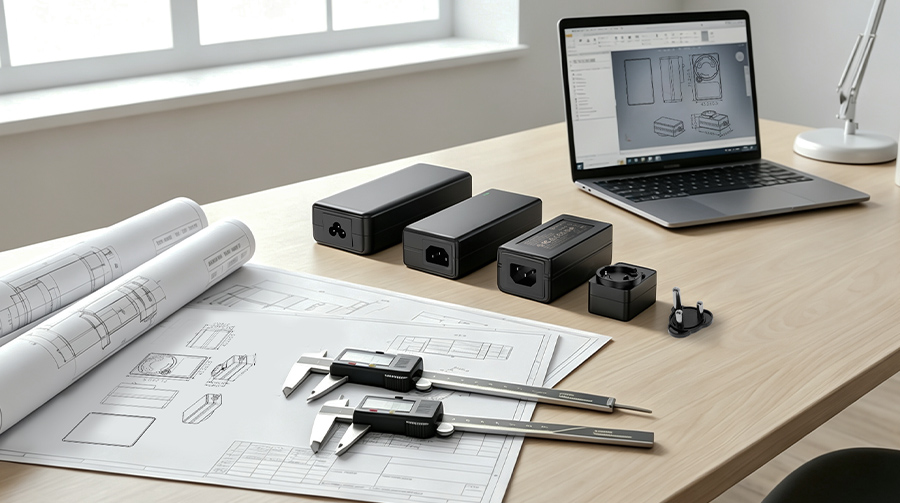
Manufacturers can prepare for South Africa power adapter certification by integrating regional electrical and physical parameters directly into their early product design phases. Designing your power supplies to meet these specific standards prevents the need for expensive engineering redesigns late in development. Partnering with a proactive manufacturer ensures your products are designed for South Africa power adapter certification from the very start.
This pre-compliance strategy involves optimizing internal circuitry, choosing appropriate external casing materials, and selecting compatible wall plugs. This engineering preparation makes securing final approvals much easier and more cost-effective.
How do you design for the South African electrical grid?
Look at this: the South African power grid operates at 230V AC at a frequency of 50Hz. You must design your internal power components to operate reliably under these power parameters to prevent product failures.
- Use high-quality capacitors rated for voltage fluctuations and surge protections.
- Ensure internal transformer coils are insulated to handle continuous voltage loads.
- Design efficient heat dissipation pathways to prevent overheating in warmer climates.
What are the requirements for the South Africa plug type M power adapter?
Think about it: while the classic South Africa plug type M power adapter is still widely used for heavy appliances, modern consumer devices require slimmer, safer plug styles. You must select the physical plug interface that best fits your target application and complies with SANS regulations.
- SANS 164-1 (Type M) features three large round pins for heavy electrical equipment.
- SANS 164-2 is the modern, compact three-pin standard for household electronic devices.
- All molded plugs and power cords must carry SABS or approved safety markings.
Key Takeaway: Integrating SANS 164-compliant plugs and durable electrical protection directly into your hardware design removes the biggest physical obstacles to local certification.
| Design Element | South African Standard | Key Engineering Focus | |
|---|---|---|---|
| AC Grid Input | 230V / 50Hz | Voltage tolerance and surge protection circuits | |
| Plug Configuration | SANS 164 Series | Exact pin geometry and physical safety grounding |
Aligning your physical design parameters with these local requirements from day one ensures a fast, trouble-free production cycle.
How Can a Certified Factory Support South Africa Power Adapter Compliance?

Working with an experienced, certified factory is the most effective way to guarantee your South Africa Power Adapter Compliance remains complete and hassle-free. An established manufacturer already possesses the required international test reports, quality systems, and engineering expertise to streamline your regulatory process. This strategic partnership removes the complexity of managing safety documentation, allowing you to focus on expanding your business.
A qualified partner can provide customized label designs, pre-certified hardware designs, and full support during the NRCS review. This professional assistance speeds up your market entry while reducing compliance expenses.
Why should you choose a certified power adapter manufacturer?
The best part? A certified power adapter manufacturer will have extensive experience handling international compliance dossiers, including the specific requirements of the NRCS. You can leverage their technical resources to secure your approvals quickly.
- Immediate access to existing CB certificates and complete test reports.
- Proven ISO 9001 quality control systems that ensure manufacturing consistency.
- Expert engineering support to quickly customize labeling and model names.
How does a certified factory ensure consistent product quality?
Look at this: regulatory compliance is not a one-time step; your physical production units must consistently match the safety parameters of your test samples. A certified factory uses automated quality control systems to maintain these high standards.
- Automated testing of every unit for dielectric strength and voltage stability.
- Traceable component sourcing to ensure all materials meet safety specifications.
- Regular internal audits to maintain international manufacturing credentials.
Key Takeaway: Partnering with a pre-certified manufacturer allows you to bypass expensive testing cycles and launch your products in South Africa with absolute confidence.
| Factory Capability | Technical Value | Business Impact | |
|---|---|---|---|
| Pre-certified Designs | No need to pay for original CB testing | Faster time-to-market and lower up-front costs | |
| ISO 9001 Controls | Guarantees every shipment matches test data | Prevents product recalls and customs issues |
Working with a certified manufacturing partner ensures your supply chain remains fully compliant, highly efficient, and profitable over the long term.
Accelerate Your South African Market Entry
Navigating the complex South Africa power supply certification requirements does not have to stall your business growth or lead to costly logistics delays. When you partner with us, we take the stress out of compliance by delivering SANS-compliant power adapters with complete, up-to-date technical dossiers. We handle the engineering and documentation hurdles so that your brand can enter the South African market with zero administrative friction. Please feel free to contact us today to explore our range of pre-certified power adapters and secure a seamless global deployment. Together, let us power the future of global technology with absolute safety, reliability, and engineering excellence.
Frequently Asked Questions
Can I export power adapters to South Africa without an NRCS LOA?
No, you cannot. All external power supplies require an active Letter of Authority (LOA) from the NRCS before they can legally clear customs and enter the local market.
What’s the best plug type to use for South Africa power adapters?
The SANS 164-2 plug is the best choice for modern consumer devices. This compact design is the current national standard for safe and efficient household and office electrical connections.
How do I know if my manufacturer is a certified power adapter manufacturer?
You can verify this by requesting their current ISO 9001 quality certificates and existing CB safety test reports. A reputable manufacturer will share these documents transparently to prove their compliance.
Can I use an old SANS 60950-1 report for a new NRCS application?
No, you cannot. The legacy SANS 60950-1 standard has been replaced by SANS 62368-1, and the NRCS requires all new applications to comply with this modern, hazard-based standard.
How do I check if my CB test report is valid for NRCS LOA certification?
Your CB report is valid if it is less than three years old and was issued by an accredited laboratory. The report must explicitly cover the relevant IEC/SANS safety standards for your product type.