RoHS compliance for power supplies is a mandatory environmental safety standard that restricts the use of ten hazardous substances to protect public health and prevent ecosystem damage during e-waste disposal. Sourcing electronic components for global distribution is increasingly complex, and securing an unverified power adapter can result in sudden customs seizures and heavy financial penalties. A single non-compliant PVC cable jacket, lead-soldered capacitor, or heavy-metal terminal can compromise your entire hardware system, leaving your shipments stranded at international borders while your competitors capture market share. To safeguard your business and secure global market entry, sourcing a certified RoHS compliant power supply from a transparent direct-source manufacturer is the ultimate strategy.
What Is a RoHS Compliant Power Supply?
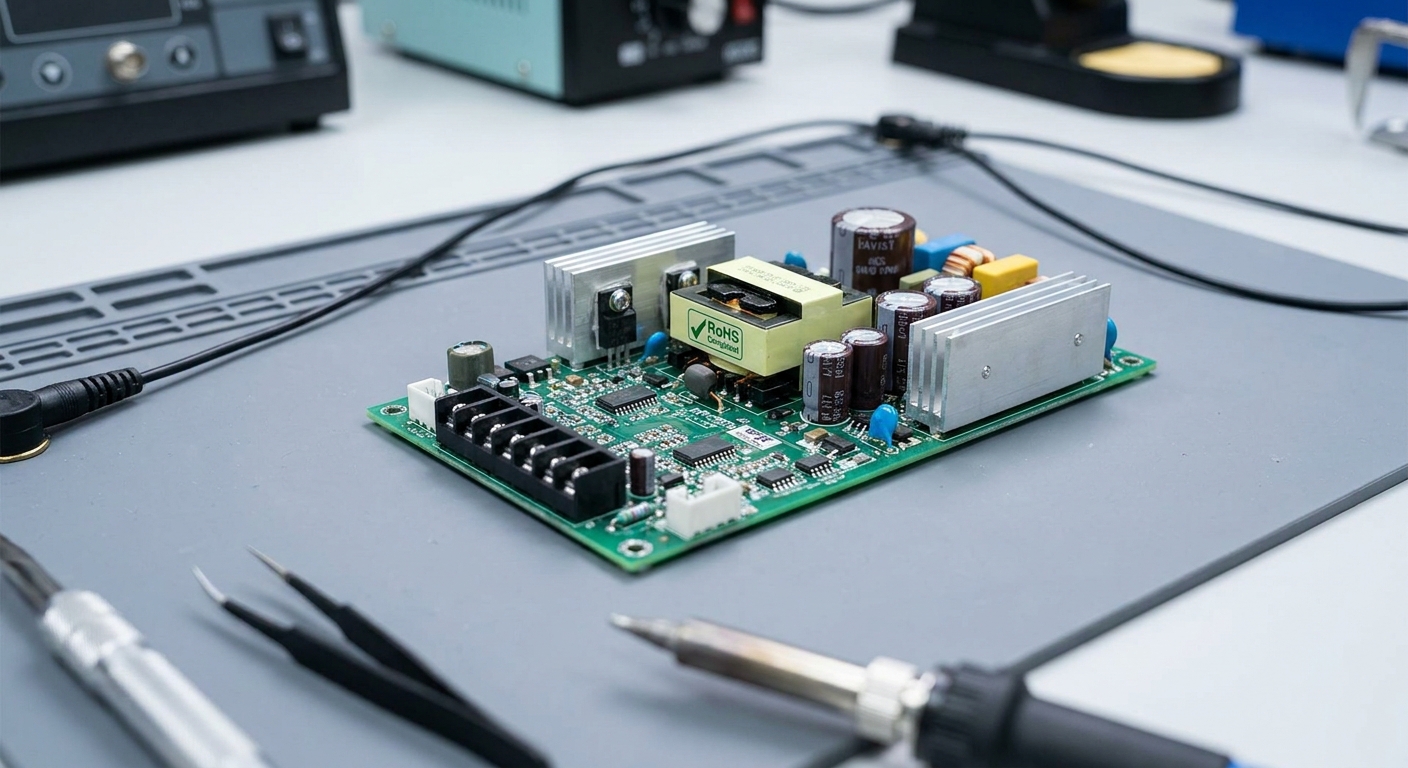
A RoHS compliant power supply is an electrical device designed and built to limit ten prohibited hazardous chemicals below strict parts-per-million limits. Selecting an eco-friendly RoHS compliant power supply requires a comprehensive redesign of traditional circuit boards, solder compositions, and plastic component housings. This ensures that the final assembly meets active international environmental mandates.
How Does It Differ From Standard Units?
Standard power adapters historically relied on leaded solders and plasticizers that are toxic to human health and the environment. Under modern green directives, manufacturers must switch to lead-free alloys and halogen-free plastics. Here is the deal: standard power supplies might operate identically to compliant ones, but their chemical profile poses major regulatory risks.
- Lead-free solder (such as SAC305) replaces traditional lead-tin mixtures.
- Phthalate-free plastics replace standard flexible PVC cable jackets.
- Halogen-free housings reduce toxic fumes during accidental combustion.
Why Did the Standards Evolve to RoHS 3?
The directive evolved to RoHS 3 (Directive 2015/863) to target four hazardous phthalate plasticizers commonly found in power cables. These chemicals are highly toxic to human endocrine systems and accumulate easily in environmental food chains. Manufacturers had to overhaul their polymer supply chains to replace these plasticizers with stable, non-toxic alternatives.
Key Takeaway: Ensuring your power supplies comply with RoHS 3 protects public health and guarantees that your products will not face immediate recalls due to toxic materials.
| Regulatory Era | Core Restriction Scope | Main Impact on Power Design | |
|---|---|---|---|
| RoHS 1 (2002) | Restricts 6 primary substances | Transition to lead-free solder alloys | |
| RoHS 2 (2011) | Mandatory CE and technical files | Compulsory declaration of conformity | |
| RoHS 3 (2015) | Restricts 4 additional phthalate plasticizers | Reformulation of PVC wire insulation |
Understanding the fundamental chemical composition of safe power devices naturally shifts our focus to the commercial and legal imperatives of compliance.
Why Is RoHS Compliance Critical for Power Hardware?
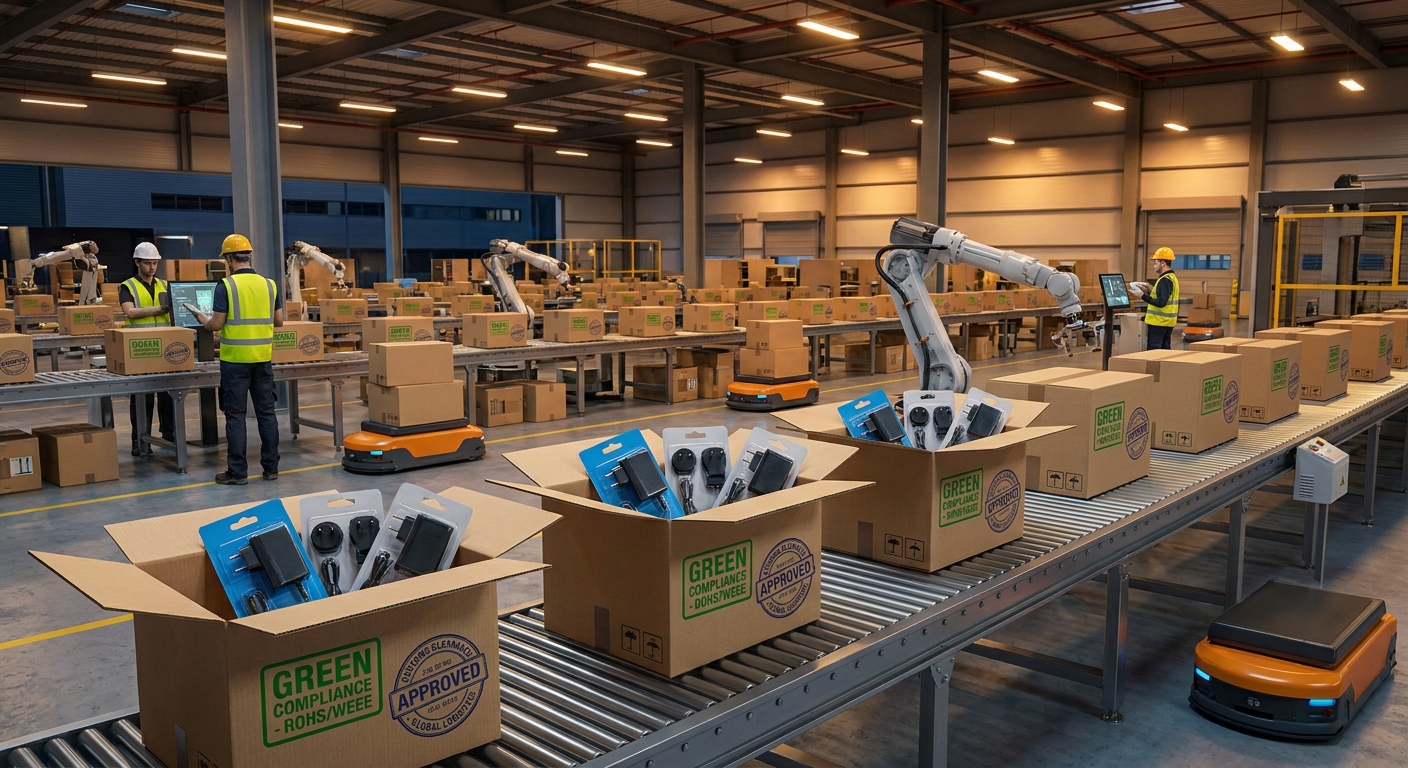
RoHS compliance is critical for your hardware because selling non-compliant electronics in key international markets is illegal and results in severe penalties. Integrating a certified RoHS compliant power supply into your system ensures seamless market entry and eliminates the risk of customs impoundments. This forms the foundation of a reliable global supply chain.
What Are the Global Customs and Legal Risks?
Importing unverified electrical hardware into regulated regions like the European Union invites severe regulatory actions. Customs officers actively screen electronic components and can confiscate whole shipments at the border. Think about it: a single non-compliant component could result in your entire inventory being destroyed at your expense.
- Instant seizure of shipments by port authorities.
- Forced national product recalls and stock destructions.
- Punitive financial fines reaching tens of thousands of dollars.
Which Markets Enforce These Green Mandates?
Green chemistry mandates are enforced by almost all major economies, making chemical compliance a baseline global standard. In addition to the European Union, countries like China, India, Japan, South Korea, and various US states have active environmental frameworks. Aligning with these rules from the start ensures your business is protected everywhere.
Key Takeaway: Procuring compliant power hardware is a vital risk-mitigation strategy that ensures your business stays compliant with international environmental laws.
| Jurisdiction | Local Regulation | Enforcing Body | Primary Penalty | |
|---|---|---|---|---|
| European Union | EU RoHS 3 | National Surveillance Agencies | Fines and mandatory product recall | |
| United States | California RoHS | DTSC | Civil penalties and product bans | |
| China | China RoHS II | MIIT | Fines and public brand-shaming |
Now that we have established the commercial necessity of global compliance, let us analyze the exact toxic substances that must be excluded from your hardware.
Which Toxins Are Restricted in These Power Supplies?
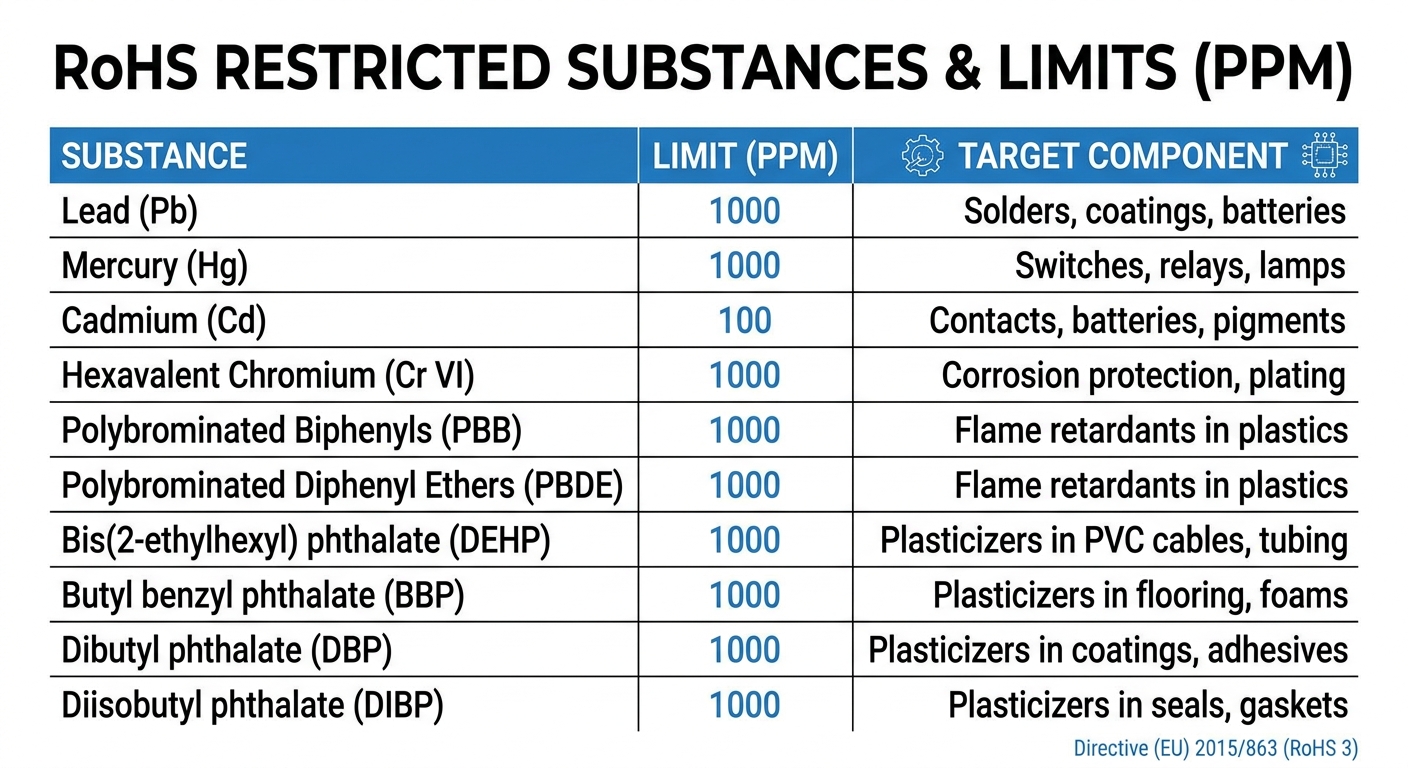
These power supplies restrict ten specific hazardous elements to parts-per-million levels to prevent environmental contamination and health risks. Sourcing a fully certified RoHS compliant power supply requires absolute precision in component chemistry to keep all restricted toxins below their legal limits.
What Heavy Metals Must Be Kept Out of Solder?
The most prominent heavy metals restricted by the directive are lead, cadmium, mercury, and hexavalent chromium. Lead was traditionally the standard binding agent in electronic solder, while cadmium was used in electrical contacts. Removing these substances is critical because they cause severe neurological and environmental damage.
- Lead (Pb): Extremely toxic to nervous systems, restricted to 1,000 ppm.
- Cadmium (Cd): Highly carcinogenic, limited to a strict 100 ppm.
- Mercury (Hg): Bioaccumulative neurotoxin, restricted to 1,000 ppm.
Why Did Phthalates Become Banned Under RoHS 3?
Phthalates were restricted because they leach out of plastics easily, posing severe endocrine disruption risks to human health. These plasticizers, including DEHP and DIBP, were widely used to make PVC cables flexible and durable. But wait, there’s more: these additives are heavily regulated because they persist in the environment and accumulate in biological systems.
Key Takeaway: Verifying that your adapter uses phthalate-free polymers is essential to avoid severe compliance infractions under current RoHS 3 guidelines.
| Restricted Toxin | Maximum Legal Limit | Typical Power Adapter Component | |
|---|---|---|---|
| Lead (Pb) | 0.1% (1,000 ppm) | Printed circuit board solder joints | |
| Cadmium (Cd) | 0.01% (100 ppm) | Internal switches and relay contacts | |
| Phthalates (DEHP/DBP) | 0.1% (1,000 ppm) | Flexible PVC power cords and strain reliefs |
With the restricted substances defined, the next logical question is how factories verify that these chemical thresholds are met.
How Do Factories Verify Power Supply Compliance?
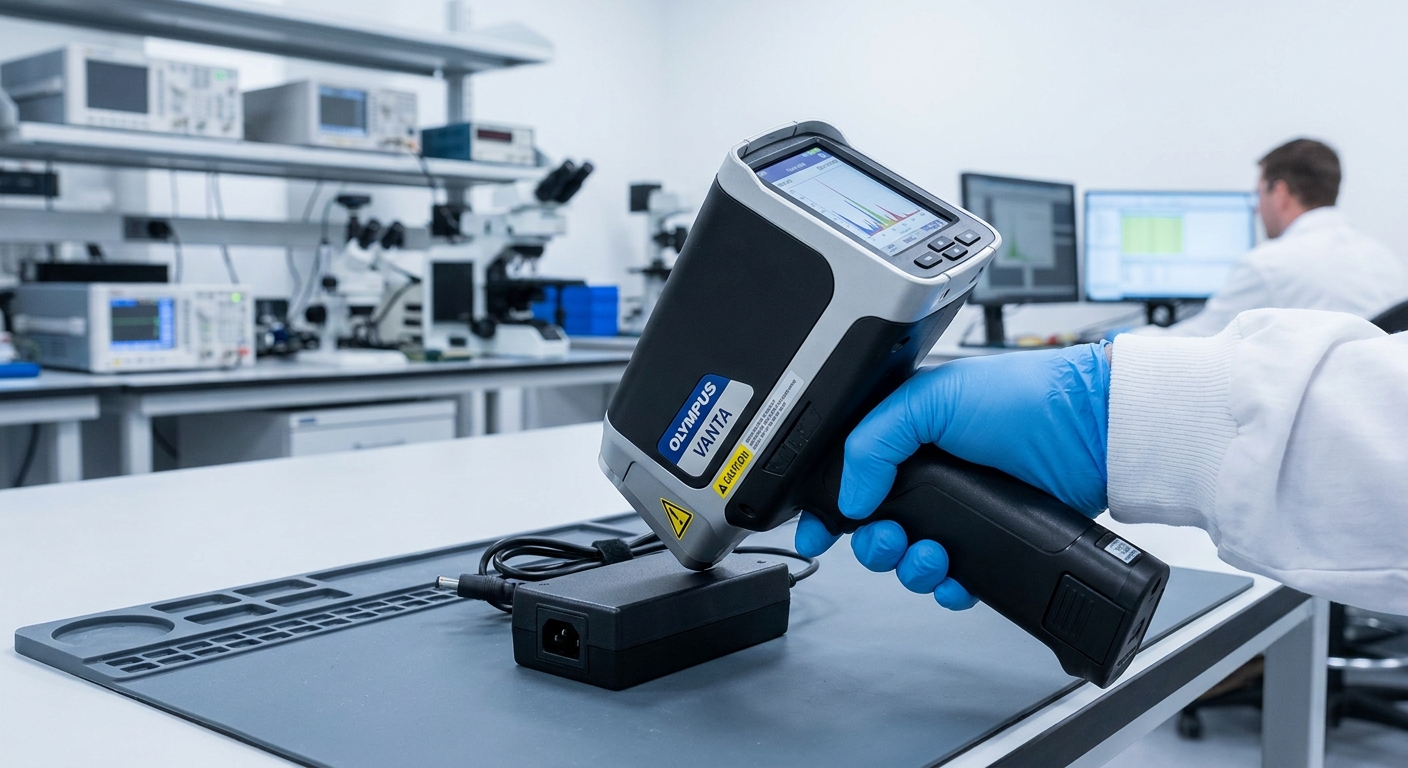
Factories verify compliance by using a combination of rapid non-destructive screening and high-precision wet chemistry testing. When you source a certified RoHS compliant power supply, the manufacturer must run continuous material audits to ensure zero chemical cross-contamination. This guarantees that every production run remains compliant.
How Does XRF Screening Streamline Quality Checks?
X-ray fluorescence spectroscopy allows quality control teams to quickly scan incoming components for restricted heavy metals without destroying the parts. It works by exciting the surface atoms of the material and analyzing the emitted secondary X-rays. Think about it: this allows a factory to verify high volumes of components instantly on the production floor.
- Non-destructive testing saves valuable component stock.
- Instant elemental analysis identifies lead and cadmium in seconds.
- Streamlines IQC workflows before assembly starts.
When Is Advanced ICP-OES Chemical Testing Needed?
Advanced Inductively Coupled Plasma Optical Emission Spectrometry testing is necessary when XRF results show borderline levels or when analyzing organic phthalates. This destructive wet chemistry method dissolves the component to measure its precise chemical composition. Working with an elite manufacturer ensures that these intensive tests are run regularly by accredited laboratories.
Key Takeaway: Multi-tiered testing programs are the only way to guarantee that no hidden hazardous materials slip into your production run.
| Testing Method | Technology Type | Best For | Destruction of Sample? | |
|---|---|---|---|---|
| XRF Screening | X-Ray Spectroscopy | Rapid surface scans for heavy metals | No | |
| ICP-OES | Plasma Wet Chemistry | Precise quantitative element analysis | Yes | |
| GC-MS | Gas Chromatography | Identifying complex organic phthalates | Yes |
Now that we understand how these safety standards are verified, let us explore which industries rely on this certified hardware.
Which Sectors Demand Certified Power Solutions?
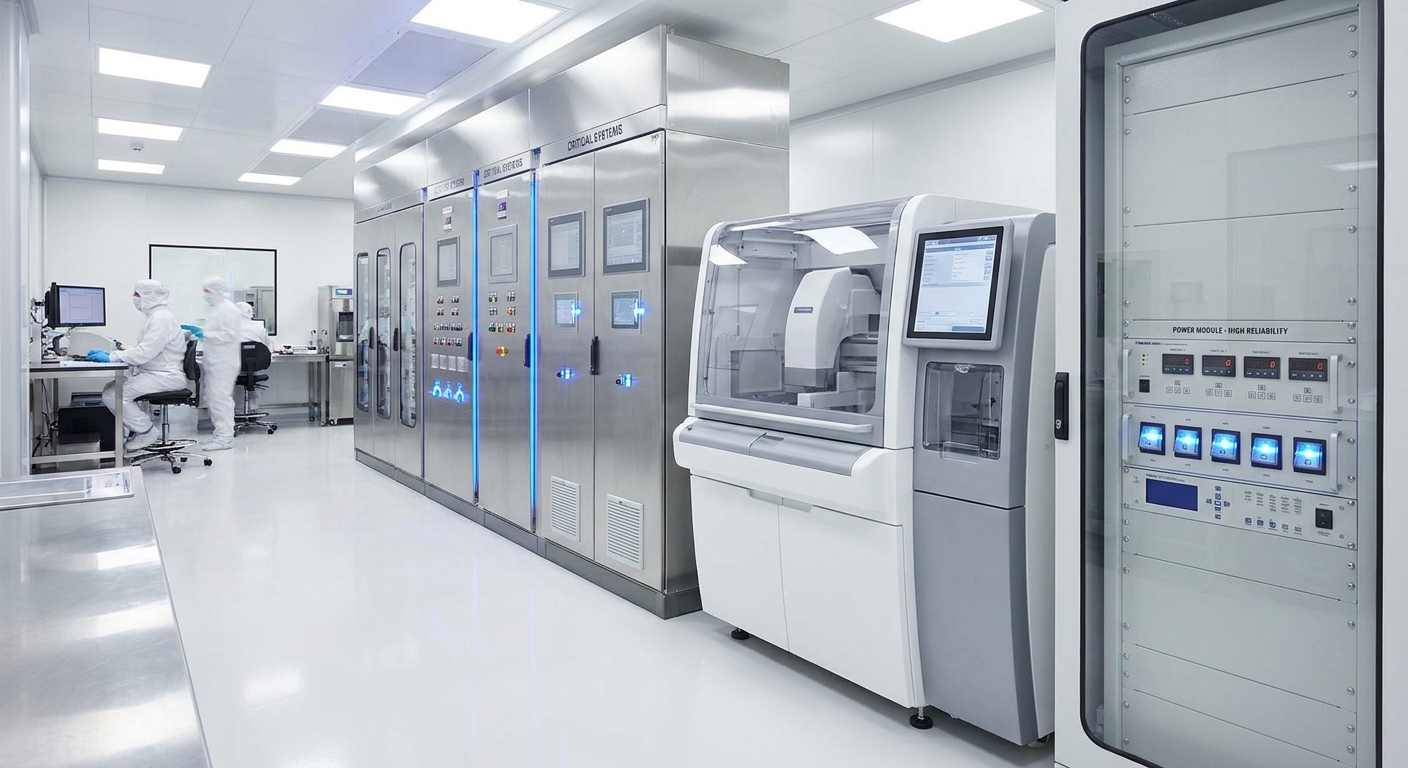
Highly regulated industries like medical care, industrial automation, and consumer electronics strictly require certified power solutions to ensure user safety and market access. Integrating a certified RoHS compliant power supply is a critical safety step for any professional hardware ecosystem.
Why Is This Mandatory for Patient-Safe Medical Gear?
Medical devices demand the highest standards of safety because they come into direct contact with vulnerable patients. Standard adapters with lead or toxic phthalates present high biochemical contamination risks that cannot be tolerated in hospitals. Here is the deal: medical power units must combine strict chemical purity with high-isolation standards like IEC 60601-1.
- Absolute chemical non-toxicity of patient-contact parts.
- Double-insulated designs (2xMOPP) to protect against shocks.
- Compliance with strict medical manufacturing standards globally.
How Does It Safeguard High-Reliability Industrial Systems?
Industrial control systems operate in harsh environments where component degradation can lead to system failures. Using certified, toxin-free power units ensures long-term thermal stability and prevents environmental stress cracking in electrical housings. This ensures high system uptime and protects operators from exposure to hazardous degradation products.
Key Takeaway: High-reliability industries rely on compliant power adapters to prevent product failures, protect human life, and ensure regulatory compliance.
| Industry Sector | Primary Focus | Key Co-Standard | Compliance Risk Level | |
|---|---|---|---|---|
| Medical Equipment | Patient safety | IEC 60601-1 | Extreme (Critical) | |
| Industrial Automation | System reliability | UL 508 / IEC 62368 | High (Operational) | |
| Consumer Devices | Market accessibility | CE / FCC / UL | High (Legal) |
Beyond protecting human health, chemical compliance also plays a vital role in safeguarding our shared global environment.
How Does Chemical Compliance Help the Environment?
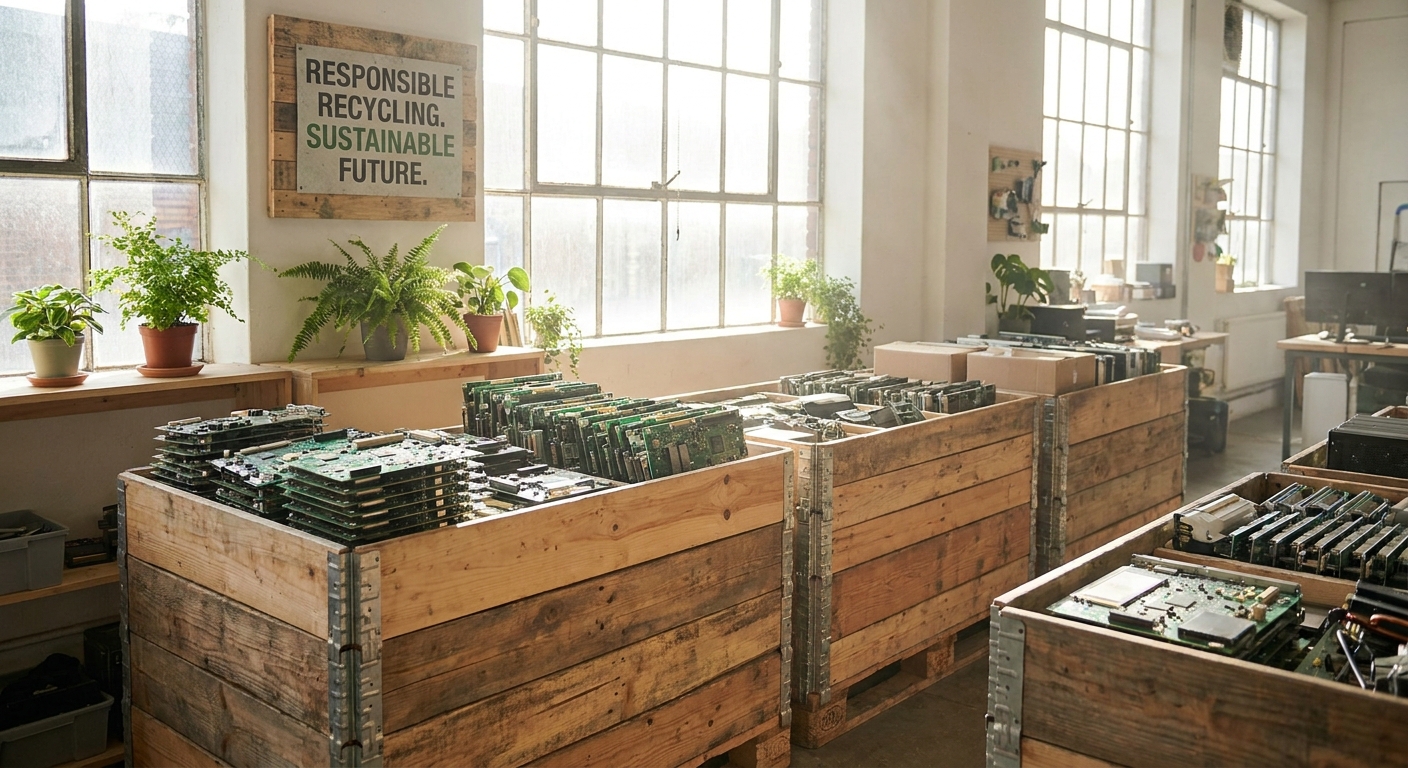
Chemical compliance helps the environment by preventing hazardous waste from entering ecosystems and making the recycling process safer. Selecting a RoHS compliant power supply helps companies reduce their environmental footprint and supports the global transition to a sustainable economy.
What Happens When Non-Compliant Electronics Enter Landfills?
When non-compliant electronics are discarded, heavy metals like lead and cadmium can leach out of unlined landfills and contaminate soil and local groundwater. These toxins bioaccumulate in food chains, causing long-term damage to wildlife and water supplies. And the best part? Restricting these chemicals at the design phase stops this ecological pollution before it even starts.
- Prevents heavy metal leaching into local drinking water.
- Reduces toxic air emissions from e-waste incineration.
- Minimizes the chemical footprint of global supply chains.
How Do Toxin-Free Designs Support Circular Economies?
Toxin-free designs make recycling safer and more profitable because reclaimers can process plastics and copper without toxic chemical exposure. Without hazardous flame retardants or phthalates, recycled plastics can be repurposed for new consumer products. Sourcing clean materials is a key step toward achieving a sustainable, waste-free circular economy.
Key Takeaway: Specifying eco-friendly power adapters is a powerful way for your company to support global green initiatives and build a sustainable brand.
| Discarded Substance | Soil Leaching Risk | Air Pollution Risk | Recyclability | |
|---|---|---|---|---|
| Lead (Solder) | High risk of groundwater poison | Extreme if burned | Complex & dangerous | |
| Phthalates (PVC) | Slow release of microplastics | Releases toxic fumes | Highly restricted | |
| Halogens (Plastics) | Low soil impact | Acid gas emissions | Unrecyclable in main streams |
To verify that your selected power adapter possesses these eco-friendly qualities, you must learn to read its compliance labels.
What Labels and Marks Confirm Active Compliance?
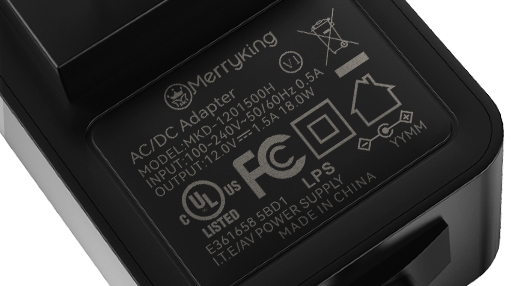
Labels and marks printed on power adapters confirm active compliance by showing that the product has passed all environmental and safety audits. Looking for these symbols on your RoHS compliant power supply helps you verify that the hardware is legal to import and distribute.
How Does the RoHS Directive Intersect With CE and UL?
The RoHS directive intersects directly with the European CE mark, which now mandates chemical safety compliance as a prerequisite for certification. You cannot legally print the CE mark on an electronic product if it contains restricted toxins. Think about it: a CE mark serves as a public declaration that the entire device meets both mechanical and chemical safety standards.
- CE Mark: Mandatory for European market access, includes RoHS compliance.
- UL Listing: Ensures structural, electrical, and fire safety in North America.
- RoHS Logo: Often printed on labels to show compliance with green standards.
What is the Difference Between RoHS and REACH?
While RoHS restricts 10 specific toxic substances in electronic equipment, REACH regulates all chemical materials imported into the European market. REACH targets Substances of Very High Concern (SVHC) across all consumer goods, including textiles, toys, and industrial hardware. Partnering with a manufacturer that satisfies both frameworks ensures your product catalog is completely safe.
Key Takeaway: Checking that your power adapters carry both CE and RoHS markings is the easiest way to prevent customs clearance issues.
| Certification Mark | Scope of Regulation | Regulatory Territory | Compliance Status | |
|---|---|---|---|---|
| CE Mark | Safety & Chemistry | European Union | Mandatory | |
| UL Mark | Fire & Electrical Safety | North America | Highly Recommended | |
| REACH | Broad Chemical Content | European Union | Mandatory |
With compliance markings verified, we must examine the design changes required to build these green power systems.
What Are the Engineering Challenges of Lead-Free Design?
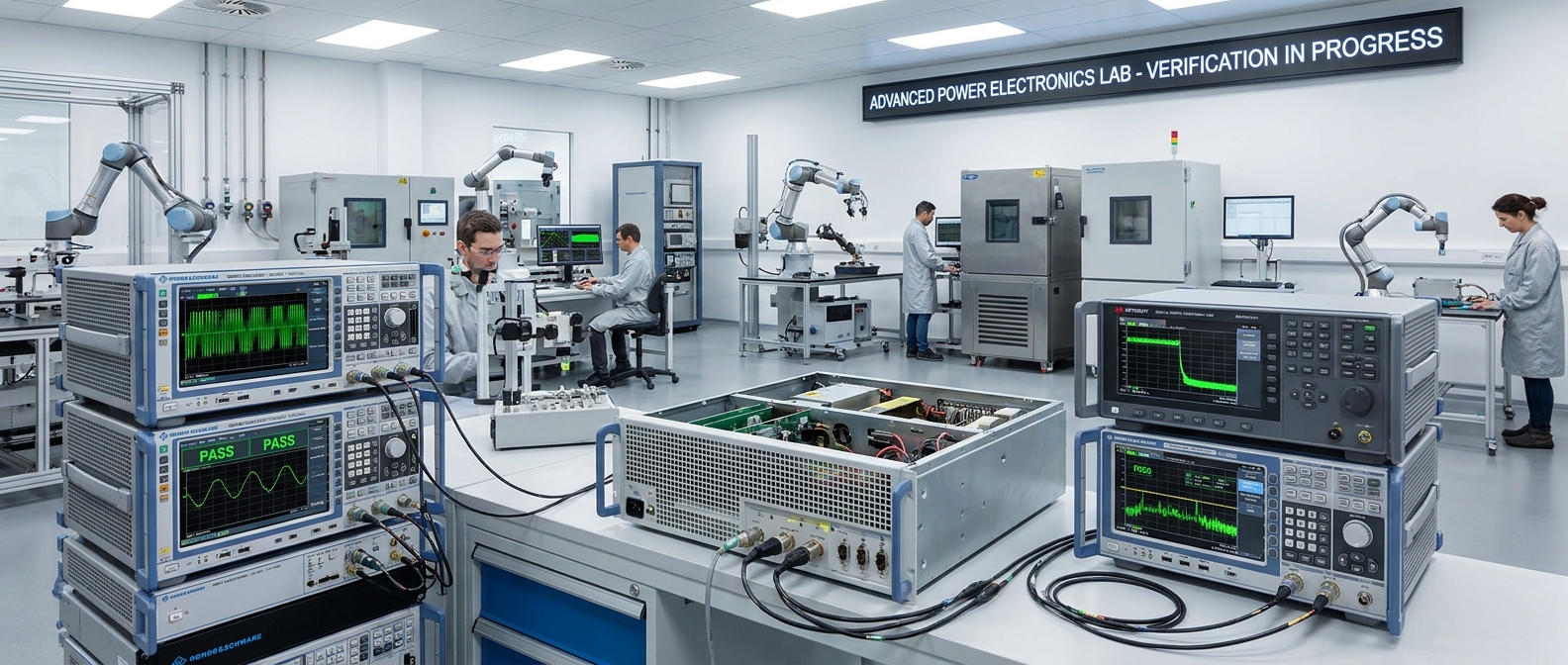
Lead-free design presents significant engineering challenges because alternative solders require much higher processing temperatures and behave differently. Designing a reliable RoHS compliant power supply requires precise thermal management and careful component selection to prevent premature field failures.
What Solder Alternatives Are Used in Production?
The electronics industry has transitioned to lead-free alternatives like SAC305, an alloy of tin, silver, and copper. This material provides strong mechanical joint strength but melts at a much higher temperature than traditional lead-tin alloys. Here is the deal: this higher melting point increases thermal stress on electronic components during assembly.
- SAC305 Solder: Melts at 217°C, requiring higher oven settings.
- Sn-Cu Solder: A cost-effective alternative with a melting point of 227°C.
- Lead-Free Fluxes: Specially formulated to clean oxides at high temperatures.
How Do Thermal Profiles Affect Component Selection?
The high assembly temperatures required for lead-free soldering demand components that can withstand severe thermal profiles. Materials used in capacitors, transformers, and PCB substrates must be rated for peak reflow temperatures of 260°C. Sourcing from a skilled OEM ensures that your power adapter uses heat-resistant materials that will not degrade during soldering.
Key Takeaway: Partnering with an experienced manufacturer ensures that the thermal stress of lead-free assembly is managed safely, protecting product lifespan.
| Solder Alloy Type | Melting Temperature | Mechanical Strength | Primary Manufacturing Challenge | |
|---|---|---|---|---|
| Lead-Tin (63/37) | 183°C | Moderate | Banned due to lead toxicity | |
| SAC305 Alloy | 217°C – 220°C | High | High thermal stress on components | |
| Tin-Copper (99/1) | 227°C | Moderate | Risk of tin whisker formation |
Failing to manage these high-temperature assembly processes correctly can result in severe manufacturing risks and hardware failures.
What Risks Arise From Sourcing Unverified Adapters?
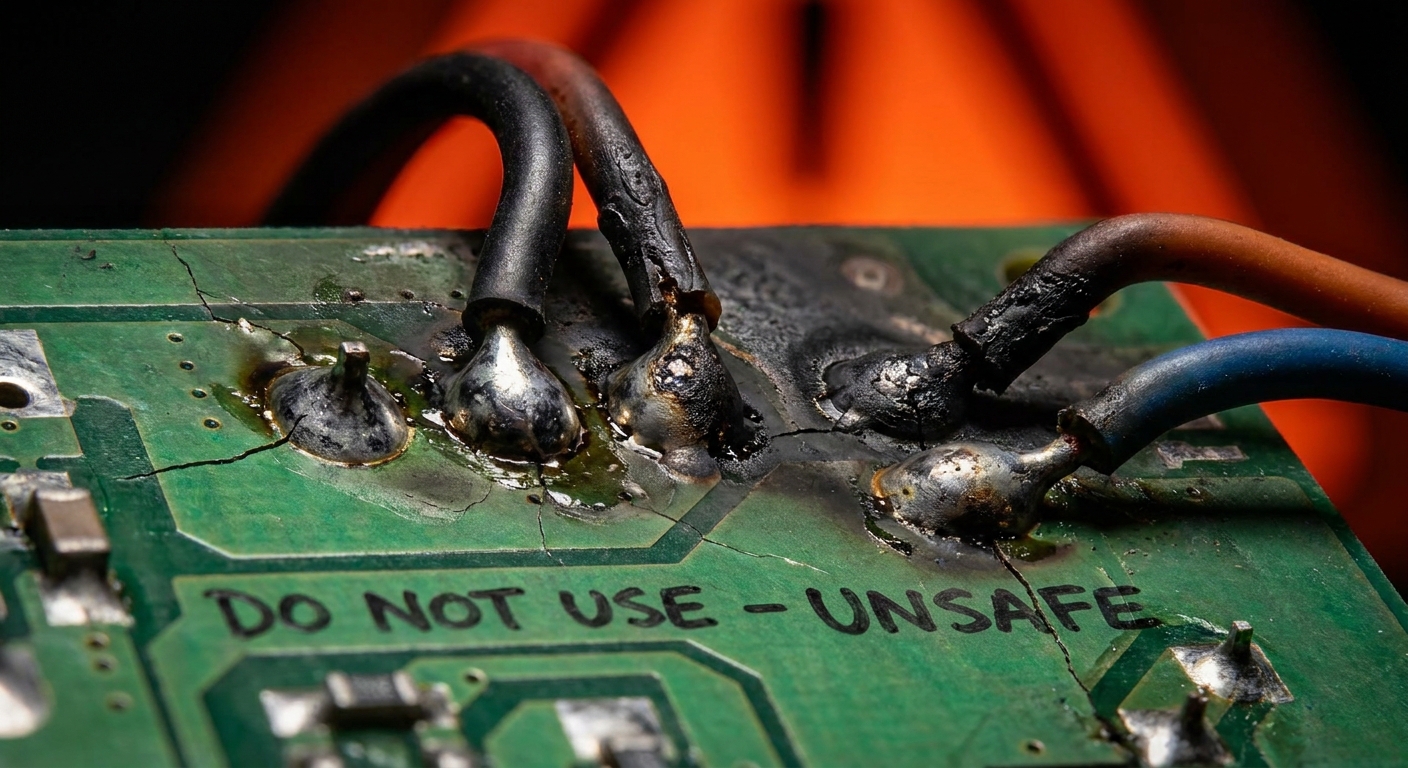
Sourcing unverified adapters raises your risk of product failures, costly recall campaigns, and permanent brand damage. Integrating a certified, high-quality RoHS compliant power supply into your product protects your brand and secures your target markets.
Can Lead-Free Solder Joint Failures Cause Device Recalls?
Improperly managed lead-free assembly can lead to microscopic cracks, cold joints, and tin whiskers that trigger short circuits. If a power supply fails in the field, it can destroy your main device or even cause electrical fires. But wait, there’s more: a single bad solder joint can force your company into a full-scale safety recall that ruins your reputation.
- Microscopic solder cracks leading to intermittent power losses.
- Tin whisker growths causing catastrophic electrical short circuits.
- Lower product reliability leading to high warranty claim rates.
What Are the Long-Term Brand and Financial Costs?
The financial impact of a compliance or component failure reaches far beyond simple replacement costs. Your company may face contract penalties, loss of key B2B relationships, and expensive legal challenges. Investing in verified, compliant power solutions upfront is the most cost-effective way to secure your product line.
Key Takeaway: Buying cheap, unverified power solutions is a high-risk gamble that can result in catastrophic financial and brand losses.
| Sourcing Failure Mode | Immediate Cost | Long-Term Operational Impact | Solution Strategy | |
|---|---|---|---|---|
| Solder Joint Cracks | Sourcing new adapters | High warranty support costs | Precise thermal profiles | |
| Tin Whiskers | Device replacement | High product failure rates | Nickel-barrier plating | |
| Customs Confiscation | Total loss of cargo | Disrupted product supply lines | Verified lab test reports |
To avoid these business-threatening hazards, you must know how to select and audit an elite power supply manufacturer.
How to Select a Compliant Direct-Source OEM Partner?
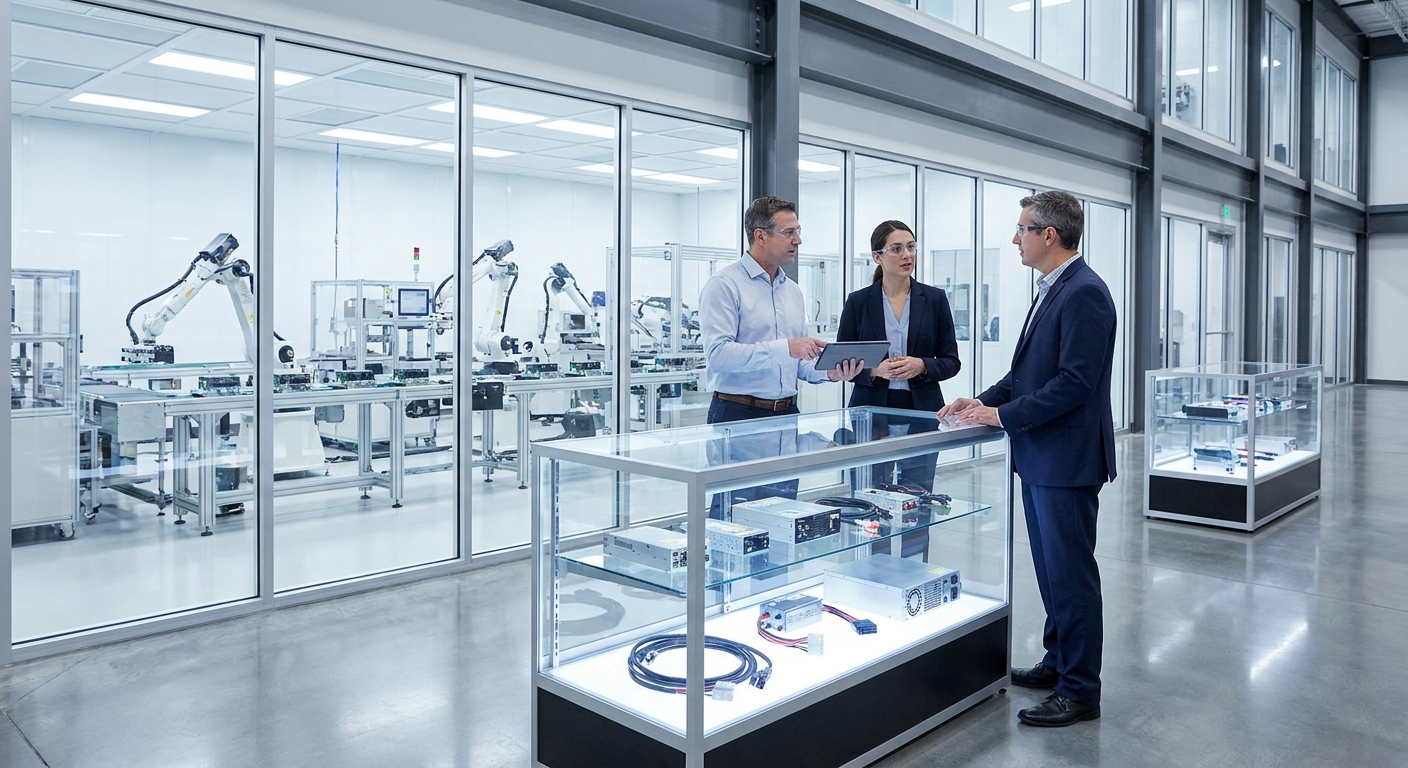
You can select a compliant partner by verifying their quality management systems, looking at their engineering experience, and requesting recent testing documentation. Sourcing your RoHS compliant power supply directly from an experienced direct-source manufacturer ensures factory-direct pricing, complete compliance, and stable high-volume production.
What Technical Files Must You Request From a Supplier?
An elite manufacturer must proactively supply a complete technical file to prove that their products are fully compliant. This file must contain a formal Declaration of Conformity and detailed material analysis reports. Think about it: a reliable partner will readily share this data, proving that their supply chain is clean and verified.
- Declaration of Conformity (DoC): A formal legal statement of compliance.
- SGS/TUV Test Reports: Third-party lab analyses of materials.
- Material Data Sheets (MDS): Complete chemical bills of materials.
How Do You Audit the Manufacturing Facility Controls?
When auditing a potential manufacturing partner, look for active quality systems like ISO 9001 and ISO 14001. Check that they maintain separate production lines for lead-free assembly to prevent lead contamination. Ensuring that your supplier uses automated testing and strict material audits is the best way to secure a safe and reliable power supply.
Key Takeaway: Choosing a direct-source OEM with proven testing systems ensures your product stays compliant and performs reliably in global markets.
| Evaluation Metric | Elite Factory Standard | Sourcing Red Flag | Risk Level | |
|---|---|---|---|---|
| Testing Reports | Annual third-party lab reviews | No third-party laboratory audits | Extreme | |
| Production Lines | 100% lead-free factories | Mixed leaded/lead-free assembly | High | |
| Quality System | ISO 9001 and ISO 14001 certified | No certified quality system | Moderate |
Now, let us wrap up and examine how you can take action to secure your global supply chain today.
Secure Your Global Market Access with Certified Power Solutions
Navigating the complex landscape of global environmental regulations can be a daunting challenge for hardware companies. Sourcing an uncertified power adapter is a high-risk gamble that can result in customs seizures, heavy fines, and severe brand damage. Throughout this guide, we have explored how chemical compliance protects the environment, ensures user safety, and opens doors to international markets.
As a direct-source OEM/ODM power adapter manufacturer with over 20 years of experience, Merryking Power is committed to delivering fully compliant, highly reliable, and factory-direct power solutions. Our dual production bases utilize state-of-the-art lead-free SMT lines and rigorous testing protocols to ensure every adapter meets active global standards. Ready to safeguard your supply chain and secure global market access? We invite you to contact us today to request certified samples and receive a comprehensive B2B quote within 24 hours.
Our vision is to empower global hardware innovation with clean, efficient, and uncompromised power solutions that protect both consumers and our shared planet.
Frequently Asked Questions (FAQ)
Can I use a non-RoHS power supply for heavy industrial equipment?
No, because modern industrial environmental laws have steadily eliminated old exemptions for heavy machinery. Using a non-compliant power adapter in modern industrial installations creates major legal liabilities and increases your risk of import bans.
What’s the best way to verify if an imported power adapter is truly compliant?
Yes, you can reliably verify compliance by requesting a formal Declaration of Conformity and an up-to-date third-party laboratory test report (such as SGS or TUV) showing the exact product part number. Conducting random spot-checks with a handheld XRF spectrometer at your warehouse is also an excellent quality control practice.
How do I know if a RoHS certificate is fake or expired?
No, a certificate is not reliable if it lacks a verifiable document number or is more than one year old. You can confirm validity by cross-referencing the certificate number on the issuing laboratory’s official online database and checking for matching part numbers.
Can I customize the cable length and enclosure of a compliant adapter?
Yes, experienced OEM/ODM manufacturers can customize these physical dimensions while keeping the entire assembly fully compliant. You must simply confirm that any custom-formulated plastics or connectors use verified phthalate-free and halogen-free materials.