The OEM power adapter customization process is a structured engineering and manufacturing journey that transforms raw product schematics into highly-efficient, certified, and branded power supplies tailored to your device’s exact mechanical and electrical requirements. When you rely on cheap, off-the-shelf power bricks, you risk system performance instability, safety failures, and product launch delays. Your premium hardware deserves a power supply that matches its design quality, but navigating custom layouts, global safety marks, and factory workflows can feel overwhelming. That is why choosing a professional, OEM power adapter customization partner makes all the difference, giving you access to dedicated engineering expertise, rapid prototyping, and end-to-end quality control to bring your vision to life.
What Is OEM Power Adapter Customization?
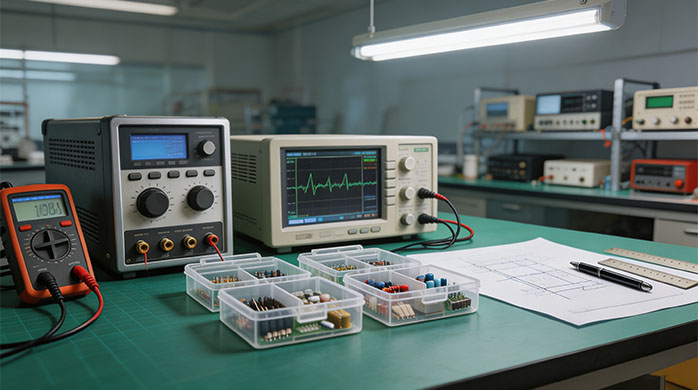
OEM power adapter customization is the complete engineering process of designing, tailoring, and manufacturing a power supply from the ground up to match the electrical, mechanical, and safety requirements of a specific electronic device. This process ensures that your hardware receives highly-stable voltage and current outputs, while also matching the physical enclosure design of your product. By relying on professional OEM power adapter customization , you avoid the common pitfalls of generic power bricks that fail to align with your aesthetic or technical goals. The final result is a seamless power accessory designed exclusively for your brand’s unique hardware ecosystem.
Unlike standard adapters, this approach allows you to dictate every physical and electrical detail. This includes everything from the internal circuit board layout to the outer plastic housing materials. This level of customization ensures maximum performance efficiency and superior safety compliance. It is the gold standard for premium electronics brands looking to deliver a flawless user experience.
What is the difference between OEM and ODM power supplies?
When sourcing power solutions, you will often choose between original equipment and original design manufacturing. Here is the deal: choosing the right model from an OEM ODM power adapter factory determines your upfront tooling costs and development timelines. While ODM solutions modify existing baselines, OEM solutions build a fully customized design from your proprietary files.
This means you gain complete control over internal component selections and physical casing dimensions. Consider these core differences when starting your next procurement cycle:
- OEM solutions require custom PCB layouts and custom-molded plastic enclosures.
- ODM modifications typically only change output cords, labels, or outer cosmetic colors.
- OEM projects require longer engineering lead times but offer ultimate design exclusivity.
Which hardware components can you customize?
Think about it: every single sub-assembly of a power supply can be re-engineered to meet your performance standards. You can specify everything from high-temperature Japanese capacitors to customized high-frequency transformers. This ensures that your system performs reliably even under heavy thermal stress.
But that’s not all. You can also customize structural elements to elevate your product’s usability and aesthetic:
- Enclosure form factors, including desktop, wall-mount, or interchangeable plugs.
- Flame-retardant casing plastics such as UL 94V-0 rated polycarbonate.
- Internal EMI shielding plates to protect sensitive communication circuits.
Key Takeaway: Understanding the core building blocks of custom power supplies allows you to communicate effectively with engineering teams, ensuring you select the right balance of customization and cost.
| Customization Level | Mold Tooling Cost | Lead Time | Best Use Case | |
|---|---|---|---|---|
| OEM (Full Custom) | High (New molds) | 8–12 Weeks | Proprietary high-end hardware with unique form factors | |
| ODM (Modified) | Low to Medium | 4–6 Weeks | Standard devices requiring small functional tweaks | |
| Private Label | Zero Tooling | 2–3 Weeks | Quick-to-market products with logo printing only |
Analytical Guideline: This structural comparison shows how your choice between OEM and ODM paths directly shapes your project’s development timeline and initial budget allocation.
Why Do Brands Need OEM Power Adapter Customization?
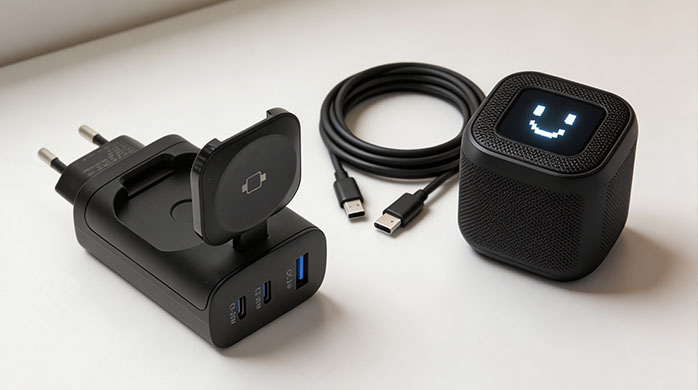
Brands need OEM power adapter customization to differentiate their products in crowded markets, protect critical internal hardware, and ensure compliance with regional safety standards. Shipping a high-end device with a generic, unbranded power supply degrades the perceived value of your product line. Through calculated OEM power adapter customization, you can design a power supply that reflects your brand’s commitment to quality. This attention to detail builds customer trust and reduces product returns.
Additionally, customized power units solve critical electrical and mechanical challenges that generic models cannot handle. This includes isolating electromagnetic interference and accommodating unusual voltage configurations. Investing in a tailored power solution safeguards both your device’s lifecycle and your brand’s reputation. It is a vital step for any professional hardware development campaign.
How does a custom adapter build brand identity?
Power accessories are highly visible, physical touchpoints that your customers interact with every single day. Here is the key: an outstanding user experience relies on cohesive industrial design across all inbox accessories. By customizing plastic colors, textures, and laser markings, you create a premium product bundle.
Utilizing a private label power adapter ensures your corporate identity remains front and center. It prevents your product from looking like a cheap, white-label assembly:
- Laser-etched brand logos on the primary housing.
- Color-matched braided nylon cords for high durability and premium feel.
- Unique, branded silicone cable organizers to avoid wire clutter.
How do custom designs solve engineering problems?
Standard power adapters are built for broad, low-demand applications and often fail when subjected to specific technical requirements. Think about it: a medical cart or a high-performance network router needs custom filters to prevent noise from disrupting sensitive signals. A custom power adapter allows your team to design specialized circuitry that resolves these issues.
You can adjust internal component layouts to fit within restricted mechanical enclosures. This optimizes airflow and thermal performance across your entire system:
- Integrated copper shielding to minimize electromagnetic emissions.
- Extra-thick PCB traces to handle heavy inrush current spikes.
- High-efficiency thermal pads to dissipate heat without noisy cooling fans.
Key Takeaway: Designing a bespoke power supply ensures that your product is completely optimized for physical aesthetics, stable electricity delivery, and long-term operating reliability.
| Customization Factor | Standard Off-the-Shelf Adapter | Custom OEM Power Adapter | Business & Engineering Impact | |
|---|---|---|---|---|
| Brand Differentiation | Low (Generic black/white brick) | High (Custom shapes, logos, packaging) | Elevates perceived value and product consistency | |
| Regulatory Compliance | Pre-certified, but inflexible | Tailored to target application/country | Avoids compliance failures during custom system builds | |
| Mechanical Integration | Fixed cord lengths and connectors | Custom plug options and cord lengths | Prevents connection wear and optimizes field reliability | |
| Electrical Optimization | Standard outputs (e.g., 5V, 12V, 24V) | Precision voltage curves, dynamic currents | Maximizes device efficiency and component lifespan |
Analytical Guideline: This comparison table shows that while off-the-shelf units offer fast, cheap procurement, custom solutions are critical for projects with strict brand guidelines and advanced technical requirements.
How Does the OEM Power Adapter Customization Process Start?
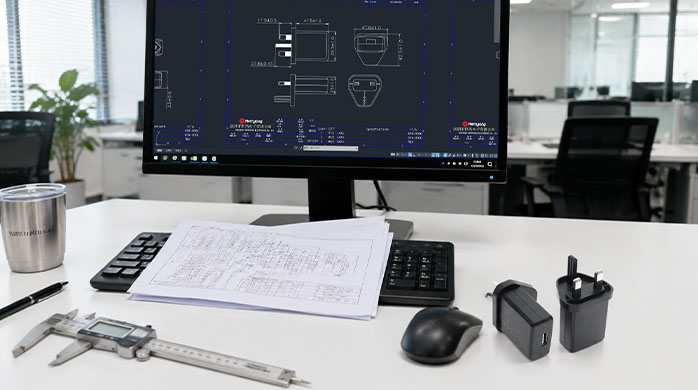
The OEM power adapter customization process starts with a comprehensive exchange of technical specifications, mechanical drawings, and regulatory requirements between your engineering team and the factory. Providing detailed documentation upfront prevents design misalignments and costly development delays down the line. By establishing clear parameters at kickoff, your OEM power adapter customization project benefits from accurate cost assessments and reliable production timelines. This early alignment sets the foundation for a successful partnership.
Once your engineering files are reviewed, the factory will conduct a thorough feasibility assessment to confirm production viability. This initial phase helps lock in unit pricing, mold tooling costs, and key engineering milestones. Taking a structured approach at the start of your project ensures that your final power adapter meets all technical and budget goals. It is the most reliable way to kick off a high-quality manufacturing project.
What documents must you prepare for kickoff?
Launching a hardware project requires a clean, structured exchange of engineering documentation to prevent design errors. Here is the key: having a complete Product Requirement Document (PRD) ready allows the factory to complete feasibility reviews in days rather than weeks.
Your design team should compile all electrical, physical, and environmental parameters into a single reference package. This ensures that every department is aligned from day one:
- Electrical requirement sheets showing voltage, current, and ripple tolerances.
- Mechanical CAD models (such as STEP or IGES files) of your device housing.
- A comprehensive list of required regional safety certifications.
How does the factory review your requirements?
Once you submit your documentation, R&D engineers at the OEM ODM power adapter factory will review your parameters to ensure they are manufacturable. Think about it: finding out that a component is unavailable or too expensive after building prototypes can set your project back by months.
The factory will check component lead times and suggest adjustments to optimize production costs. This collaborative process ensures your design is ready for high-yield manufacturing:
- Feasibility checks of target operating temperatures and safety margins.
- Component sourcing reviews to secure stable, long-term supply chains.
- Formal NRE (Non-Recurring Engineering) and mold tooling cost estimates.
Key Takeaway: Preparing a complete technical package for your manufacturing partner speeds up engineering reviews, eliminates communication gaps, and establishes a clear project timeline.
| Kickoff Step | Input Required from Buyer | Output Provided by Factory | Target Timeline | |
|---|---|---|---|---|
| 1. Spec Intake | Complete PRD & CAD drawings | Initial feasibility report | 3–5 Business Days | |
| 2. Design Review | Approved electrical parameters | Preliminary schematics & quote | 5–7 Business Days | |
| 3. Agreement | Signed contract & NRE payment | Tooling kickoff & R&D schedule | 2–4 Business Days |
Analytical Guideline: This project-kickoff roadmap details the exact phases of engineering preparation required before cutting tooling steel, minimizing the risk of expensive errors.
What Specifications Are Required for OEM Power Adapter Customization?
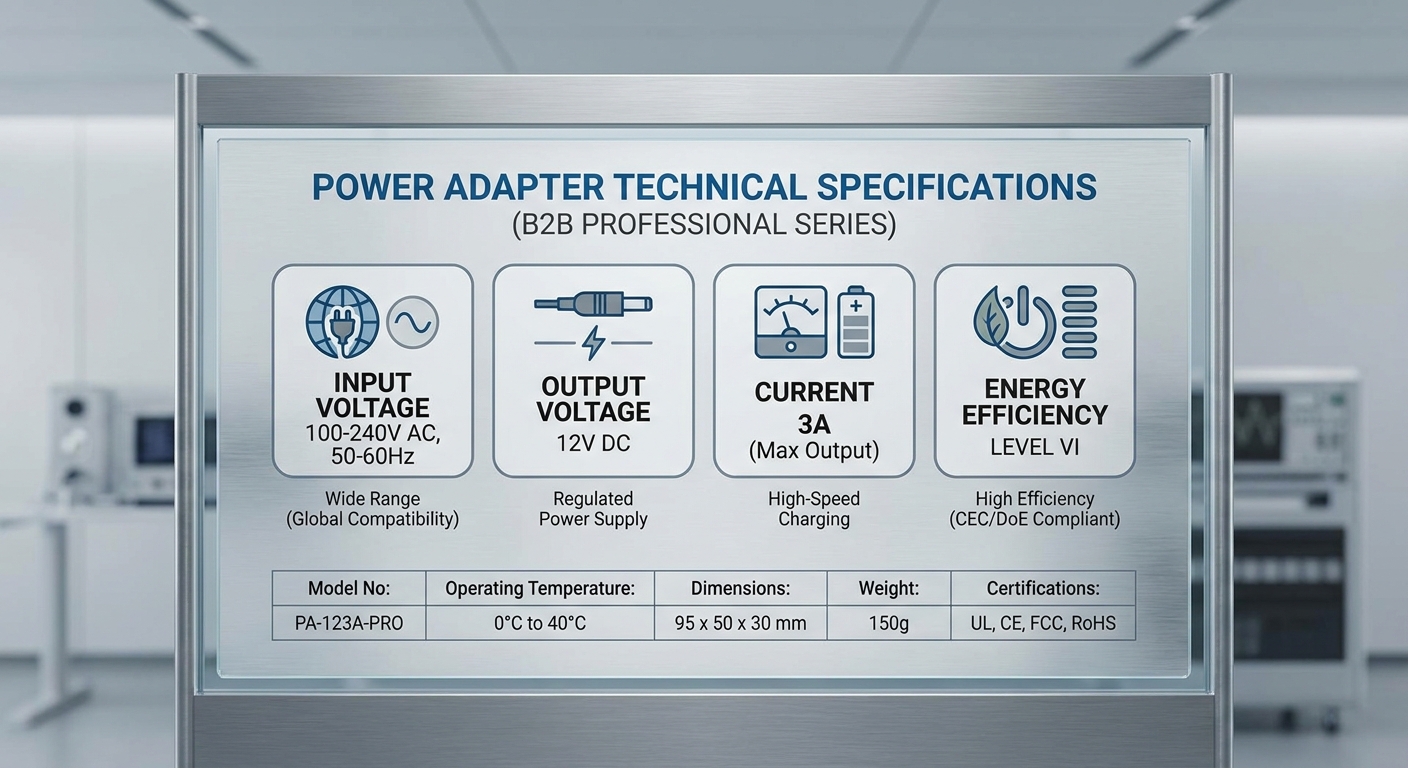
The specifications required for OEM power adapter customization include detailed input voltage ranges, precise output power curves, specific connector styles, and required regional safety certifications. Leaving any of these parameters undefined can lead to performance issues or unexpected compliance delays. A thorough power adapter customization process requires you to detail every electrical and physical requirement of your system. This detailed approach ensures that your custom power supply operates reliably in all target markets.
You must also specify how the adapter will perform under different operating temperatures, humidity levels, and input power qualities. Defining these environmental tolerances protects your device from thermal runaway and electrical damage. A complete specification sheet serves as the primary engineering reference throughout development. It is the most important document for ensuring consistent manufacturing quality.
What are the core electrical parameters?
To design a robust internal PCB layout, engineers must understand the electrical limits of your system. Here is the deal: ignoring power grid variances or voltage ripples can cause downstream microchips to malfunction or fail prematurely.
Your specifications must detail both standard operating ranges and maximum safety thresholds to ensure reliable performance:
- Input Voltage Range: Universal AC 90–264V to support international deployment.
- Output Ripple and Noise: Maximum peak-to-peak millivolts (e.g., <100mV p-p) to protect sensitive digital circuits.
- Energy Efficiency: Compliance with modern standards like DoE Level VI or CoC Tier 2.
Which mechanical parameters must you define?
The physical characteristics of the adapter housing must match your product’s design language and field requirements. Think about it: a wall charger that is too wide will block adjacent power outlets, frustrating your end users.
You must carefully specify housing dimensions, mounting configurations, and cord requirements. This ensures a seamless fit in the user’s home or office environment:
- Housing style, choosing between wall-mount, desktop, or interchangeable plug designs.
-
custom cable length power adaptersetups to ensure clean routing at the installation site.
- Flame-retardant housing materials, such as UL 94V-0 rated plastic compounds.
Key Takeaway: Documenting every electrical and mechanical parameter upfront prevents design revisions and ensures your power supply meets all performance and safety standards.
| Parameter Class | Vital Specification | Recommended Standard | Engineering Goal | |
|---|---|---|---|---|
| Electrical Input | AC 90–264V (47–63Hz) | Universal Compatibility | Seamless global operation without manual switches | |
| Electrical Output | Ripple Noise <100mV | Low-Noise Filtering | Protects sensitive microprocessors from interference | |
| Physical Shell | UL 94V-0 Polycarbonate | High Flame Retardation | Prevents fire hazards under extreme load conditions | |
| Output Cord | 18 AWG copper wire | Low-Resistance Design | Minimizes voltage drops across extended cable runs |
Analytical Guideline: Use this parameters table as a template to define your technical requirements before starting custom tooling.
How Are Voltage and Current Confirmed in OEM Power Adapter Customization?
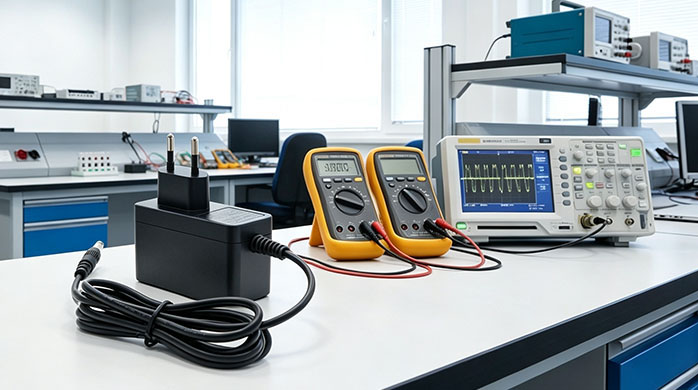
Voltage and current are confirmed in OEM power adapter customization by calculating your device’s maximum continuous load, measuring peak startup currents, and validating these profiles with electronic loads and oscilloscopes. Underestimating these power requirements can lead to system resets, extreme heat buildup, and premature component failure. This critical step in OEM power adapter customization ensures that your power supply remains stable and highly efficient under all operating conditions. It is the foundation of electrical safety.
Engineers must also calculate the natural voltage drop that occurs along the length of the output cable. Increasing the output voltage slightly at the board level compensates for this loss, ensuring your device receives steady power. Verifying these electrical specs under a wide range of input voltages protects your system against grid fluctuations. It is a vital phase of custom hardware design.
How do you measure your device’s peak current draw?
Many devices experience brief, high-current spikes when starting up, activating wireless transmitters, or running motors. Here is the key: if your power adapter is only designed for continuous loads, these sudden spikes can trigger over-current protection, causing your system to crash.
Analyzing these transient load profiles with high-speed digital oscilloscopes allows engineers to select the right components. This ensures your power supply handles peak demands without shutting down:
- Measuring motor and transmitter startup current spikes.
- Analyzing voltage stability during sudden, heavy processing loads.
- Setting over-current protection thresholds safely above peak demand.
Why is the 80% safety headroom rule critical?
Operating any electronic component at its absolute maximum thermal and electrical limits for long periods will significantly shorten its lifespan. Think about it: a car engine running near its redline all day will eventually fail, and the same principle applies to power supplies.
Designing your Custom AC DC power adapter to run at a continuous load of 80% or less of its maximum capacity ensures cooler operation and a longer service life:
- Reducing thermal stress on internal caps and transformers.
- Providing safe headroom to accommodate unexpected power grid surges.
- Improving energy efficiency by operating in the adapter’s peak efficiency band.
Key Takeaway: Verifying continuous and peak power draws, while maintaining a 20% safety margin, protects your device from thermal failures and ensures stable, long-term performance.
| Power Profile | Target Range | Safety Margin | Recommended Sourcing Action | |
|---|---|---|---|---|
| Continuous Load | 15W continuous draw | Add 20% Headroom | Source an adapter rated for at least 18W to 20W | |
| Peak Load (Spikes) | 35W for <10ms | Short-Duration Buffer | Ensure adapter can handle brief transient surges | |
| Standby Load | <0.1W idle power | Level VI Compliance | Use low-power controller ICs to minimize idle draw |
Analytical Guideline: This power profile analysis shows how incorporating proper electrical safety margins into your power specifications prevents field failures and extends product lifespans.
What Connector Options Are Available in OEM Power Adapter Customization?
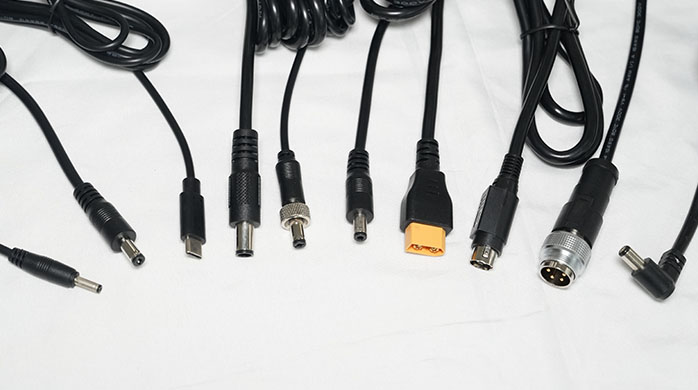
The connector options available in OEM power adapter customization include standard DC barrel plugs, modern USB-C interfaces, secure locking connectors, and proprietary multi-pin terminations. Using the wrong connector can lead to loose physical connections, power interruptions, and accelerated port wear in the field. Carefully planning your OEM power adapter customization ensures that your device maintains a secure and durable electrical connection throughout its lifespan. It is a critical aspect of physical product design.
You must also select the right wire gauge, insulation materials, and strain-relief shapes to prevent the cable from fraying over time. Well-designed cables reduce electrical resistance and keep power flowing efficiently to your device. Choosing the right connector and cable combination enhances both the durability and usability of your product. It is an essential step for delivering a high-quality user experience.
Should you choose DC barrel, USB-C, or locking plugs?
The connection style you choose should balance cost, convenience, and the operating environment of your product. Here is the deal: while standard DC barrel plugs are cost-effective, they lack the secure physical engagement needed for high-vibration applications.
Choosing a specialized custom plug power adapter ensures your device remains powered under challenging conditions:
- Standard DC Barrels: Affordable and widely compatible for stationary home devices.
- USB Type-C: Supports smart communication protocols and fast charging up to 240W.
- Locking Plugs: Threaded collar designs that prevent accidental disconnects in industrial settings.
How do wire gauge and cable length affect voltage drop?
Every cable has natural electrical resistance, which causes voltage to drop as current travels from the wall outlet to your device. Think about it: if your cord is too thin or too long, your device may receive less voltage than it needs, causing system instability.
Specifying thick copper conductors and high-quality insulation materials minimizes this voltage drop and keeps your system running smoothly:
- Thicker wires (e.g., 18 AWG) reduce resistance on long cable runs.
- Flexible outer jacket materials, like silicone or braided nylon, prevent tangling.
- Reinforced overmolded strain reliefs protect connection joints from repeated bending.
Key Takeaway: Selecting the right connector, cable gauge, and strain relief prevents connection wear and power delivery issues, ensuring reliable operation in any environment.
| Connector Family | Mechanical Benefit | Best AWG Range | Target Market | |
|---|---|---|---|---|
| Standard DC Barrel | Low cost; easy physical plug-in | 24 AWG to 20 AWG | Smart home devices, routers | |
| Threaded Locking | High vibration proof; secure lock | 20 AWG to 16 AWG | Industrial equipment, robotics | |
| USB-C (Power Delivery) | Fast charging; smart communication | 22 AWG to 18 AWG | Laptops, high-performance tablets |
Analytical Guideline: This comparison shows how matching your connector choice and wire gauge to your application ensures long-term physical reliability and stable power delivery.
Which Certifications Should Be Planned During OEM Power Adapter Customization?
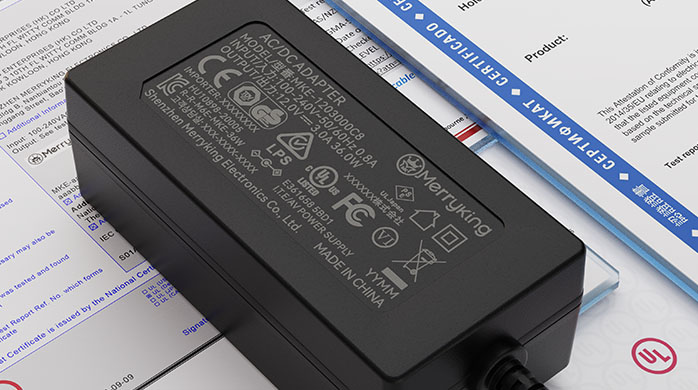
The certifications that should be planned during OEM power adapter customization include regional safety marks like UL, CE, FCC, PSE, CCC, and KC, as well as environmental compliance standards such as RoHS and REACH. Delaying these certification steps or failing to register them correctly can lead to customs delays and expensive fines. Partnering with a OEM power adapter customization manufacturer early in development ensures your products meet global compliance standards from day one. This proactive approach saves you both time and money.
You must also plan how safety approvals will be registered and shared. Working with a certified manufacturer allows you to leverage existing test reports, helping you secure regional safety approvals faster and more cost-effectively. Navigating compliance laws is essential for successfully launching your product in international markets. It is a critical component of global logistics planning.
What are the non-negotiable global safety marks?
Every major market enforces strict regulations regarding electrical safety and electromagnetic emissions. Look at this: an adapter certified for use in North America can be blocked at European borders if it lacks a CE mark or RoHS registration.
Your manufacturing partner should help you identify and secure all required regional safety marks to ensure a smooth product launch:
- North America: UL/cUL safety certification and FCC Class B compliance.
- European Union: CE marking, GS safety testing, and RoHS/REACH environmental compliance.
- Asia-Pacific: PSE for Japan, KC for South Korea, and CCC for China.
How can you transfer safety certificates?
Standard safety testing cycles can take several months and cost thousands of dollars in laboratory fees. Here is the key: a certified power adapter manufacturer can use existing CB test reports to quickly register and transfer approvals to your brand name.
This co-licensing process allows you to place your company’s model numbers on certified files without undergoing full safety re-testing:
- The CB Scheme: Using harmonized test reports to gain safety approvals in over 50 countries.
- Co-licensing: Linking the factory’s safety file to your private label brand.
- OEM label registration: Customizing safety labels with your brand’s model numbers.
Key Takeaway: Planning your certification strategy early and leveraging existing factory test reports reduces your regulatory costs and speeds up market entry.
| Region | Mandatory Certification | Key Focus | Average Sourcing Cost | |
|---|---|---|---|---|
| North America | UL 62368-1 / FCC Part 15 | Electrical safety and EMI limits | Medium (Leveraged from CB) | |
| Europe | CE / GS Mark / RoHS | Eco-design and material safety | Low (Manufacturer declaration) | |
| South America | Brazil INMETRO | Specific safety & grid tests | High (Requires dedicated testing) |
Analytical Guideline: This regulatory roadmap shows how using existing factory certificates significantly reduces your compliance expenses and shortens your time-to-market.
How Does Sample Testing Work in OEM Power Adapter Customization?
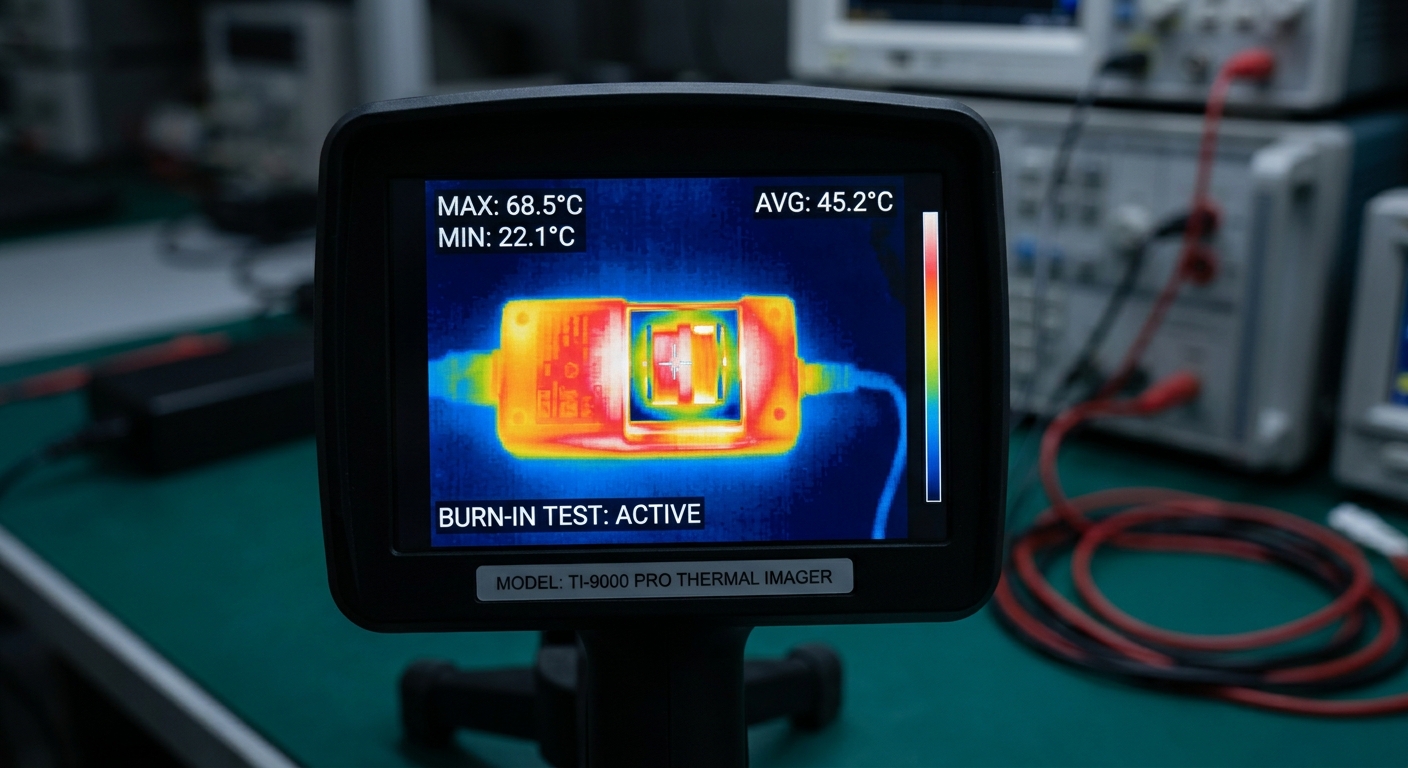
Sample testing in OEM power adapter customization works by building hand-assembled prototypes, subjecting them to comprehensive laboratory bench tests, and running accelerated lifetime simulations in environmental chambers. Skipping these physical evaluations and moving straight into mass production can lead to expensive tooling changes and high field failure rates. A thorough power adapter sample testing protocol allows engineers to identify and resolve performance issues before mass assembly starts. This rigorous testing phase is essential for guaranteeing high reliability.
Once your engineering team approves these initial samples, they serve as the “Golden Samples” that define quality standards for the production line. These approved units are used to calibrate factory testing fixtures and verify incoming component quality. Setting up a formal sample approval process protects your project from design errors and inconsistent manufacturing. It is a vital quality control checkpoint for any custom hardware project.
What are the essential electrical bench-tests?
Before checking an adapter’s durability, you must verify that its electrical performance matches your specifications. Here is the deal: testing prototypes under full load often reveals hidden issues, like extreme voltage drop or high electrical noise, that simulations can miss.
Laboratory engineers use specialized electronic loads, oscilloscopes, and power analyzers to test and verify every electrical limit of the design:
- Hi-Pot testing to verify that the high-voltage insulation operates safely.
- Efficiency logging to ensure compliance with modern Level VI energy standards.
- Overload and short-circuit testing to verify that internal safety systems trip correctly.
Why is environmental chamber testing vital?
To guarantee long-term reliability in the field, your custom power supply must be tested under extreme operating conditions. Think about it: a power adapter that works perfectly in a cool lab can fail when subjected to hot, humid, or high-vibration environments.
Running accelerated aging tests in environmental chambers helps engineers identify and correct thermal and mechanical weaknesses before mass production:
- Thermal cycling chambers to test components across rapid temperature shifts.
- Burn-in chambers to run adapters at full load in hot environments to detect early component failures.
- Drop and vibration testing to ensure the internal circuitry survives rough shipping conditions.
Key Takeaway: Requiring a comprehensive sample testing and validation process ensures your custom power supply performs safely and reliably under real-world operating conditions.
| Diagnostic Test | Primary Sourcing Target | Lab Equipment Used | Pass Criteria | |
|---|---|---|---|---|
| Dielectric Strength | Verify internal high-voltage isolation | Hi-Pot Tester | Zero breakdown at 3000V AC | |
| Burn-in Testing | Weed out infant component mortality | Heated Burn-in Room | 4 hours at 40°C under full load | |
| Thermal Imaging | Locate hotspots on the circuit board | Infrared Imager | Component temps below safety limits |
Analytical Guideline: This testing framework shows how systematic laboratory testing identifies potential failure points early, protecting your project from costly field recalls.
What Should Buyers Check Before Mass Production in OEM Power Adapter Customization?

Buyers should check quality agreements, confirm acceptable defect limits, verify production schedules, and arrange pre-shipment inspections before mass production starts in OEM power adapter customization. Skipping these quality control checkpoints can result in inconsistent production yields and batch-to-batch quality issues. Engaging with your OEM power adapter customization partner to establish clear defect criteria ensures that the final production run matches the performance of your approved samples. This clear alignment prevents quality disputes and shipping delays.
You must also verify that your supplier has secured all required component supply chains and certified materials. This includes ensuring that key components, like capacitors and chips, are sourced from authorized distributors to prevent counterfeit parts from entering production. Establishing these quality agreements and supply chain checks keeps your production on schedule and ensures high-quality results. It is the most effective way to protect your manufacturing investment.
How do you establish an AQL quality agreement?
Having a clear Quality Agreement translates subjective quality standards into clear, measurable metrics. Here is the key: elite manufacturers use Acceptable Quality Limits (AQL) to establish clear guidelines for identifying and managing defects before products ship.
This agreement defines what constitutes a critical safety defect, a major functional failure, or a minor cosmetic flaw, setting clear expectations for both parties:
- Critical Defects (0% tolerance): Severe safety hazards like insulation breakdown or short circuits.
- Major Defects (typically 1.5% limit): Functional failures like out-of-spec voltage output or bad connections.
- Minor Defects (typically 4.0% limit): Superficial cosmetic flaws like scuffs or minor scratches on the casing.
What happens during factory pre-shipment audits?
Before releasing a finished batch for shipment, third-party quality assurance inspectors must conduct a random sampling audit. Think about it: finding out that a batch has printing errors or packaging damage after it has crossed the ocean is a logistical nightmare.
Conducting random sampling checks at the factory allows you to identify and correct quality issues before products leave the warehouse:
- Executing carton drop tests to ensure products survive international transit.
- Verifying output voltage and current stability on random production units.
- Confirming that laser markings, compliance logos, and serial numbers are correct.
Key Takeaway: Establishing a formal quality agreement and conducting pre-shipment inspections protects your supply chain from defective shipments and ensures consistent product quality.
| Inspection Type | Key Audit Targets | Sampling Method | Corrective Settle Action | |
|---|---|---|---|---|
| Function Audit | Voltage accuracy and current limit tests | Random sampling (AQL 1.5) | Defective units replaced; batch re-sampled | |
| Safety Audit | Hi-Pot insulation and ground continuity | Zero tolerance (AQL 0%) | Entire batch rejected; immediate factory rework | |
| Cosmetic Audit | Casing finish, logo print, box label accuracy | Random sampling (AQL 4.0) | Accepted with warnings; process adjusted |
Analytical Guideline: This inspection framework shows how clear quality agreements and pre-shipment audits protect your brand from receiving defective or out-of-specification products.
How Can a Reliable Factory Support OEM Power Adapter Customization?
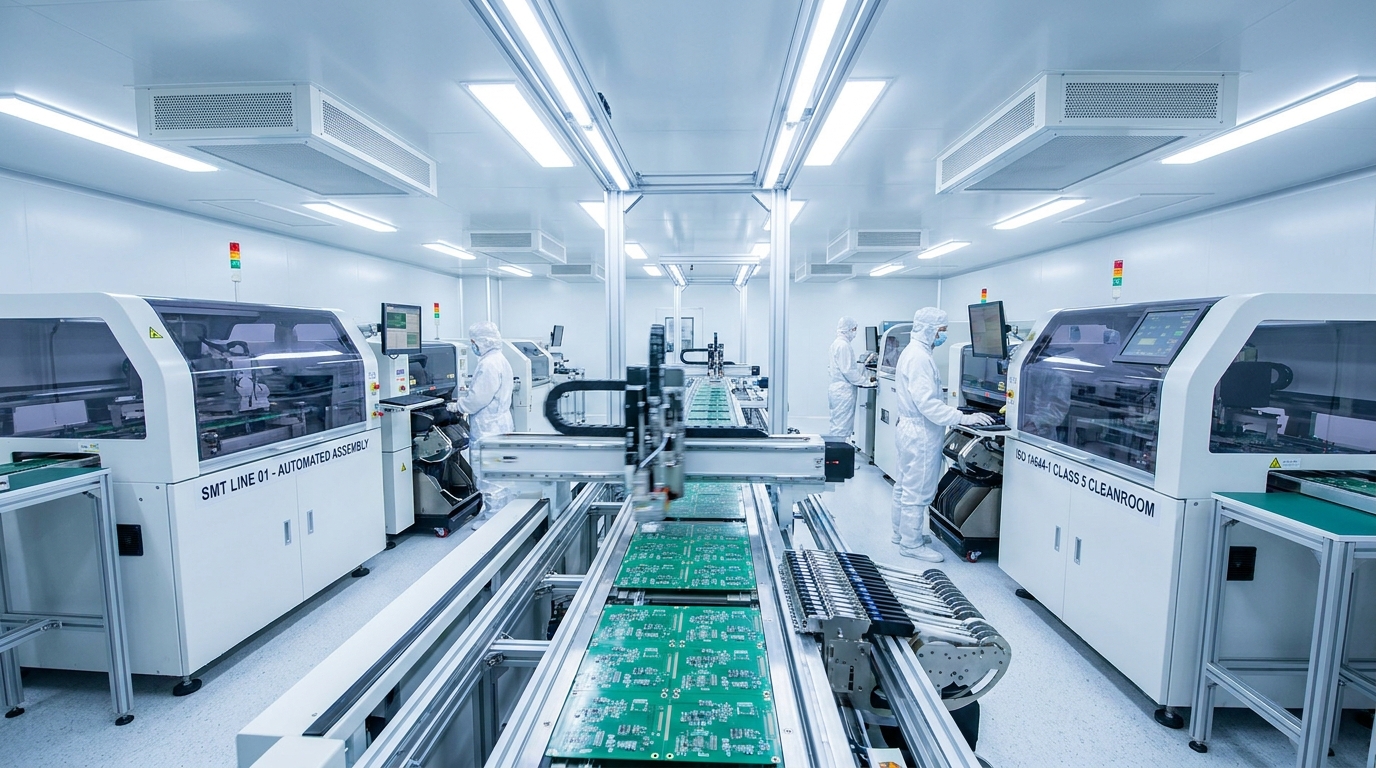
A reliable factory can support OEM power adapter customization by offering expert R&D engineering, maintaining strict ISO-certified quality management systems, and securing stable component supply chains. Working with uncertified suppliers or trading brokers often leads to communication gaps, hidden certification costs, and unexpected production delays. Partnering with a professional OEM power adapter manufacturer ensures that your custom power supply project scales smoothly from early prototypes to high-volume production. This direct partnership protects your designs and secures your supply chain.
True manufacturers also offer full traceability, tracking components from raw silicon to the finished assembly. This transparency allows you to audit materials easily and ensures long-term reliability in the field. Choosing an experienced factory partner provides the engineering support and production capacity required to scale your product lines. It is the best way to secure your product’s lifecycle.
What credentials identify a true manufacturer?
The global market is filled with trading brokers who resell outsourced power supplies, making it difficult to trace component origins. Here is the key: auditing your supplier’s certifications helps you identify a true, qualified manufacturer with in-house engineering and production.
True factories maintain globally recognized quality and environmental systems to ensure consistent assembly quality across every production run:
- ISO 9001 Integration: Verifies that the factory operates a verified quality management system.
- In-House Laboratories: Features on-site testing equipment for early-stage EMI and safety testing.
- ISO 14001 Certification: Verifies that the factory operates in an environmentally responsible manner.
How does a factory secure your component supply chain?
A premium manufacturing partner maintains strong relationships with top-tier component vendors to protect your production schedule from supply chain disruptions. Think about it: a shortage of a single IC or capacitor can stall your entire assembly line, delaying your product launch.
Certified suppliers manage lifecycles and buffer key components to ensure your project stays on schedule:
- Sourcing key semiconductors and capacitors from authorized distributors.
- Buffering long-lead-time components to support rapid production ramp-ups.
- Providing advance notice on component lifecycles to manage transitions smoothly.
Key Takeaway: Partnering with a direct, ISO-certified manufacturer gives you the engineering expertise, quality control, and supply chain stability required to scale your product lines.
| Supplier Criteria | Standard Trading Broker | Direct OEM/ODM Factory | Strategic Advantage | |
|---|---|---|---|---|
| Engineering Access | Indirect, slow communications | Direct collaboration with R&D teams | Faster design cycles and efficient troubleshooting | |
| Component Sourcing | Multi-tier, unverified vendors | Direct sourcing from authorized channels | High component reliability; zero counterfeit risk | |
| Tooling Control | Split or unclear rights | Contract-backed ownership | Protects custom designs and proprietary tech |
Analytical Guideline: This analysis shows how working with a direct, vertically integrated factory protects your intellectual property and secures your production pipeline.
Navigating the custom power adapter landscape requires deep engineering collaboration, rigorous validation, and unwavering compliance planning. As devices grow smarter and power requirements become more complex, your chosen power adapter partner must act as a seamless extension of your engineering team. At Merryking Power, we believe that an adapter is not merely an accessory, but the literal lifeblood of your technology. By aligning your hardware development with a partner dedicated to precision engineering, you guarantee safety, elevate brand equity, and ensure an uncompromised user experience. Ready to transform your product design into a fully certified, high-performance power supply? We invite you to contact us today to schedule a direct engineering consultation with our technical team.
Frequently Asked Questions
Can I customize the casing colors and add my own company logo?
Yes, you can easily customize both housing colors and logos. Most factories use high-precision pad printing or clean laser etching to apply your branding directly onto the housing. For custom casing colors, color-matching pigment pellets can be blended into the injection molding machine, though this might require a larger minimum order quantity to cover the cost of setting up the tooling lines.
What’s the best way to handle global safety certifications?
The best way is to utilize existing CB Scheme test reports from a certified manufacturer. This co-licensing or multiple-listing approach allows you to transfer existing safety certifications directly to your brand’s model numbers without the expense and delay of undergoing a full testing cycle at an independent laboratory.
How do I know if my custom device needs Level VI efficiency?
Yes, your device absolutely requires Level VI efficiency if you plan to sell it in North America or Europe. Modern environmental regulations like the US Department of Energy (DoE) standards and European ErP Tier 2 mandates require external power supplies to meet strict active efficiency and standby no-load energy targets to reduce power grid waste.
Can I start with a small pilot order before committing to volume mass production?
Yes, you can start with a smaller pilot run. Most certified factories understand the need to validate new hardware assemblies and will support initial production batches of 500 to 1,000 units to help your team complete system assembly testing before scaling to full volume.
How do I know if a custom cable length will cause power drop issues?
Yes, it is highly likely to cause voltage drops if you use thin wire gauges. Copper wire has natural resistance, and extending the cord length decreases the voltage delivered to your device. Working with your engineering team, the factory can select thicker wire gauges or adjust the internal transformer to output a slightly higher voltage to compensate.